10 Animal Hybrids That Look Like Nature Broke the Rules
Nature can produce combinations that seem almost impossible, especially when two closely related species manage to reproduce. These offspring are known as hybrids, and they can inherit physical traits, behaviors, and characteristics from both parents.
Some hybrid animals appear naturally when related species share the same habitat, while others exist because humans intentionally brought different animals together. In either case, the results can be surprisingly unusual.
From giant cats and striped horse relatives to mysterious marine creatures, these hybrids demonstrate just how unusual reproduction between different species can become. Here are 10 fascinating hybrid animals that you may not have heard of.
1. Zebroid
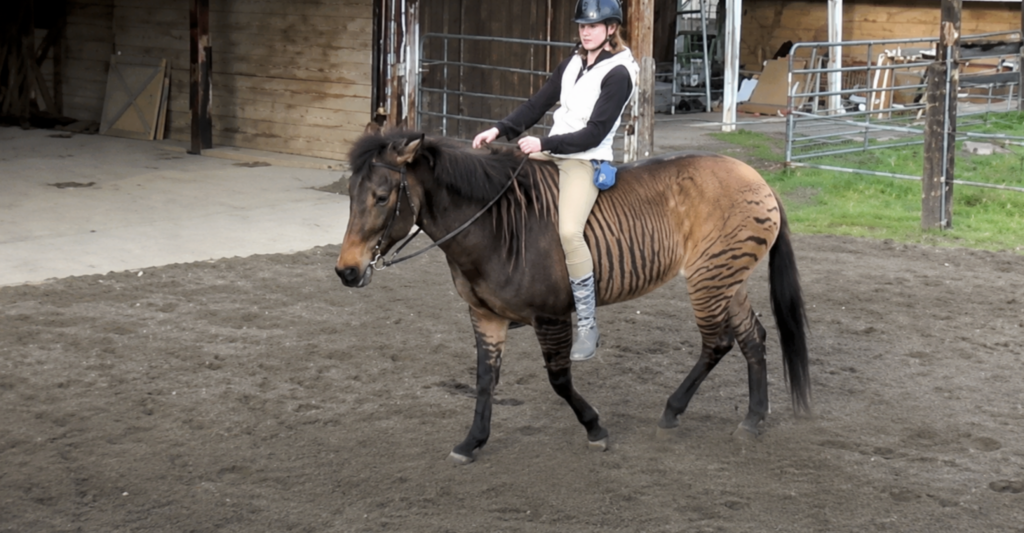
A zebroid is produced when a zebra mates with another animal belonging to the horse family. Depending on which species are involved, these unusual hybrids can receive names such as zorse, zonkey, zony, zebmule, or zetland.
Most zebroids have the general build of a horse or donkey, but their appearance can include distinctive zebra stripes. The markings may cover only certain areas of the body, making every individual look somewhat different. Breeders have produced them in an attempt to combine the characteristics of zebras with those of domesticated equines.
2. Geep
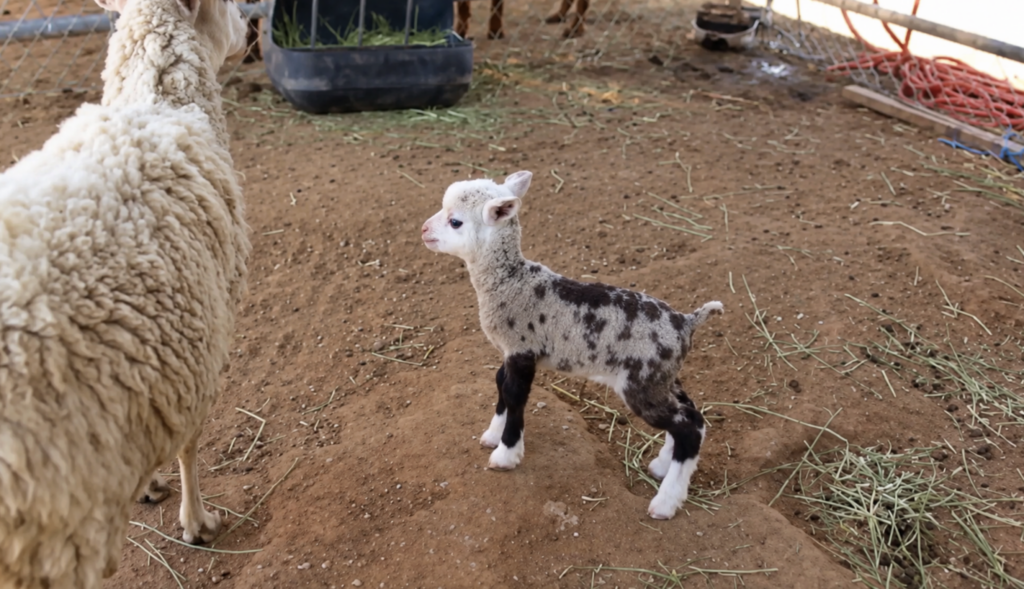
A geep looks like an animal that could have been created by combining two familiar farm species. In reality, it is the extremely unusual result of a goat and sheep reproducing.
Successful goat and sheep hybrids are rare because the two animals have different chromosome numbers, which makes reproduction difficult. When a hybrid does occur, it can show characteristics from both parents. Some have goat like facial features and body structures combined with the thick, woolly appearance associated with sheep.
3. Wolfdog
Combining a domestic dog with a gray wolf produces a wolfdog, a hybrid whose appearance and behavior can vary enormously from one animal to another.
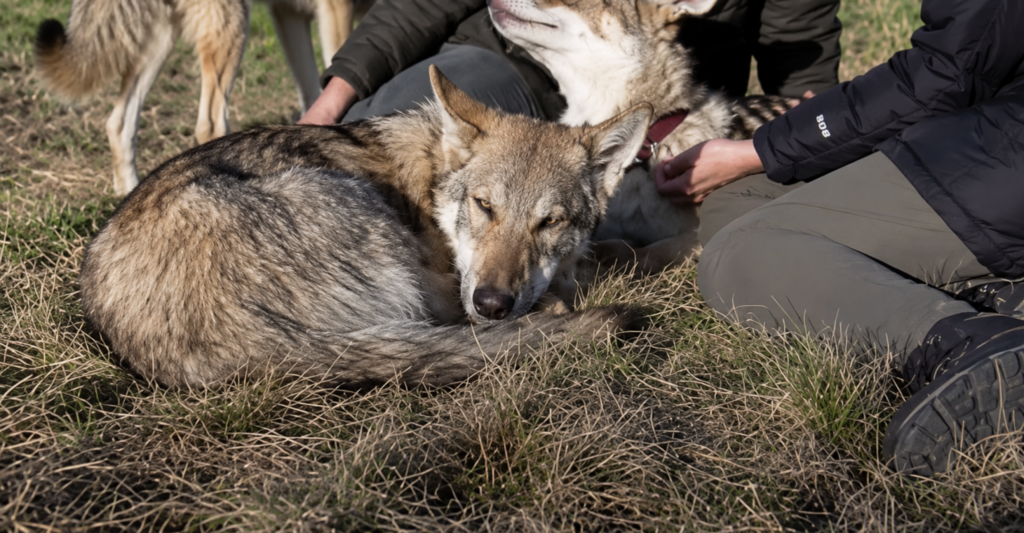
There is no single look or personality that defines every wolfdog. Even animals from the same litter can develop very different traits as they mature. Some may behave similarly to dogs, while others retain stronger instincts associated with wolves. Those wild characteristics can make them difficult animals for inexperienced owners to manage.
4. Cama
The cama is an unusual hybrid created by humans rather than through ordinary encounters in the wild.
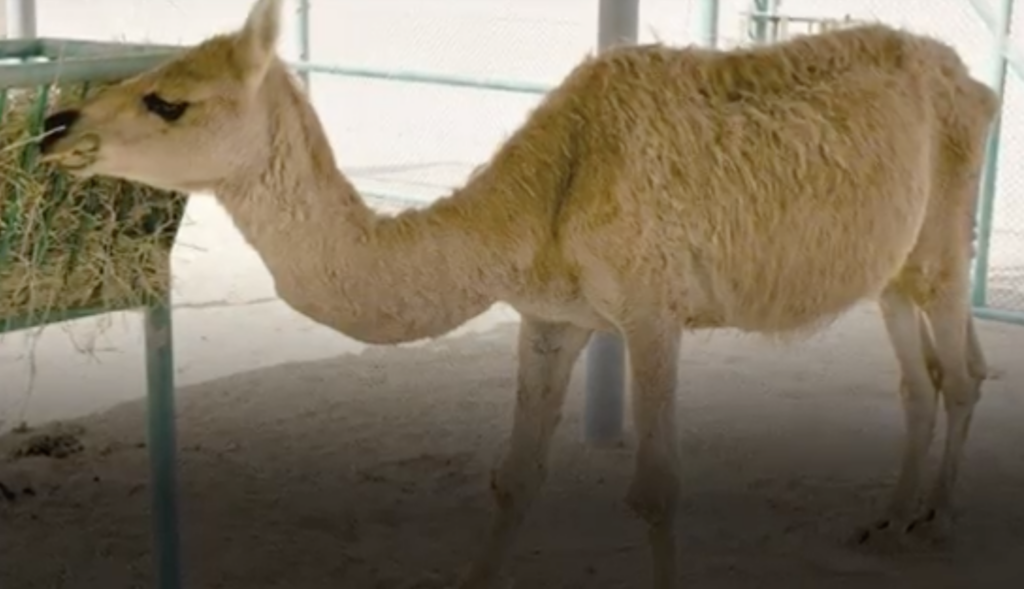
Scientists produced the animal using artificial insemination, combining a male camel with a female llama. The experiment was intended to create an animal that could potentially possess the calmer nature and manageable size of a llama while also displaying some of the strength associated with camels.
Only a limited number of camas have ever been produced, but their existence demonstrated that these two distant members of the camel family could produce viable offspring under controlled conditions.
5. Jaglion
Among the rarest big cat hybrids are jaglions, which have also been called jaguons. They result from a male jaguar breeding with a female lion.
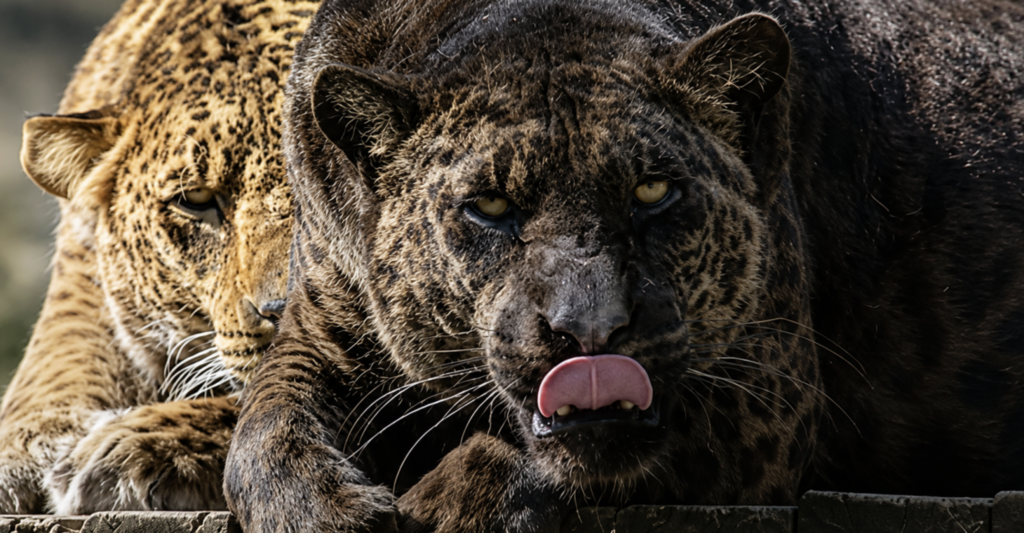
Only a very small number have been documented, making these animals exceptionally unusual. Two well known jaglions were kept at Bear Creek Exotic Wildlife Sanctuary. Their appearance combines traits associated with both parents, producing a big cat with a pattern and body shape unlike either a typical lion or jaguar.
6. Savannah Cat
The Savannah cat comes from crossing a domestic cat with a serval, a wild feline native to Africa.
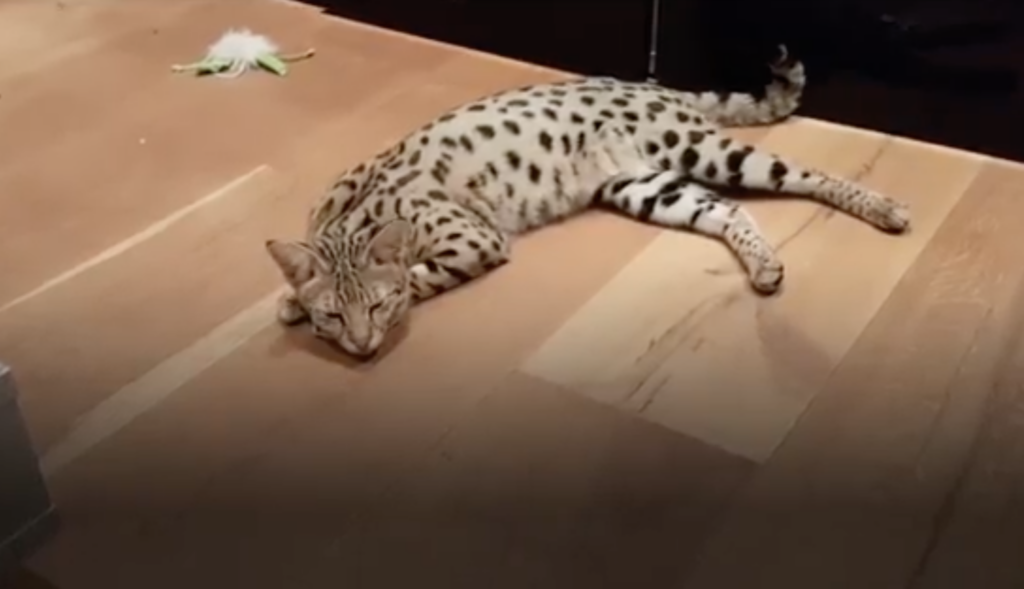
These cats are known for their remarkable height, long legs, large ears, and spotted coats. They can also be extremely energetic and playful. Because of their active behavior and tendency to interact with people, Savannah cats are sometimes described as having personalities that resemble dogs more than traditional house cats.
7. Narluga
The narluga is one of the strangest known marine hybrids. It is produced when a narwhal and a beluga whale reproduce.
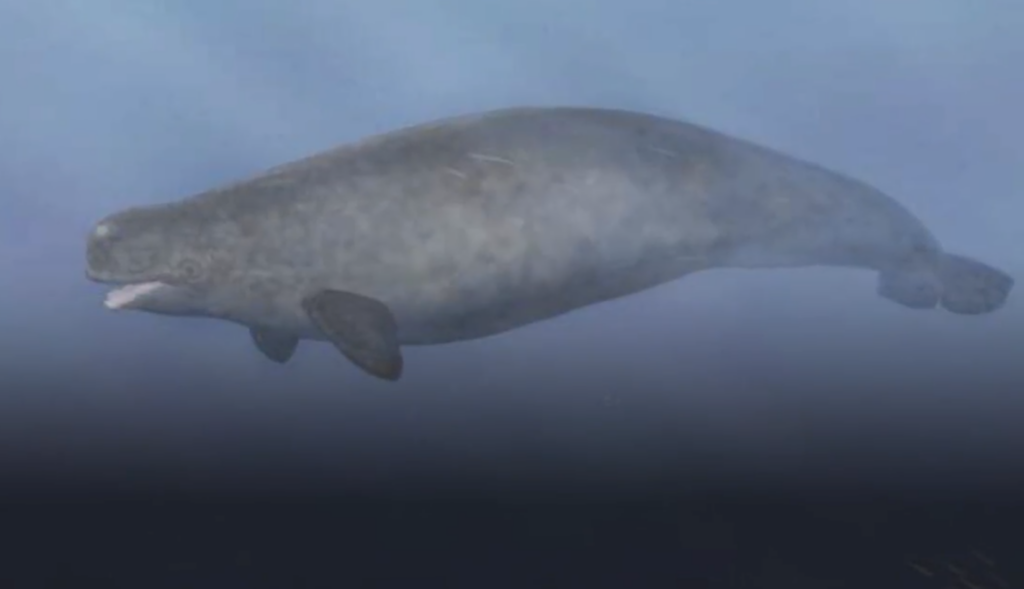
For years, scientists had no clear evidence that the two Arctic species could interbreed. That changed when researchers examined a peculiar skull discovered in the Arctic. Its combination of characteristics from both animals provided strong evidence that it belonged to a hybrid.
The discovery revealed that narwhals and belugas, despite their dramatically different appearances, are genetically compatible enough to produce offspring.
8. Grolar Bear
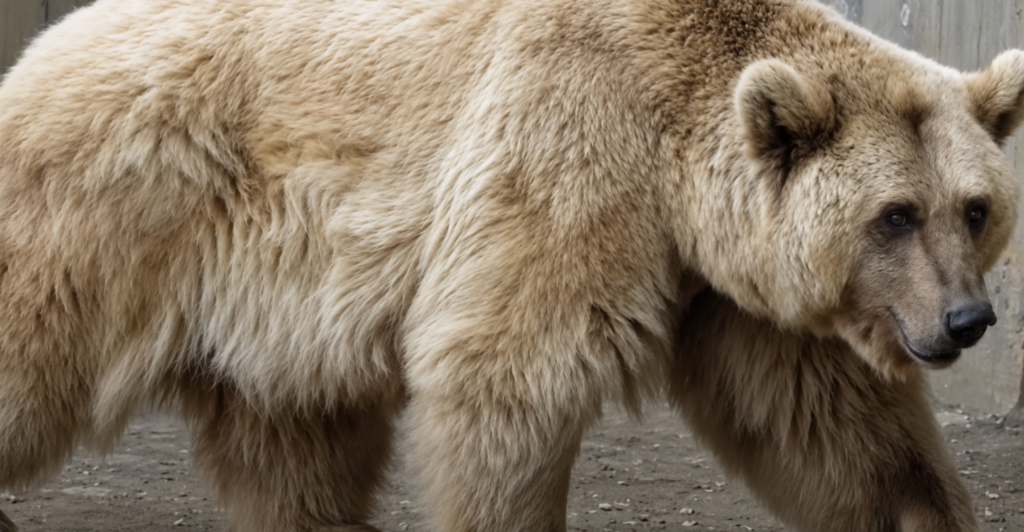
The grolar bear, also known as a pizzly, is born from a polar bear and a grizzly bear. These two bear species are closely related, allowing them to produce hybrid offspring.
Grolar bears can display a mixture of characteristics from both parents. Their fur may range from creamy white to brown, sometimes showing a combination of both colors. Their behavior can also reflect traits associated with polar bears and grizzlies, giving them characteristics suited to a changing environment.
9. Wholphin
The unusual name wholphin belongs to a genuine marine hybrid created from a bottlenose dolphin and a false killer whale. Despite its name, the false killer whale is actually a large member of the dolphin family.
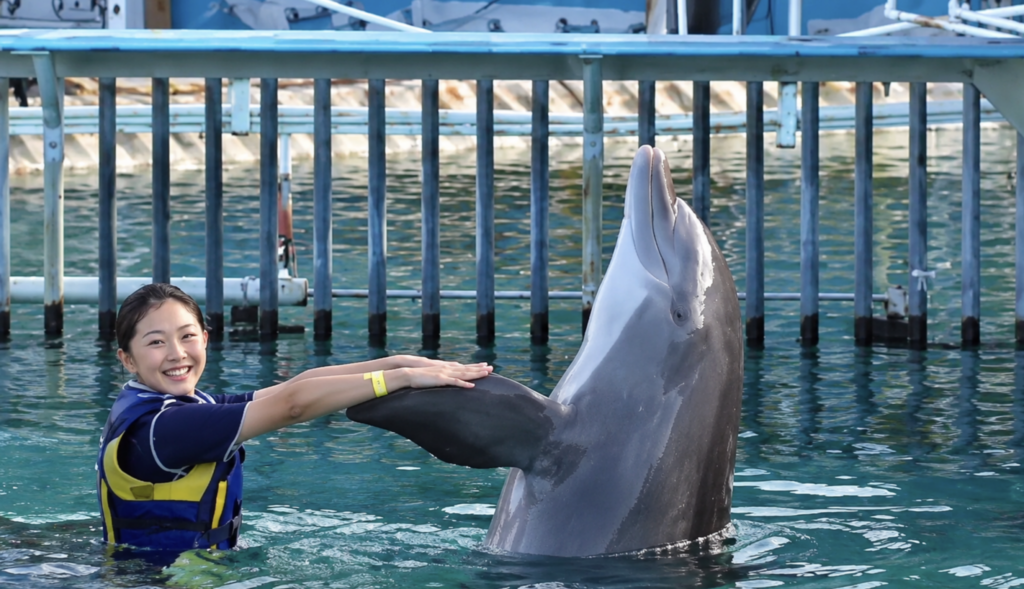
Wholphins are exceptionally uncommon, with only a small number ever documented. Some of the best known examples were kept at Sea Life Park in Hawaii, where researchers and visitors were able to observe these rare animals.
Their existence provides another example of how closely related marine mammals can sometimes produce offspring that look unlike either parent.
10. Liger
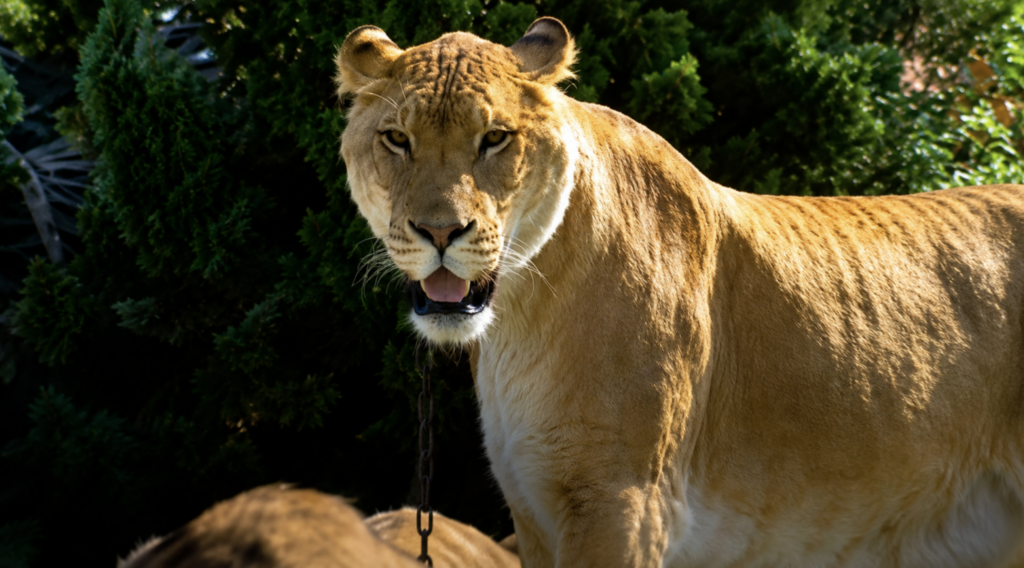
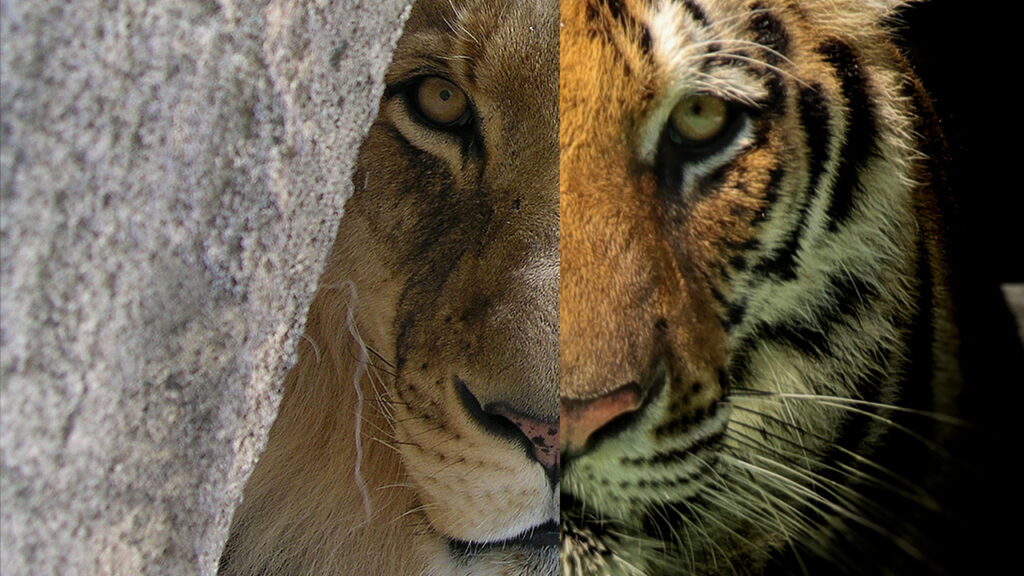
Few hybrid animals are as famous as the liger, which is created by breeding a male lion with a female tiger.
One of the most remarkable features of a liger is its enormous size. Some individuals can approach 2,000 pounds, or about 900 kilograms, and may reach roughly 5 feet, or 1.5 meters, at the shoulder.
Their extraordinary growth is linked to the way growth related genes from lions and tigers interact. The result is an animal that can become considerably larger than either parent, making ligers some of the largest cats ever recorded.