Imagine being convicted of murder or rape and then being sent to an island where you could spend your days farming, swimming, playing tennis, or walking along the beach. It sounds more like a strange resort than a prison, but this place actually exists.
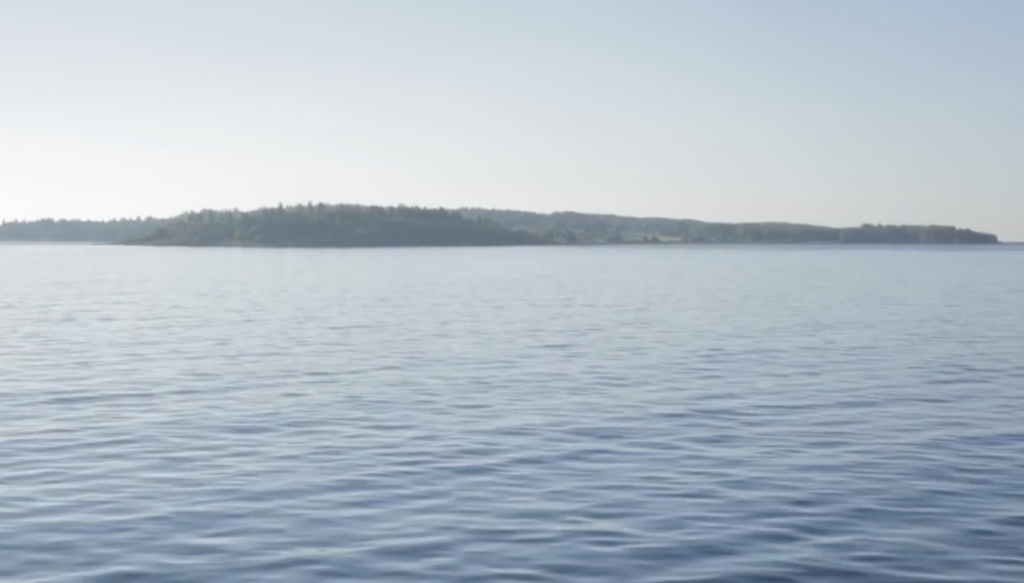
Bastøy Prison sits on an island in Norway, about 75 kilometers from Oslo. Unlike the intimidating prisons most people picture, Bastøy has a very different approach to incarceration, with rehabilitation and preparing prisoners for life after release at the center of daily life.
The island is home to inmates convicted of serious crimes, including murder and rape. Yet instead of spending every hour behind concrete walls and locked doors, prisoners live in small houses across the island and take part in ordinary activities that are designed to teach them responsibility.
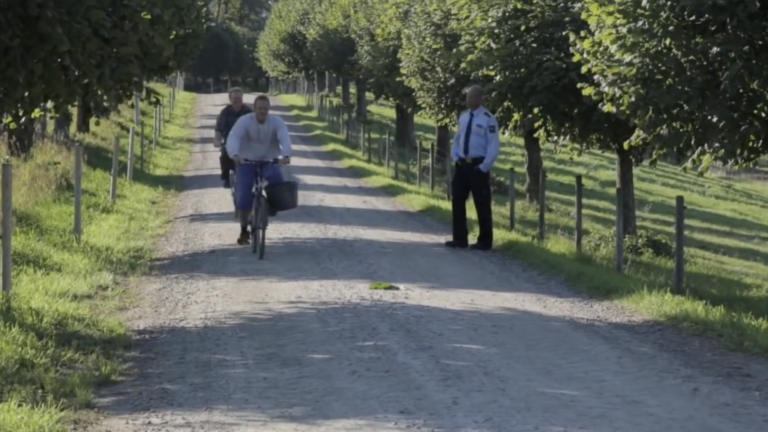
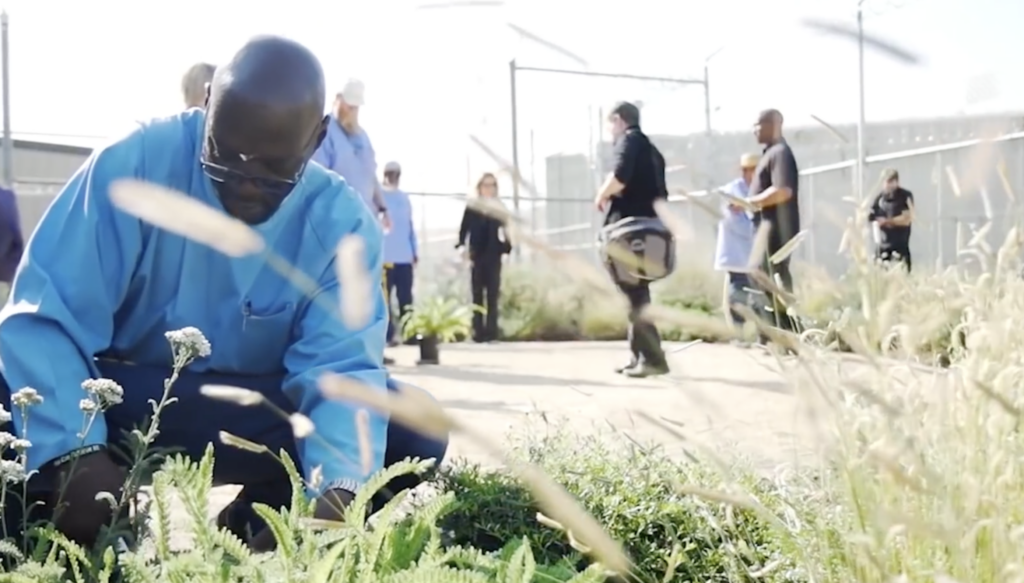
Bastøy operates as a low security prison, which means inmates have considerably more freedom than prisoners in traditional facilities. They can work on the island, grow food, care for animals, and take part in activities that resemble normal life outside prison.
The island even has a farm, and prisoners help produce some of the food they eat. They can also spend their free time swimming, playing tennis, or enjoying the natural surroundings. Solar panels are used to provide energy, while the prison places an emphasis on environmentally friendly practices.
That might sound extremely relaxed for a prison, especially when some of the people living there have committed violent crimes. But the idea behind Bastøy is not to reward prisoners for what they have done. The goal is to prepare them to function responsibly once they are released.
Instead of focusing entirely on punishment, the prison tries to give inmates skills and routines that they can carry into their lives after incarceration. Working, cooking, taking care of their surroundings, and cooperating with other people all become part of their rehabilitation.
There is also a major psychological difference between Bastøy and a conventional prison. Inmates are given more responsibility for their own behavior, which means they have to learn how to make decisions without constant supervision.
That freedom comes with rules. Prisoners are still serving sentences and are expected to follow the conditions of the facility. Breaking those rules can have serious consequences, including being transferred back to a more restrictive prison.
The unusual system has attracted attention because of its focus on reducing the chances that inmates will return to crime. Rather than keeping prisoners isolated from ordinary society for years, Bastøy attempts to create an environment where they can gradually learn how to live within it again.
The island itself also plays an important role. Being surrounded by water creates a natural boundary, while the peaceful environment provides a sharp contrast to the violence and instability that may have been part of an inmate’s life before prison.
Bastøy does not pretend that serious crimes did not happen. Murderers and rapists are among the people who have served time there. What makes the prison so unusual is that their sentences can involve farming, swimming, tennis, and life in a small island community.
It raises a difficult question about what prison is supposed to accomplish. Should incarceration primarily punish people for what they have done, or should it focus on making sure they do not commit another crime when they eventually walk free?
At Bastøy, Norway has chosen an approach that looks surprisingly little like traditional prison life. And for the people who eventually leave the island, the hope is that learning how to live responsibly may matter more than simply learning how to serve a sentence.