Danger does not always announce itself. In many parts of the world, an ordinary trip through a city can become dangerous simply because someone happens to be in the wrong neighborhood at the wrong moment.
Some urban areas face problems that go far beyond the usual concerns of theft or street crime. Powerful gangs, drug trafficking networks, corruption, poverty, and political instability can create environments where violence is difficult to predict.
In certain cities, criminal organizations compete for territory while residents are forced to live alongside the consequences. Here are several cities where getting lost in the wrong area could put you in a dangerous situation.
Tijuana, Mexico
Situated directly beside the United States border, Tijuana is one of Mexico’s busiest and most internationally connected cities. More than 2 million people live in the metropolitan area, while huge numbers of travelers pass through every year.
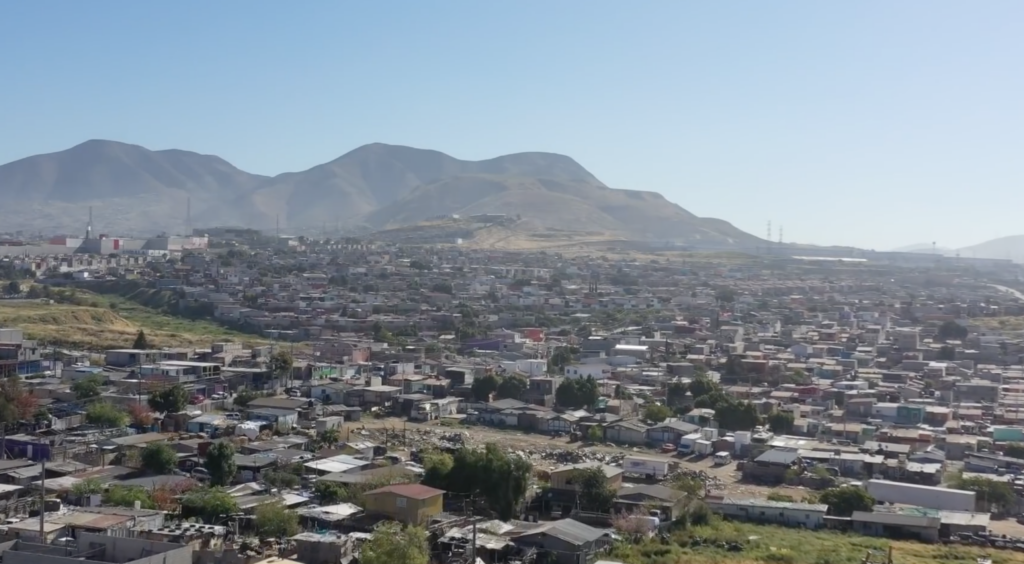
Tijuana has plenty to attract visitors, including beaches, restaurants, nightlife, and a distinctive local culture. The city is also famous for being associated with the creation of the Caesar salad.
Yet beyond the tourist districts lies a much more serious problem. Tijuana has become an important battleground for criminal organizations competing over valuable smuggling routes.
Conflicts between rival groups have contributed to high levels of violence, while residents can sometimes find themselves caught in disputes they have nothing to do with. Kidnapping, extortion, and human trafficking are additional concerns.
The city recorded thousands of murders between 2019 and 2023, placing it among the world’s most violent urban areas during that period. Visitors are generally encouraged to stay in populated areas, avoid unfamiliar neighborhoods, and remain aware of their surroundings.
Cape Town, South Africa
Cape Town is internationally recognized for its spectacular scenery. Table Mountain, beautiful beaches, and nearby natural attractions bring millions of tourists to the city each year.
However, the experience can be very different outside the main tourist areas. Several communities have dealt with serious gang problems for decades, particularly in parts of the Cape Flats.

Criminal groups often compete over territory, drugs, and local influence. Their conflicts can expose ordinary residents to shootings and other forms of violence.
Visitors can also face risks involving robbery, carjacking, and other violent crimes. Long standing poverty and limited economic opportunities in some communities have contributed to conditions in which organized criminal groups can become deeply established.
Tourists are commonly advised to avoid isolated locations, keep valuable possessions out of sight, and exercise particular caution when entering unfamiliar parts of the city.
Port au Prince, Haiti
Haiti’s capital has endured years of political turmoil, economic hardship, natural disasters, and growing criminal influence. In recent years, powerful gangs have expanded their control across significant parts of the city.
More than 100 armed groups have been reported as operating in Haiti, with some controlling neighborhoods and important routes around the capital. Government authorities have struggled to restore consistent security in many areas.
Kidnappings, extortion, shootings, and clashes between rival groups have become major concerns for residents. For many young people facing severe economic hardship and few opportunities, gangs can appear to offer one of the only available ways to earn money or gain protection.
The worsening security situation has led several governments to issue strong travel warnings for Haiti. For outsiders, navigating the capital without reliable local knowledge can carry significant risks.
Caracas, Venezuela
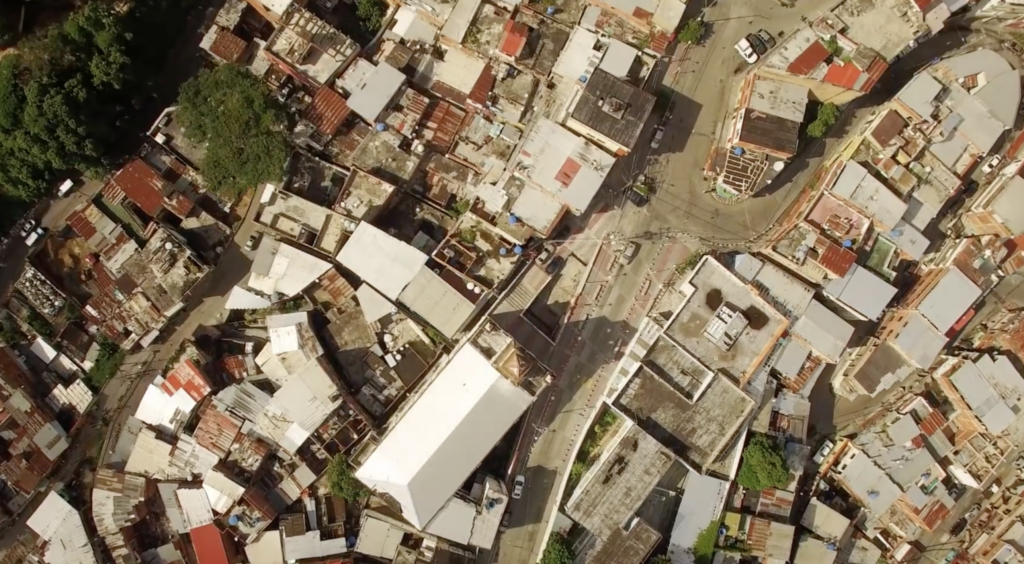
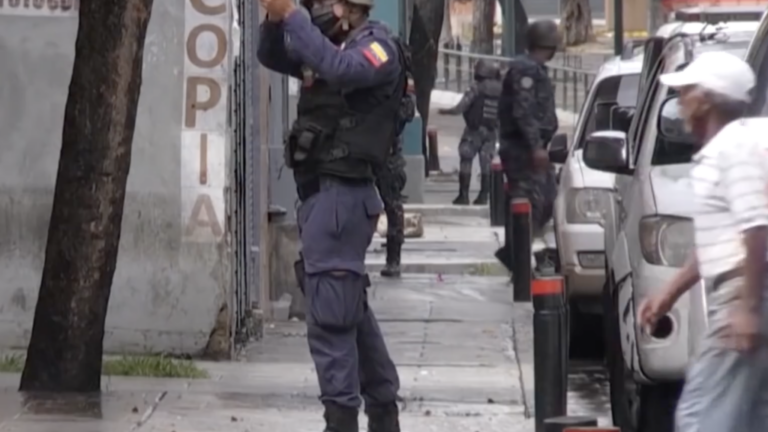
Surrounded by dramatic mountains, Caracas is the largest city and capital of Venezuela. Millions of people live there, but the city has spent years dealing with serious problems involving violent crime and organized criminal activity.
For a long period, armed groups and criminals operated in some areas with limited interference from authorities. Corruption, economic difficulties, and weak security institutions added to the challenges facing residents.
Crime levels have changed considerably compared with some of the worst periods in the city’s recent history, including a decline in homicide rates. Nevertheless, certain neighborhoods remain dangerous, particularly where criminal groups maintain control or influence.
People visiting Caracas are generally advised to research their destinations beforehand, avoid high risk neighborhoods, travel carefully, and remain alert rather than wandering into unfamiliar areas.
Ciudad Juarez, Mexico
Ciudad Juarez sits directly across the border from El Paso, Texas, making it an important center for manufacturing, trade, and international transportation.

Its strategic location has also made the city extremely valuable to criminal organizations. Drug trafficking groups have competed for control of routes leading toward the United States, producing periods of extraordinary violence.
During the worst years of cartel warfare, Ciudad Juarez became internationally known for its exceptionally high murder rate and widespread criminal violence. The situation has improved from those extreme levels, but organized crime and conflicts between criminal groups have not disappeared.
For anyone unfamiliar with the city, understanding which areas are safe to visit is essential. Staying in established areas, avoiding isolated locations, and following current local security advice can help reduce exposure to potential danger.