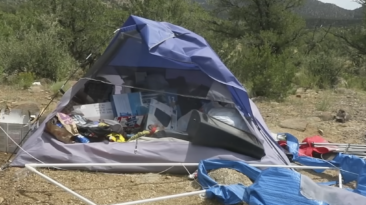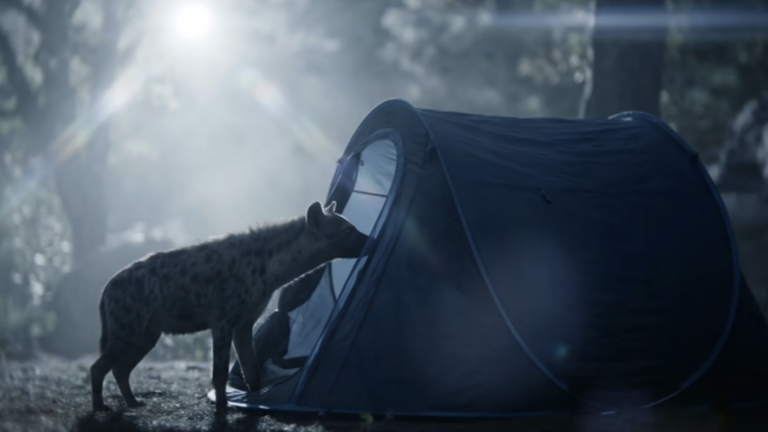
The African night can become dangerous without much warning. A quiet campsite may seem completely safe, but the smell of food, discarded scraps, or even the sound of movement can attract animals from far beyond the reach of a campfire.
Hyenas are especially well adapted to nighttime activity. They can travel long distances while searching for food, and their remarkable hearing and sense of smell allow them to locate potential meals even when people cannot see them.
The spotted hyena is the largest and most well known species. Despite their reputation as scavengers, these animals are skilled predators capable of hunting large prey themselves. Their powerful bodies, strong jaws, and highly social behavior make them formidable animals in the wild.
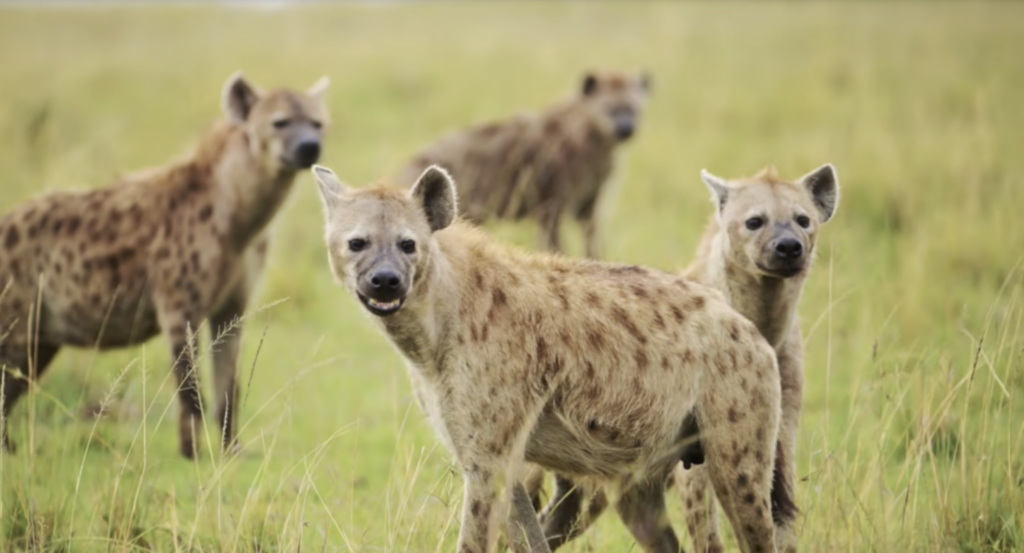
An adult spotted hyena can weigh roughly 60 to 80 kilograms and reach speeds close to 60 kilometers per hour over short distances. Their jaws are particularly impressive, producing enough force to break through bones that many other predators leave behind.
Their social structure makes them even more effective. Hyenas live in clans, and some groups can contain dozens of animals. When several individuals move together, they can surround prey, compete aggressively, and overwhelm animals much larger than a single hyena.
For humans, nighttime is often when the greatest precautions are needed. Darkness makes it harder to notice an approaching animal, while food odors can travel through the surrounding environment.
A campsite that has been poorly maintained can become an unexpected attraction. Leftover meat, cooking waste, dirty dishes, and unsecured food can encourage wildlife to investigate. Once animals begin associating campsites with food, they may become increasingly bold around people.
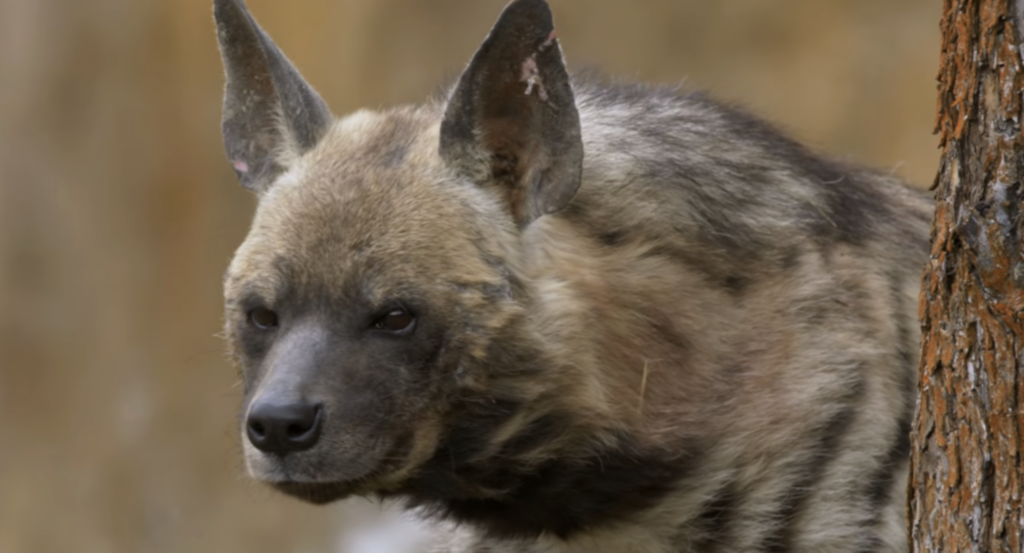
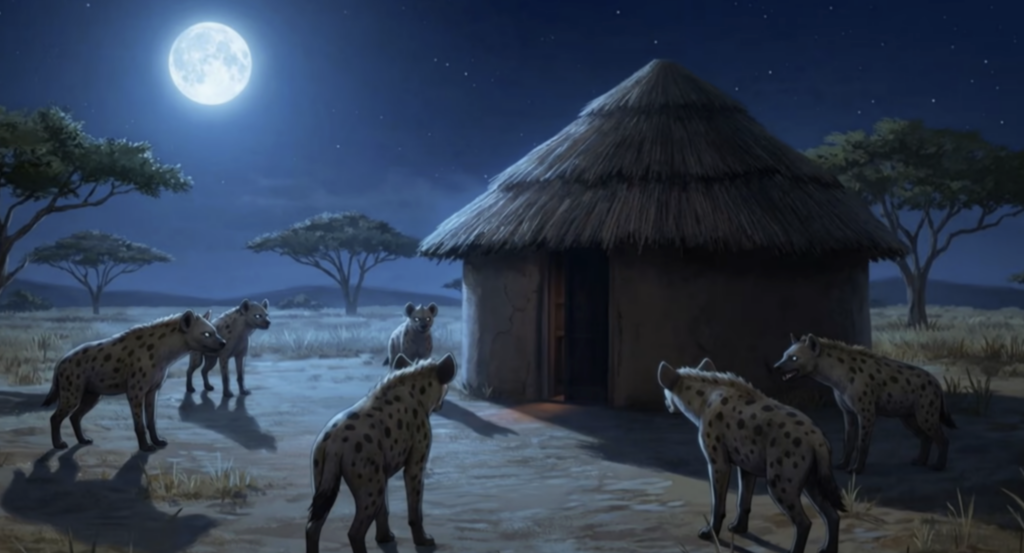
Hyena attacks on humans are uncommon, but documented incidents have occurred. In some cases, hyenas have entered settlements or approached sleeping areas while searching for food. People sleeping outdoors or in poorly protected shelters may be particularly vulnerable.
The most important defense is preventing the encounter in the first place. Food should be stored securely and kept away from sleeping areas. Waste needs to be disposed of properly, and tents should remain closed rather than leaving openings that allow animals to enter.
Campers should also avoid leaving food scraps around the site. Even a small amount of meat or other strongly scented food can attract wildlife during the night.
If a hyena approaches, running away may be a poor choice. A person who suddenly turns and flees can potentially trigger pursuit, while giving the animal more confidence to follow.
Instead, maintain awareness of the animal and try to appear larger. Loud, assertive behavior may discourage a curious hyena from coming closer, particularly if it has not yet committed to an attack.
However, there is no guaranteed technique for dealing with a determined wild animal. Hyenas are powerful, intelligent, and unpredictable, and attempting to approach or corner one can make the situation considerably more dangerous.
If several hyenas are nearby, the risk becomes even greater. A group can create multiple directions of threat, making it difficult to monitor every animal at once. The safest response is to move toward a secure structure or vehicle whenever possible.
People living or traveling in areas where hyenas are common should also learn about local wildlife behavior. Rangers, guides, and local authorities can provide information about recent sightings, safe camping practices, and areas where encounters are more likely.
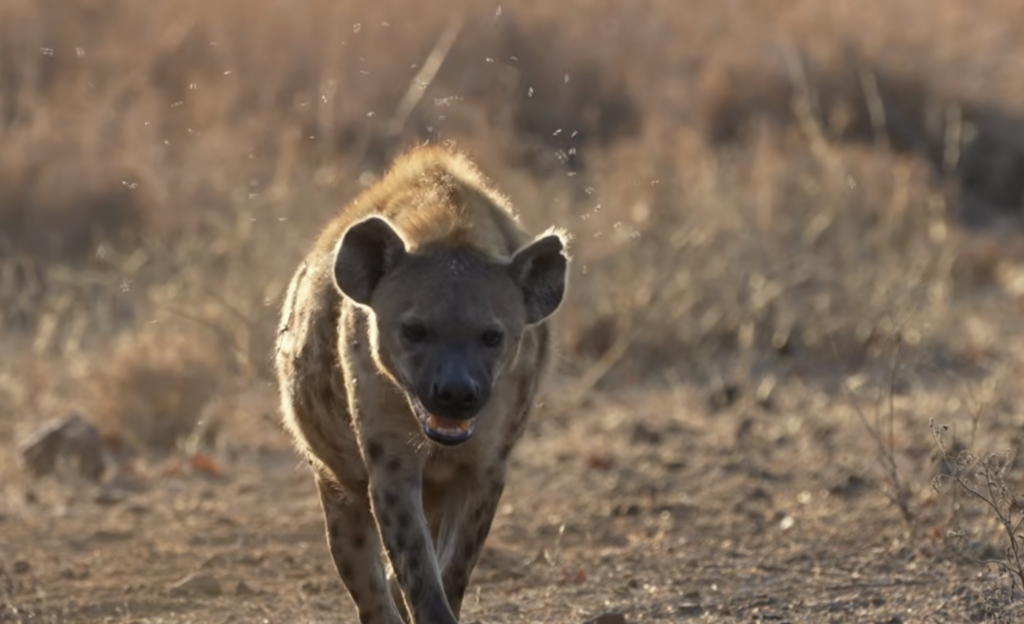
Hyenas are not monsters waiting for humans to enter their territory. They are wild predators searching for food and trying to survive. Most encounters never become attacks, but careless behavior can create opportunities for animals to approach.
The real danger often begins before the hyena appears. An unsecured campsite, exposed food, or false sense of security can bring a powerful predator far closer than expected.
In hyena territory, preparation matters most after sunset. Secure the food, control the waste, keep your shelter closed, and never assume that a quiet night means nothing is nearby.