At first glance, a sloth hardly looks like an animal you should be afraid of. It moves slowly, spends most of its life hanging from tree branches, and often appears to have a permanent smile on its face. But beneath that harmless appearance is an animal equipped with surprisingly large weapons.
Sloths are found throughout the tropical rainforests of Central and South America. Depending on the species, they can grow to around 60 centimeters long. Their bodies are built for life in the trees, where they spend much of their time hanging upside down from branches.
Then there are their claws.
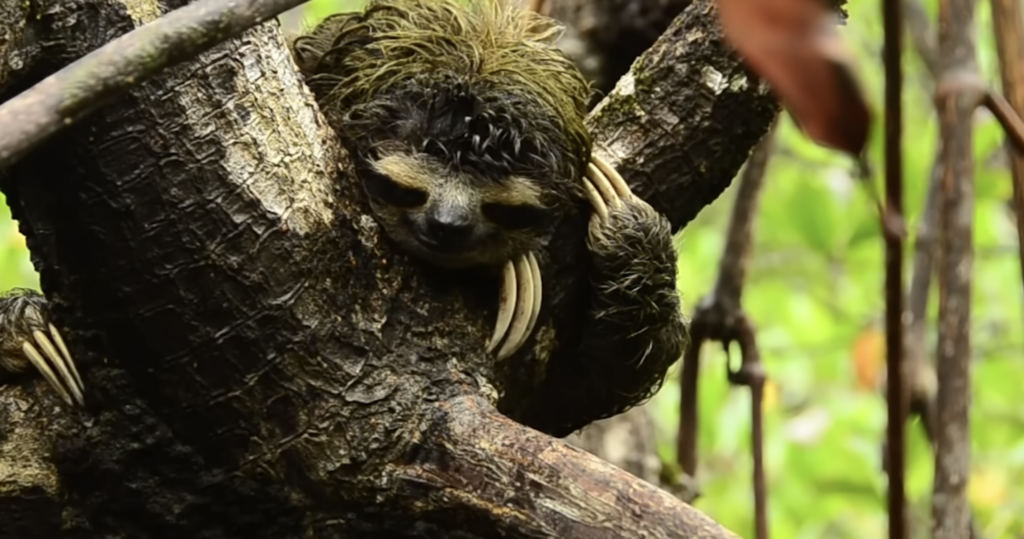
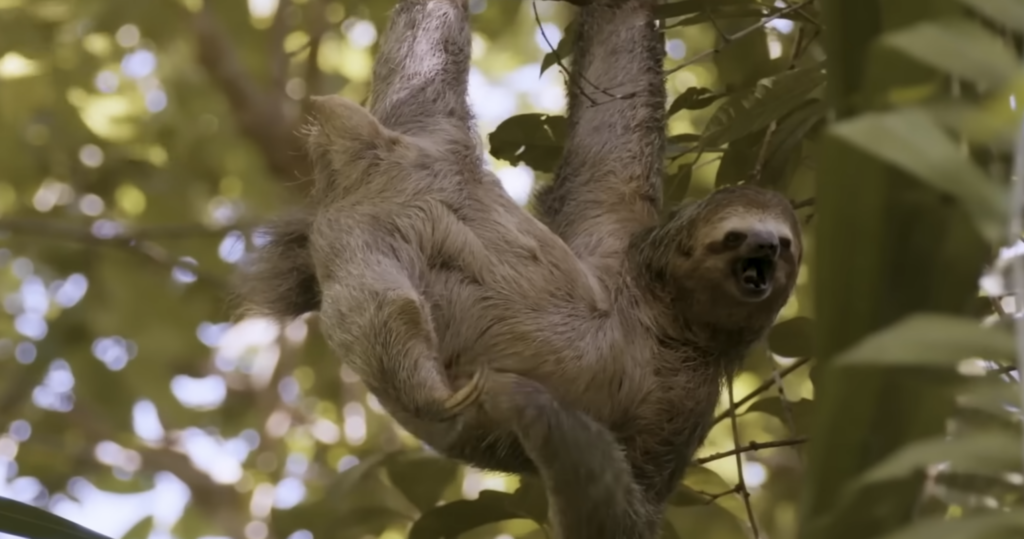
A sloth can have curved claws reaching around 10 centimeters in length. These claws are essential for gripping branches and keeping the animal securely suspended above the forest floor. They may look harmless when the animal is resting, but they can become dangerous when a sloth feels threatened.
The sloth’s reputation for being slow can also be misleading.
Their famously sluggish movements are mainly associated with how they conserve energy. Sloths have an extremely low metabolic rate, and their lifestyle is designed around using as little energy as possible. They move slowly because there is usually no reason for them to waste precious energy.
But that does not mean they are incapable of reacting when they feel threatened.
A frightened sloth can use its claws and teeth to defend itself. It can grab onto an attacker and deliver powerful scratches or bites. Its long claws are particularly useful because they allow the animal to hold onto something firmly while using its limbs to defend itself.
That makes getting too close a bad idea.
Sloths normally prefer to remain in the safety of the trees, where their camouflage helps them blend into their surroundings. Their fur can contain algae, giving them a greenish appearance that makes them even harder to spot among leaves and branches.
Most of the time, a sloth has absolutely no interest in attacking a human.
The real danger comes when someone gets too close or attempts to handle one. A sloth that feels trapped may have no choice but to defend itself, and its impressive claws can cause painful injuries.
Sloths occasionally come down from the trees, although this is unusual compared with the amount of time they spend above the ground. One of the most unusual reasons they descend is to defecate, something they generally do only about once a week.
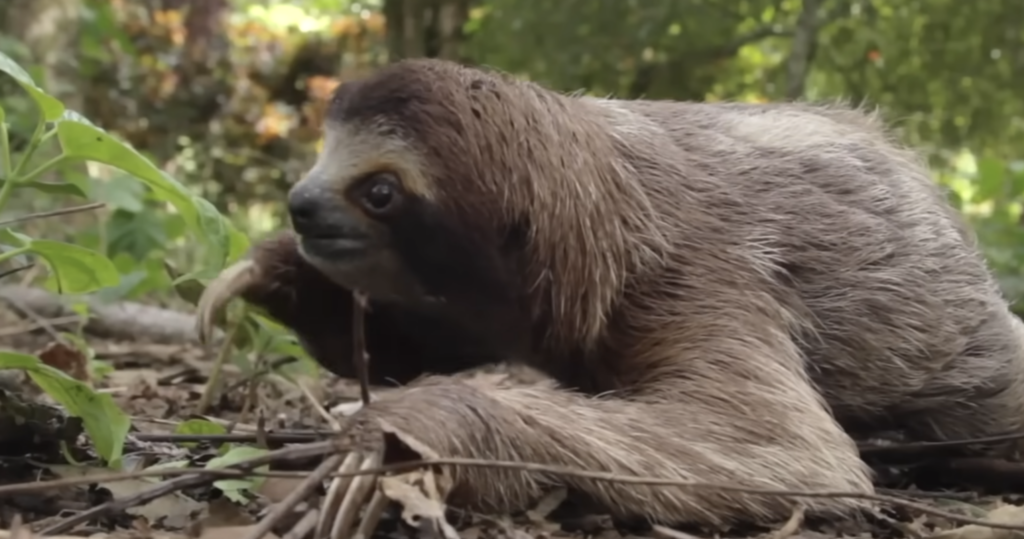
Once the task is finished, the animal usually returns to the trees.
Their slow lifestyle has helped sloths survive for millions of years, but it has also created a strange misconception. Because they rarely move quickly, people sometimes assume they are completely defenseless.
They are not.
A sloth may never chase you across the rainforest, but if you corner one, the situation can change very quickly. Those curved claws were designed to keep the animal attached to trees, and they can become formidable defensive weapons when necessary.
So the next time you see a sloth smiling from a branch, remember that appearances can be deceiving.
The world’s slowest mammal may move slowly, but that does not mean it cannot fight back.