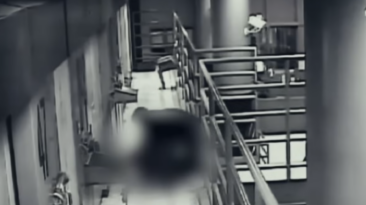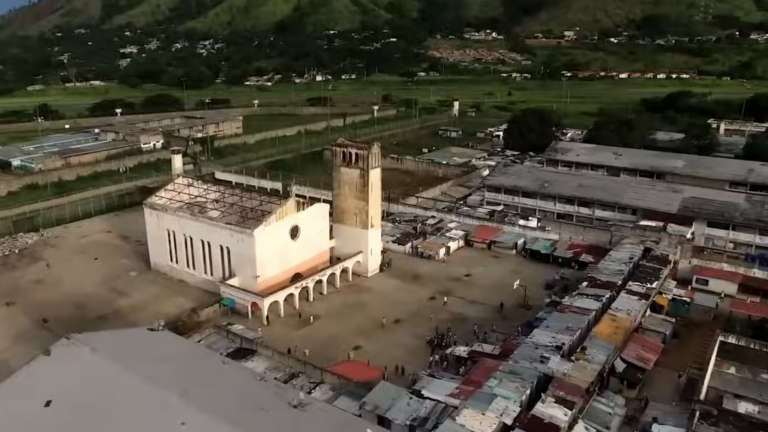
Sabaneta Prison stood in the scorching border city of Maracaibo, Venezuela. Built in 1958, it was divided into four areas, each filled with a different kind of prisoner.
There were disgraced military and police officers, petty criminals, convicts with more serious charges and some of the country’s most violent offenders. At any given time, all 900 plus inmates were overseen by only 40 officers.
With strength in numbers, an overpopulation issue and all types of criminals living under one roof, it was no surprise that a hierarchy was quickly established among the prisoners themselves.
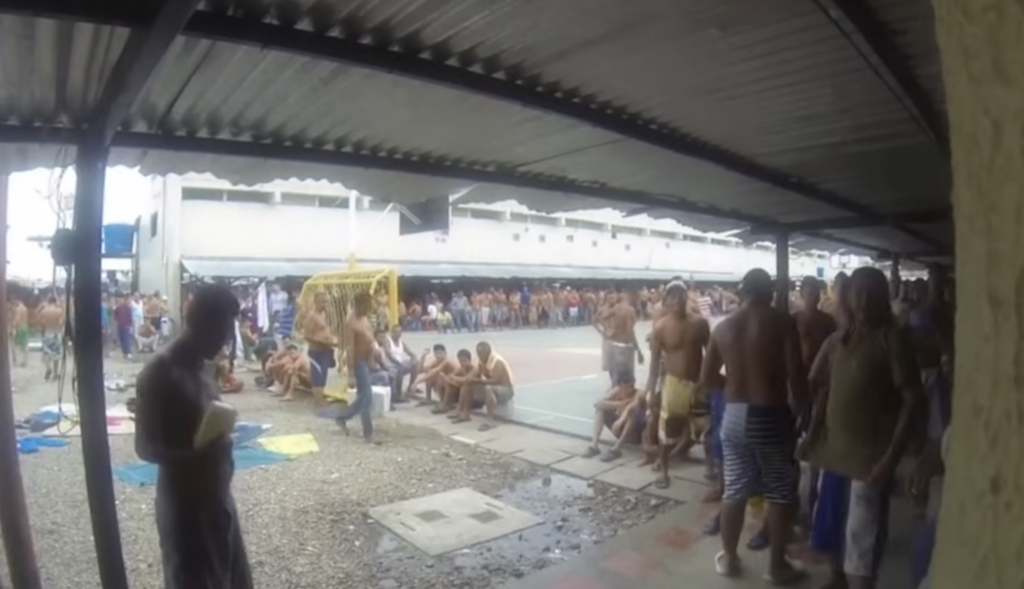
Like most prisons in Venezuela, gangs of inmates unofficially ran the operations inside Sabaneta, with the guards simply ensuring no one escaped. Due to a lack of food, medical supplies and some inmates sleeping two to three to a bed, tensions at Sabaneta were always high.
Then, in 1994, a prison riot broke out, a regular occurrence in Venezuelan prisons, but this time, things got really bad.
Seeking revenge on a rival gang, a group of inmates took it upon themselves to prove a point. They broke out of their cells and firebombed a section of the jail where rival inmates were confined.
The fire quickly turned the prison into a nightmare. Trapped inside, some inmates had nowhere to go as flames spread through the section of the jail.
In an attempt to avoid being burned alive, some inmates rushed out, only to be shot or stabbed to death. In total, over a hundred prisoners were killed, with some sources claiming up to 150 died.
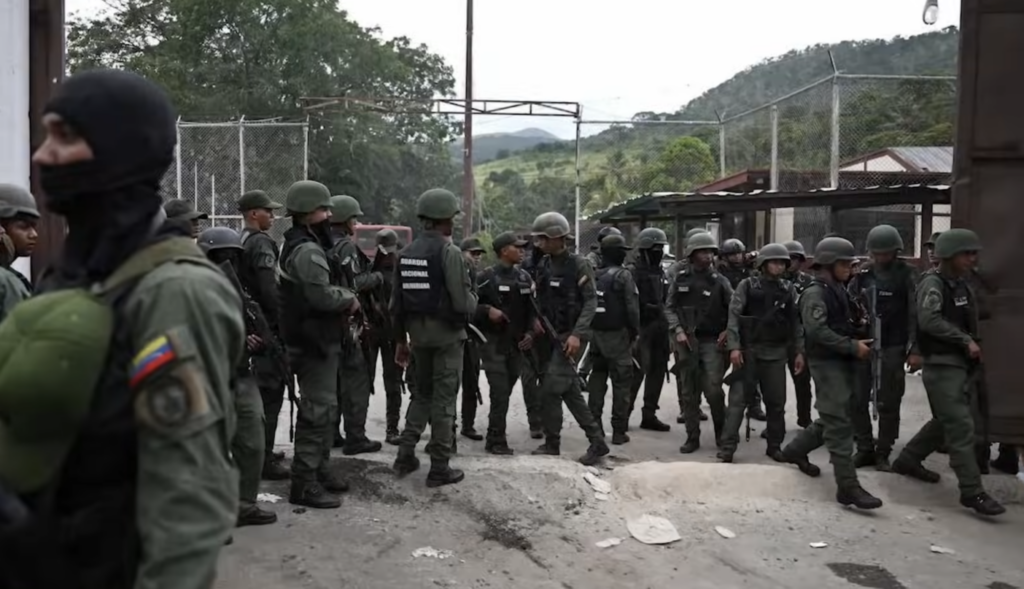
But the violence did not end with the fire. In response to the deadly riot, the National Guard stormed the prison with heavy weapons and tear gas.
It remains unclear who was responsible for each death. But one survivor described seeing an inmate try to escape the fire, only to be beheaded with an axe.
What happened next was almost impossible to comprehend. The survivor said the attackers started playing soccer with his head while shouting, “We have to kill them, we have to kill them.”
By 1994, about 3,400 inmates were packed into a prison meant for only 900. The overcrowding had helped create an environment where rival gangs could operate with enormous power, while the guards were hopelessly outnumbered.
Sadly, even after the massacre, almost nothing was done to fix the overcrowding.
The prison remained dangerous for years. In 2013, another riot involving gangs claimed 16 lives, while the total number of inmates had increased to 3,700.
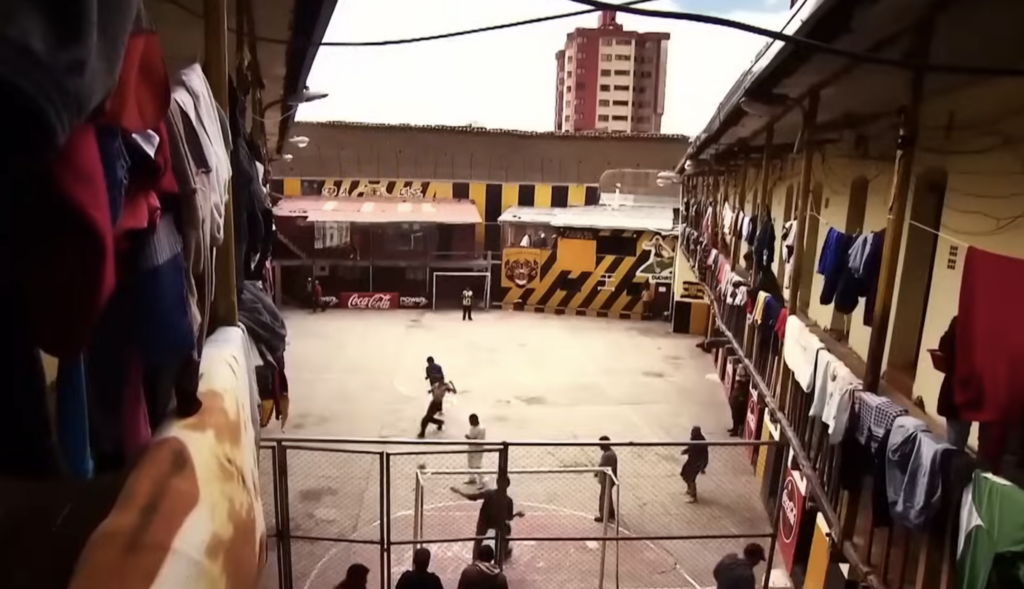
Things were also different this time around. There was a clear hierarchy among the prison gangs, with a gang leader, or prane, in charge of the operations.
In 2013, the man running the show was known as El Mocho Edwin. As the leader, he oversaw all business dealings happening inside and outside the prison, including weapons and drug trafficking, kidnapping and even security for prisoners.
Sabaneta had become more than a prison. It was a place where gangs unofficially controlled much of what happened inside, while overcrowding and a lack of basic supplies kept tensions constantly high.
It even became a home for families, not just prisoners. A total of 192 children were living inside the quarters alongside their imprisoned parents.
A raid following the 2013 riots also revealed that animals, from dogs to turkeys and pigs, not to mention an ocelot, were present inside.
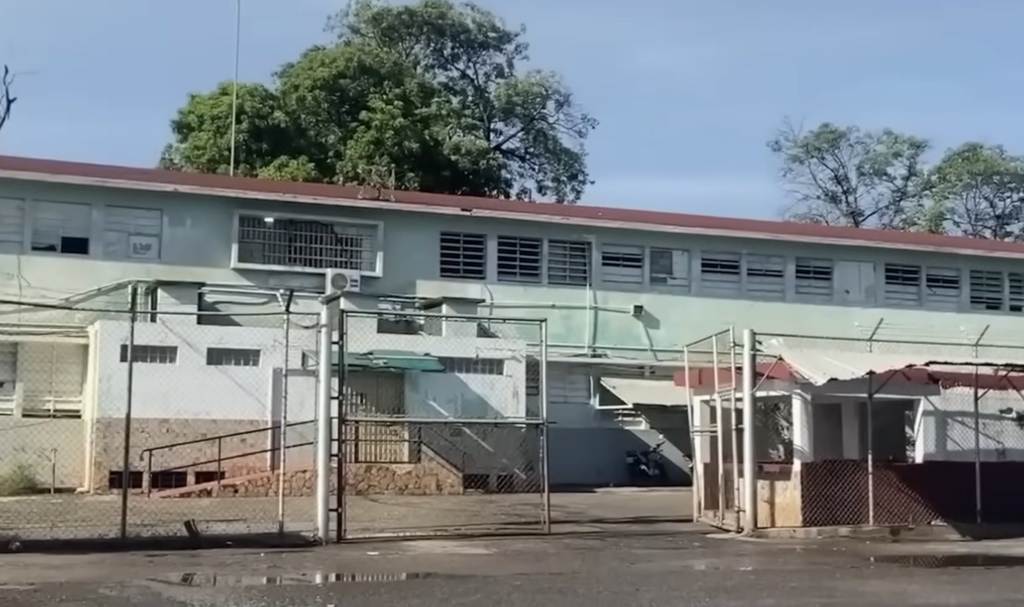
Following the prison’s closure in 2013, El Mocho wasn’t so eager to leave. But after some negotiations with authorities, he agreed to be transferred to another facility.
For the prisoners who lived through the worst years of Sabaneta, surviving was simple: follow the rules set out by the gangs, pay for protection and do your best to stay out of trouble.
Because inside Sabaneta, breaking those rules could mean much more than punishment.
It could mean you never walked out alive.