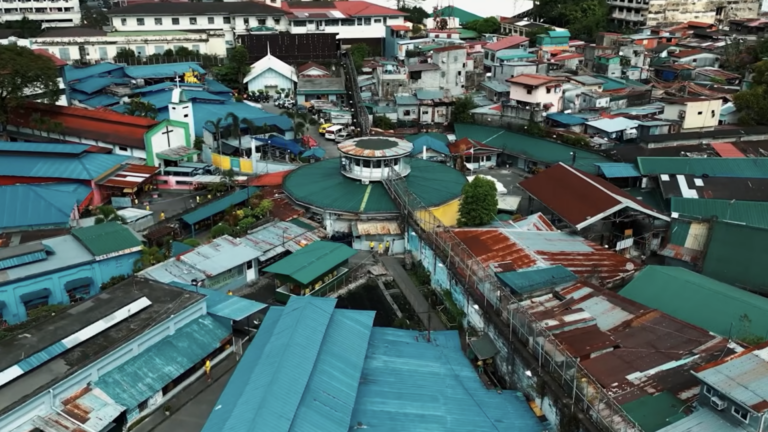
Picture this. You just got arrested in the Philippines. You haven’t been convicted of anything, but suddenly you’re inside Manila City Jail, surrounded by thousands of other inmates. There is no bed waiting for you, no blanket, and no cell to call your own.
Manila City Jail sits in the center of the capital, on the grounds of the old Spanish era Bilibid Prison. The jail was designed for around 1,100 inmates, yet more than 5,600 people have been held there at once. At one point, the congestion rate reached around 600 percent, making it one of the most overcrowded jail systems in the world.
And the overcrowding is only the beginning. Nine out of 10 inmates inside have never been convicted of anything. Some wait for months, others for years, simply for their cases to reach court.
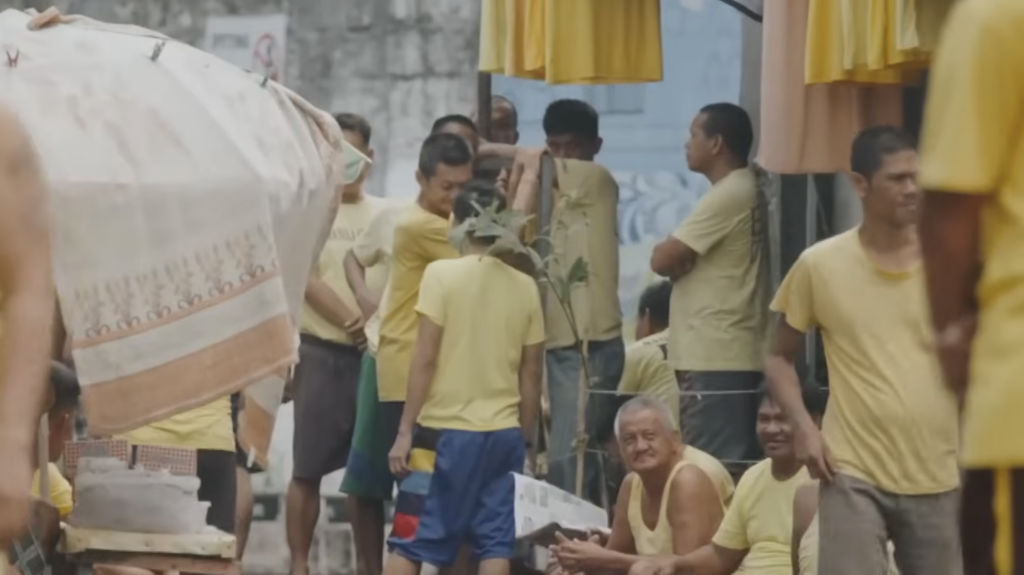
When you first arrive, the state gives you exactly one thing, a colored T shirt showing your status. That’s it. No bed, no blanket, and no private space. Within days, however, you’ll learn that the people who really determine how life works inside are not always the guards.
They are the pangkats, the prison gangs and brotherhoods that have developed their own system of control. In Manila City Jail, inmates are often classified according to their gang affiliation. If you’re a member of one group, you’re housed with that group. If you’re not part of a gang, you can be placed among the Cuerna, the non gang members.
There is reportedly only one guard for every 2,000 inmates, meaning the guards cannot control every aspect of daily life. Inside the jail, the gangs help manage conflicts, organize resources and determine where people sleep. Their leaders can even have their own hierarchy, including mayors, vice mayors and other positions.
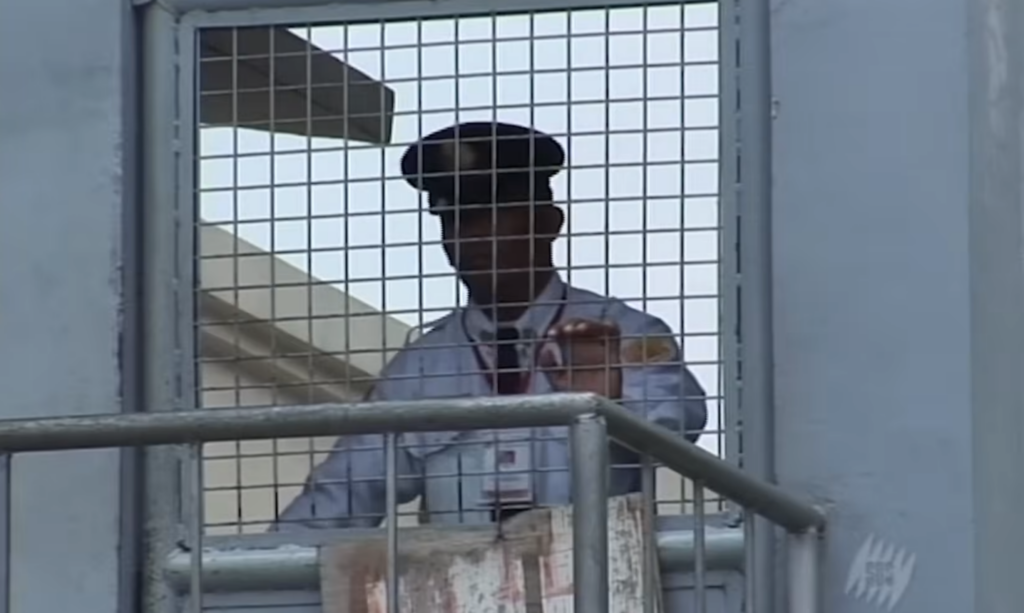
These groups have their own rules too. Inmates are expected to respect the jail officers and inmate leaders, avoid stealing from other prisoners, respect visitors and follow the rules surrounding headcounts. Breaking certain rules can bring serious punishment.
For someone arriving at the jail, however, joining a gang isn’t necessarily about crime. It can be about finding somewhere to sleep, getting food and having protection. In an environment where thousands of people are competing for limited space and resources, belonging to a group can become a basic survival strategy.
And nowhere is that clearer than Dorm 5.
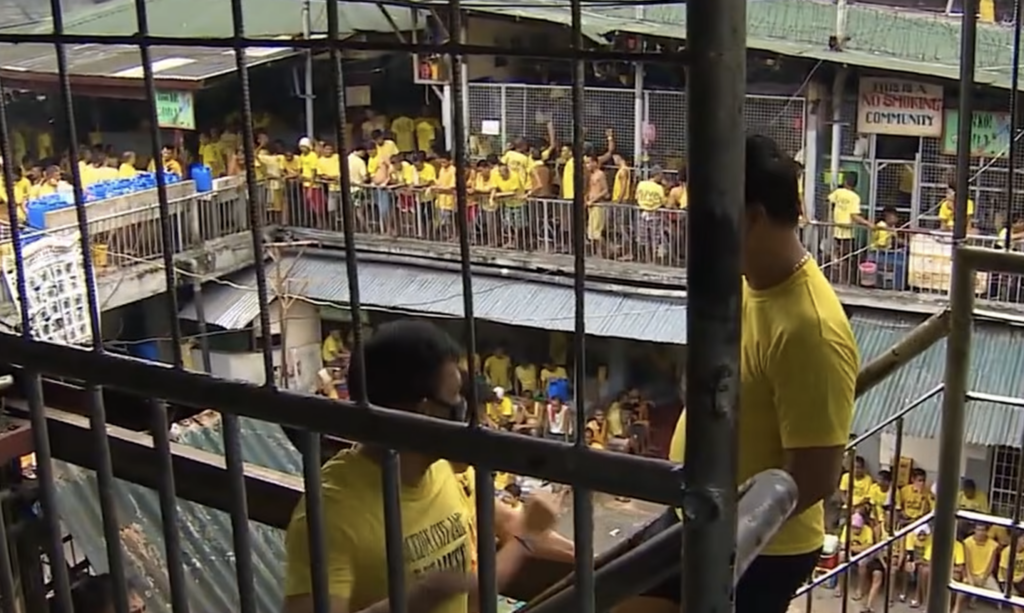
There, 518 men share a room built for just 170 people. Some inmates have only around two square meters of space. Others are forced to sleep wherever they can find room, including around the toilet in a windowless bathroom.
The conditions can become so crowded that simply moving around is difficult. Men sleep packed tightly together, sometimes unable to roll over without disturbing someone else. During the worst periods, there wasn’t even enough room for everyone to sit down during the day.
Then there is food.
The budget for feeding an inmate can be as little as 70 Philippine pesos a day for three meals. Inmates call it “ranch time,” because the food can resemble something scraped together for livestock.
For many prisoners, family visits are more than an emotional connection to the outside world. They are a survival system. Relatives can bring home cooked food in plastic containers, giving inmates something better to eat than the food provided inside.
Those who have no visitors are known as “Walang dalaw,” meaning no visitors. Without family support, surviving on the jail’s food can become even more difficult.
And when thousands of people are packed into a confined space with limited resources, disease becomes another serious threat.
Tuberculosis has been a problem inside the facility, with a separate tuberculosis ward holding more than 70 patients at one point. Skin diseases and airborne illnesses can spread easily, while limited space makes proper separation difficult.
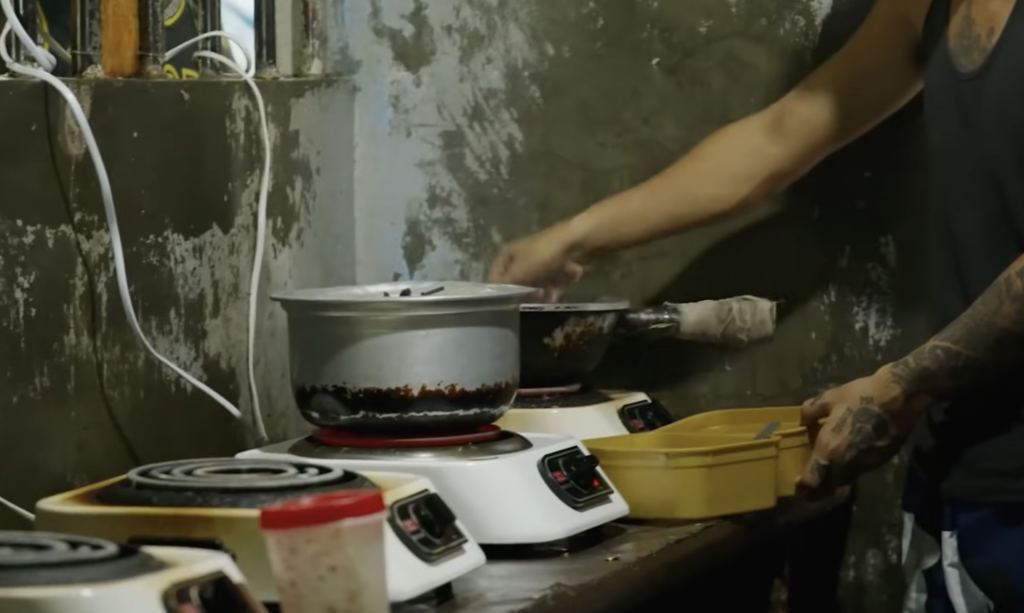
According to Raymund Narag, who spent nearly seven years as a pretrial detainee in the Philippine system before being acquitted, conditions can become especially dangerous when there are not enough resources or personnel to manage the population.
But perhaps the hardest part of Manila City Jail isn’t the food, the overcrowding or even the disease.
It’s waiting.
Some prisoners spend years inside while their cases move through the courts. One inmate reportedly spent 18 years in detention while undergoing trial before eventually being found not guilty and released.
Another case involved Buboy Mendiola, known as the Commander. He spent six years inside Manila City Jail without being convicted. During that time, he climbed the ranks and eventually ran his own gang, helping provide food, order and discipline for hundreds of men.
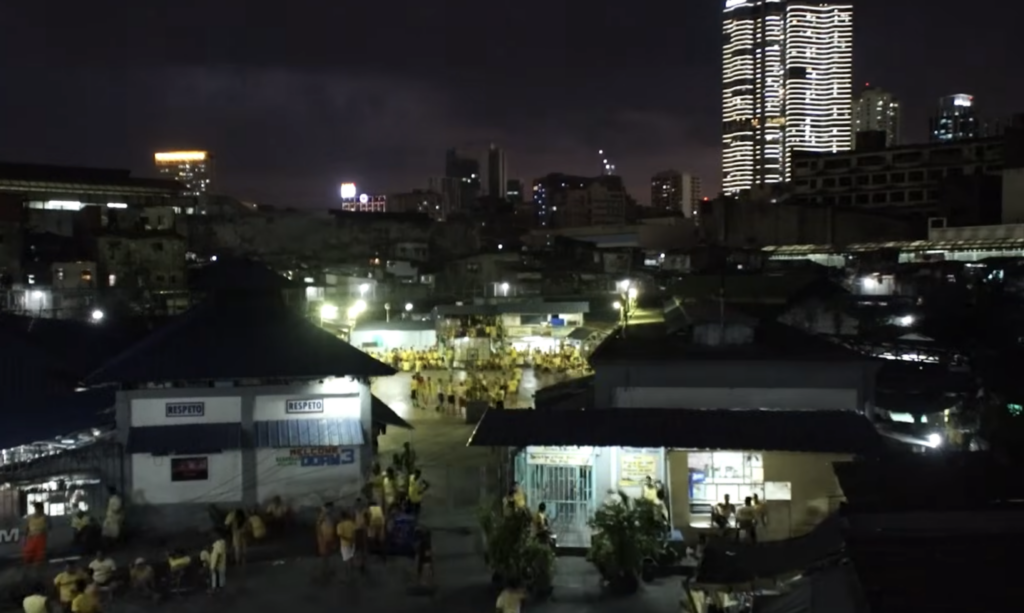
When he was finally told that the courts were letting him go, he didn’t simply walk out. He called a meeting with jail deputies to choose his successor, insisting that the next person should actually care about the people inside.
The system can also become dangerously unstable. During the country’s drug war, the national jail population reportedly exploded from 96,000 to 165,000 inmates in just 18 months. One Manila jail dormitory went from holding 170 people to nearly 700.
Then, in September 2019, an argument between two inmates triggered a full gang war. Two people were killed and 32 were injured.
So how do you survive Manila City Jail?
You find somewhere to sleep. You figure out who controls your area and follow the rules. You find protection, try to maintain access to food and guard your health in a place where disease can spread quickly. Most importantly, you hope your case keeps moving.
Because for thousands of people inside Manila City Jail, the frightening part isn’t knowing that you’re serving a sentence. It’s knowing that you might spend years behind bars without ever being convicted.