Welcome to one of the most restricted countries in the world.
North Korea is often described by analysts and defectors as a tightly controlled state where everyday life is heavily regulated. For both citizens and visitors, even small actions can carry serious consequences, including detention or imprisonment.
In this article, we look at seven everyday things that are restricted or heavily controlled in the Democratic People’s Republic of Korea, based on reported accounts and historical cases.
1. Watching Foreign Movies and TV Shows
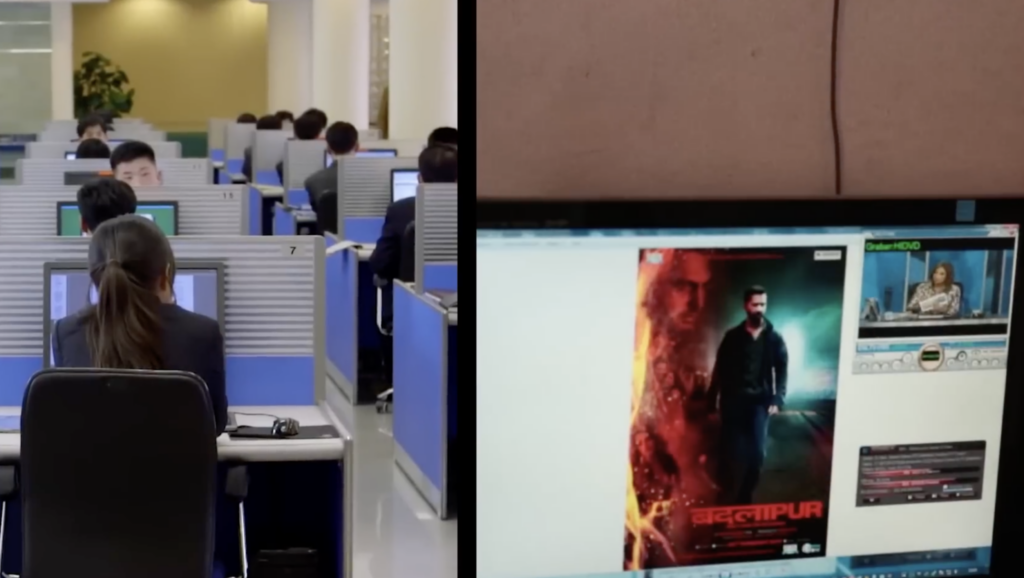
In North Korea, access to foreign media is strictly limited.
Movies, television series, and music from countries like the United States and South Korea are generally forbidden. Possessing or sharing this kind of content can lead to serious punishment, as authorities view it as exposure to outside ideology.
Defector testimonies have described harsh penalties for those caught watching or distributing foreign entertainment. In some reported cases, public punishments have been used as a warning to others.
The goal of these restrictions is to tightly control information and prevent outside cultural influence from entering daily life.
2. Listening to Foreign Music
Music is also closely monitored.
South Korean pop music, in particular, is banned due to its association with foreign culture. Individuals caught with illegal recordings or media devices risk interrogation, detention, or punishment.
Defectors have described secret distribution networks using hidden USB drives to circulate foreign films and music, despite the risks involved. Even within families, possession of banned media can lead to severe consequences if discovered by authorities.
3. Religious Materials and Worship
North Korea is officially an atheist state, and organized religion is heavily restricted.
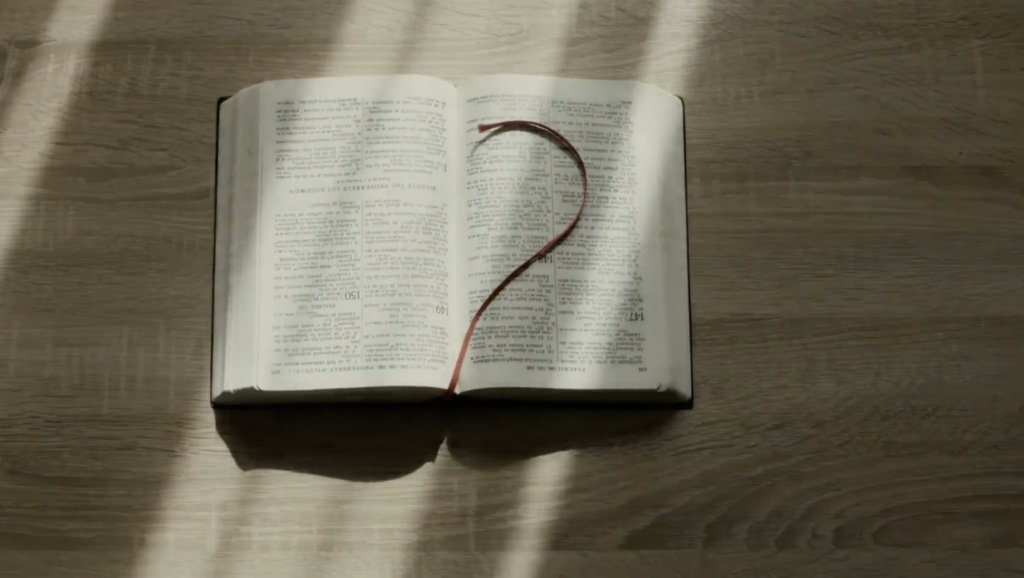
Possessing religious texts such as the Bible can be considered a serious offense. Religious practice outside of state approved institutions is not permitted, and foreign religious materials are treated as illegal propaganda.
In one widely reported case, American citizen Jeffrey Fowle was detained after leaving a Bible in a public place. He was accused of religious proselytizing and held for several months before being released following diplomatic negotiations.
Visitors are strongly advised to avoid bringing or displaying religious symbols while in the country.
4. Wearing Certain Clothing Like Jeans
Fashion is also controlled in surprising ways.
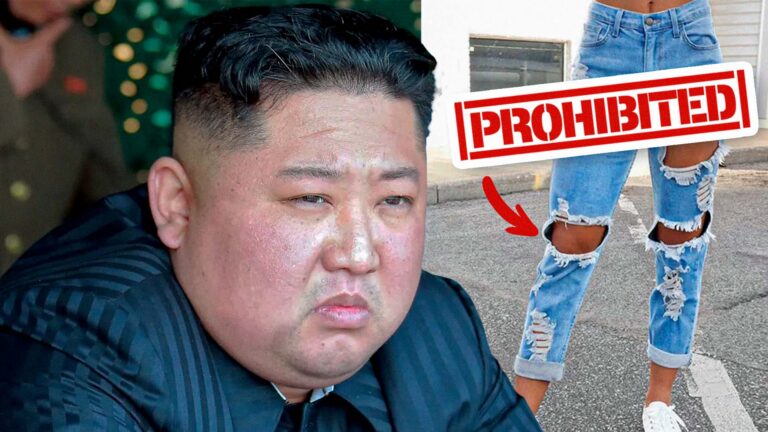
Blue jeans, for example, are often associated with Western culture and are therefore restricted in certain contexts. Other clothing items considered symbols of Western influence may also be discouraged or banned.
Reports have also described restrictions on tight fitting clothing and certain styles viewed as “capitalist” or foreign influenced.
Visitors are typically expected to follow strict dress codes that align with local standards.
5. Approved Hairstyles Only
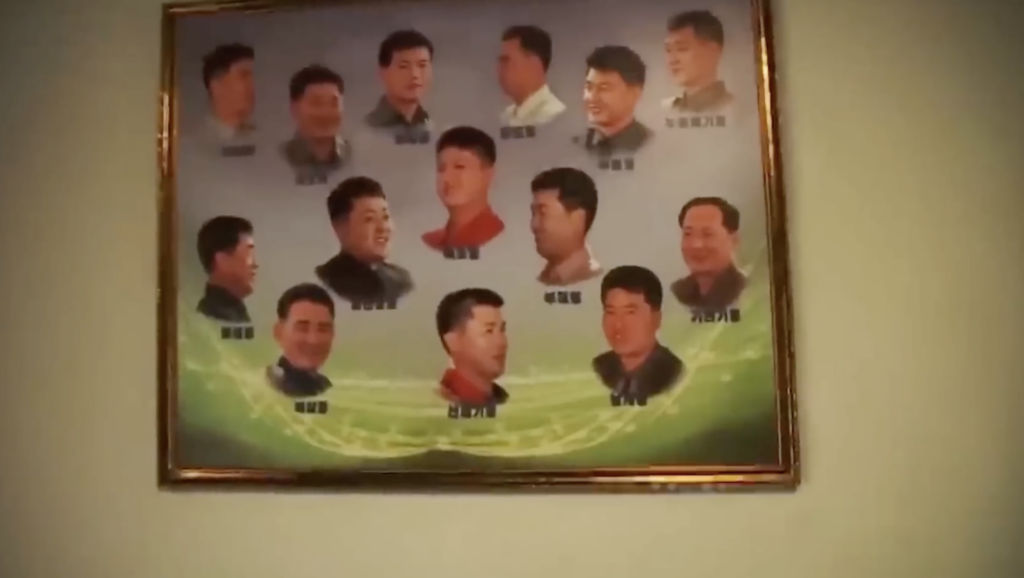
Personal appearance is regulated more than in most countries.
Reports suggest that men and women are expected to choose from a limited set of approved hairstyles. Men may be restricted to a small number of government approved cuts, while women also have designated styles.
More unconventional hairstyles, such as mullets or highly stylized cuts, are discouraged or reportedly banned.
The purpose of these rules is often described as maintaining uniformity and social order.
6. Marijuana Misconceptions
There has been confusion online about cannabis in North Korea.
While wild hemp plants can grow in some areas, these are not the same as recreational marijuana. Industrial hemp contains very low levels of THC, the compound responsible for psychoactive effects.
Despite rumors, marijuana is not legal. In fact, it is treated as an illegal drug, similar to other controlled substances.
Misunderstandings have led some outsiders to incorrectly assume it is tolerated, but official policy does not support that claim.
7. Currency and Shopping Rules
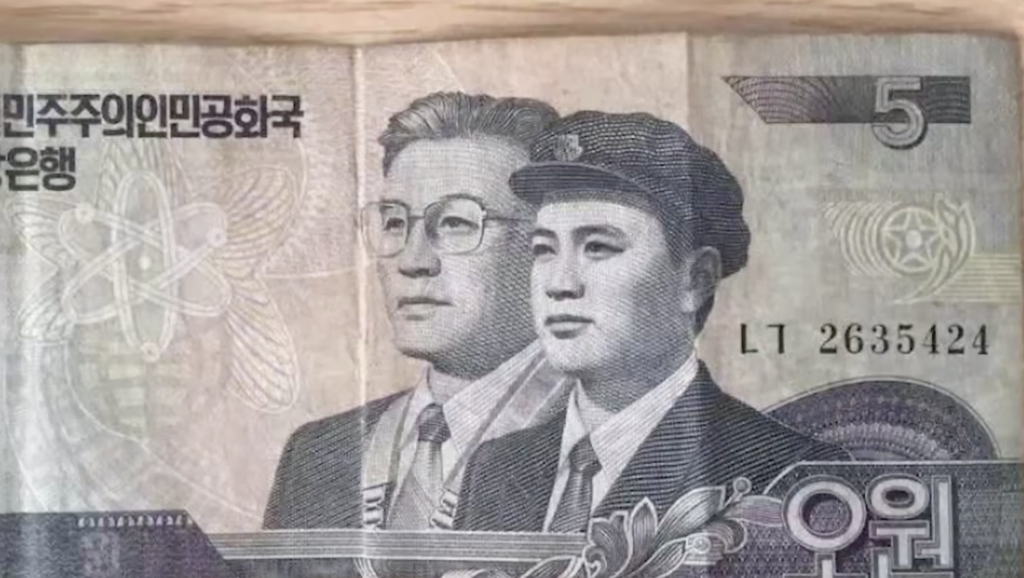
Money and shopping work differently for visitors.
Tourists are generally not allowed to use the local currency, the North Korean won, in everyday transactions. Instead, foreign currencies such as US dollars, euros, or Chinese yuan are commonly used in designated areas.
Visitors are also restricted to specific shops approved for foreign guests. Entering local markets intended for citizens is typically not permitted and can lead to intervention by guides or authorities.
Souvenirs involving local currency or restricted items may also be confiscated or cause legal trouble.