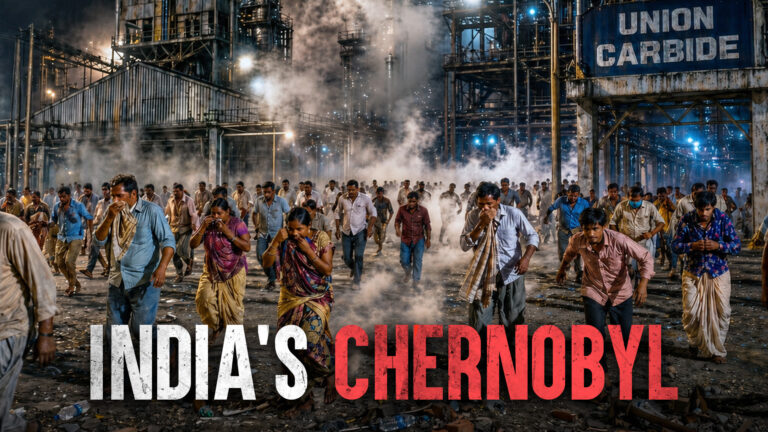
On the night of December 2, 1984, the residents of Bhopal woke up choking on poison. The air smelled strange as people suddenly felt their eyes burning and their throats tightening.
Families rushed into the streets gasping for air while panic spread through the sleeping city. Many collapsed before they could even escape. By morning, roads and hospitals were filled with victims of what would become one of the deadliest industrial disasters in history.
A Disaster Waiting to Happen
The tragedy did not happen overnight. Years earlier, the American chemical company Union Carbide built a pesticide plant in Bhopal during India’s Green Revolution. The factory produced a pesticide called Sevin using a highly dangerous chemical known as methyl isocyanate, or MIC.
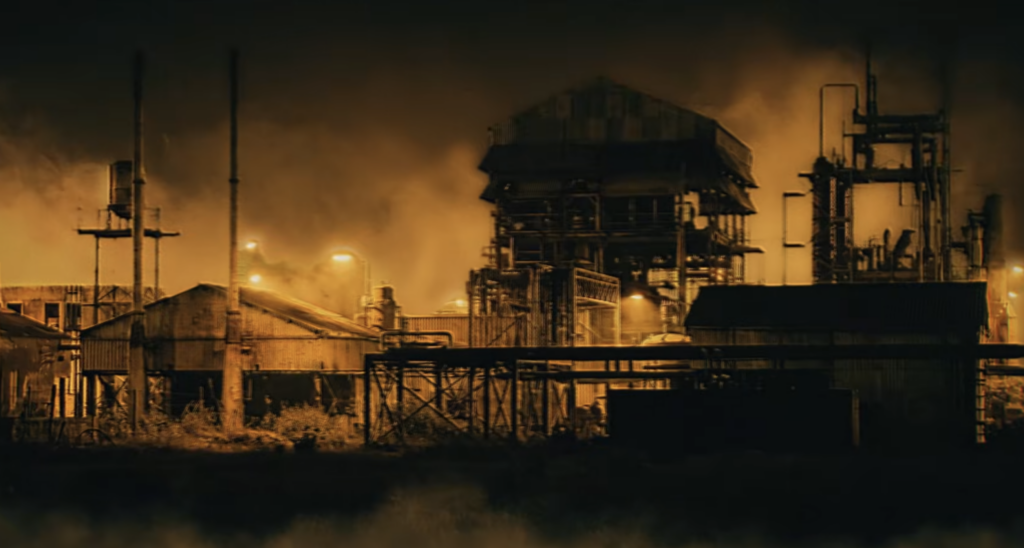
Even the company’s own documents reportedly described MIC as extremely toxic. Despite the risks, huge amounts of the chemical were stored in large tanks near crowded neighborhoods. Over time, the company began cutting costs as profits declined. Safety systems were weakened, maintenance suffered, and worker training was reduced. Several smaller gas leaks and accidents had already happened before 1984, warning that the plant was becoming increasingly dangerous.
The Deadly Gas Leak
Late on December 2, water entered one of the MIC storage tanks, causing a violent chemical reaction. The temperature inside the tank rapidly increased and pressure built to dangerous levels. Soon, toxic gas burst out of the plant and spread across nearby communities.
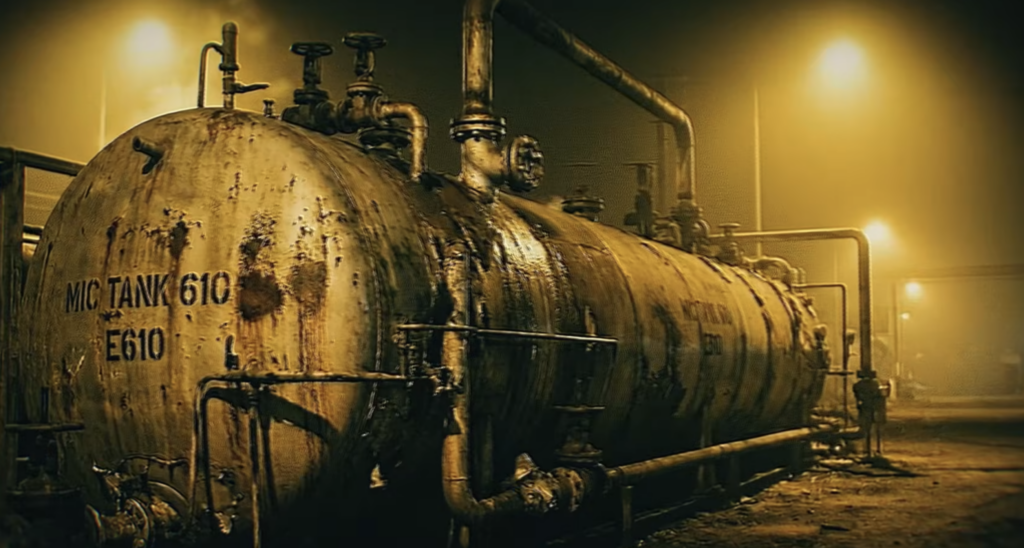
Several safety systems that could have reduced the disaster were reportedly not working properly or had been shut down to save money. The refrigeration system meant to cool the MIC had been turned off, while other emergency systems failed to stop the leak. Because MIC is heavier than air, the poisonous cloud stayed close to the ground and moved quickly through homes while people slept.
Chaos Across the City
Thousands woke up unable to breathe. Survivors described unbearable burning in their eyes and lungs as they desperately tried to escape. Many people became temporarily blind or collapsed while running through the streets. Hospitals were overwhelmed almost immediately. Doctors had little information about the gas and struggled to treat the enormous number of patients arriving with breathing problems, seizures and chemical burns.
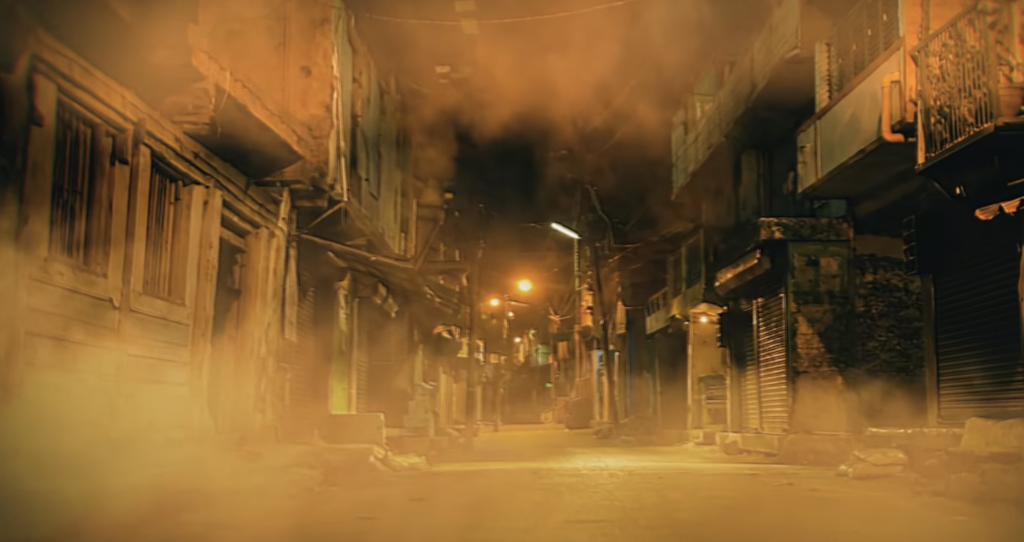
Many residents unknowingly made things worse by running long distances through the toxic cloud. Later reports suggested that simple actions such as covering the face with a wet cloth, staying indoors or moving to higher floors may have helped reduce exposure. But almost nobody received emergency instructions during the disaster.
The Long-Term Human Toll
The effects of the disaster continued long after the gas cleared. Hundreds of thousands of people were exposed to the toxic cloud, and many survivors suffered lifelong health problems. Respiratory diseases, eye damage, neurological disorders and reproductive illnesses became common among victims.
Families living near the abandoned factory also faced another danger. Toxic waste left behind at the site contaminated nearby land and groundwater for decades. Activists and local residents have argued that the cleanup efforts were never enough and that many communities continue to suffer from pollution linked to the disaster.
The Fight for Justice
In the days after the leak, attention turned toward Union Carbide and its chairman, Warren Anderson. Anderson traveled to India after the disaster, was arrested, and later released on bail before leaving the country. He never returned to stand trial.
Union Carbide denied full responsibility and argued that sabotage may have caused the leak, but critics pointed to years of cost-cutting and ignored safety warnings.
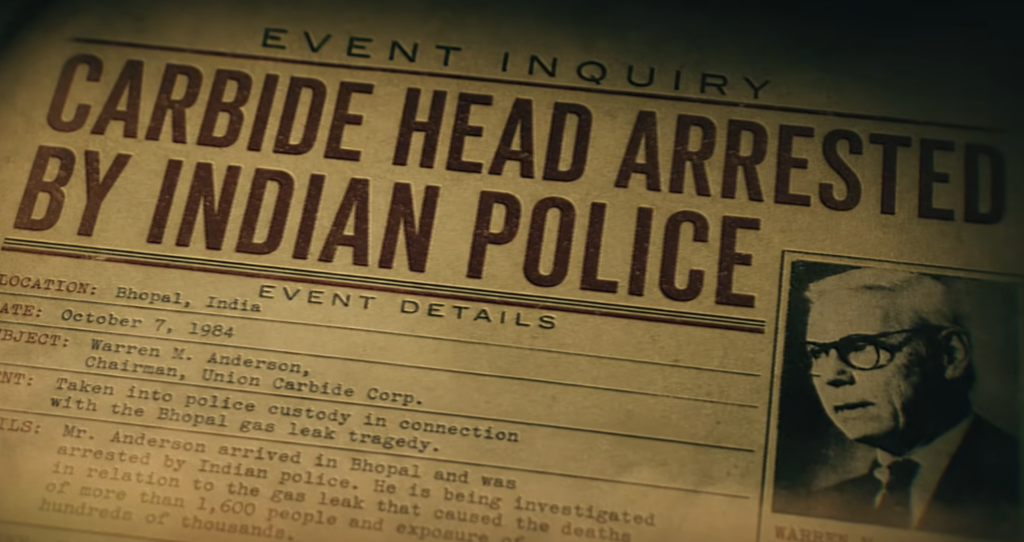
In 1989, the company agreed to a $470 million settlement with the Indian government. Many survivors, however, believed the compensation was far too small for the scale of suffering caused. Years later, Dow Chemical acquired Union Carbide, but disputes over responsibility for cleanup and compensation continued.
Bhopal’s Lasting Warning
More than 40 years later, the Bhopal Gas Tragedy remains one of the clearest examples of corporate negligence in modern history. The disaster showed how ignored warnings, poor safety standards and cost-cutting decisions can turn an industrial plant into a deadly catastrophe.
For the people of Bhopal, the damage never fully disappeared. Survivors and their families continue to live with the health and environmental consequences of that horrific night in 1984.