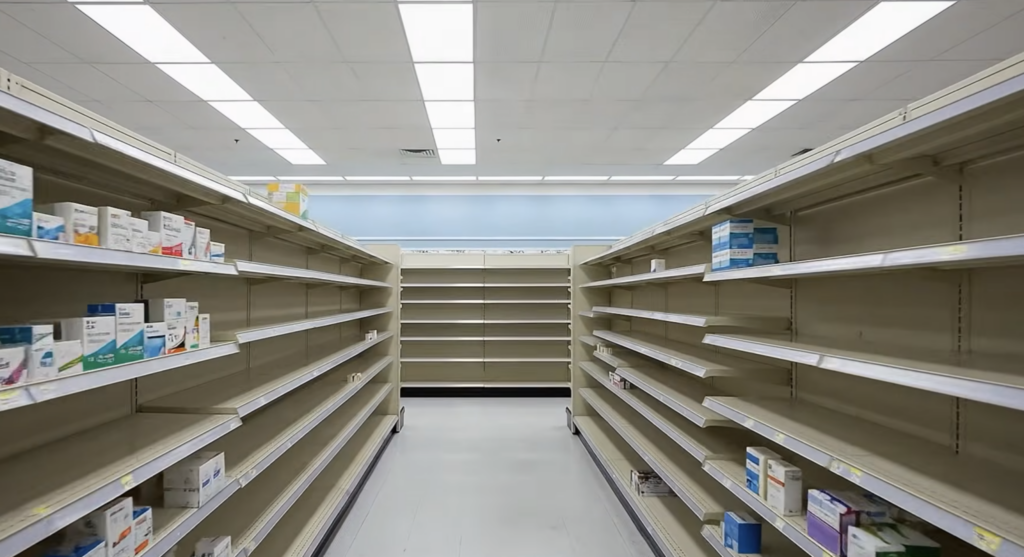
Imagine waking up to empty grocery store shelves, crowded pharmacies and emergency alerts flashing across your phone. Public transport has stopped running, people are fighting over supplies, and rumors are spreading faster than the virus itself.
That’s the terrifying reality of a major pandemic.
History has already shown how deadly outbreaks can become. In the last century alone, flu pandemics killed tens of millions of people. More recently, the world has faced dangerous diseases like HIV, SARS, Hantavirus, Ebola and Zika. Experts warn future pandemics could spread even faster because of global travel and crowded cities.
Why Preparation Matters
When a pandemic strikes, hospitals and supply chains can quickly become overwhelmed. Stores may run out of food, water and medicine within days.
That’s why emergency experts recommend preparing ahead of time. Keeping at least two weeks of non-perishable food and enough water for your household can make a huge difference during a crisis.
Medical supplies are also important. Prescription medications, soap, disinfectants and basic first-aid supplies may become difficult to find once panic buying begins.
Masks, Hygiene and Staying Safe
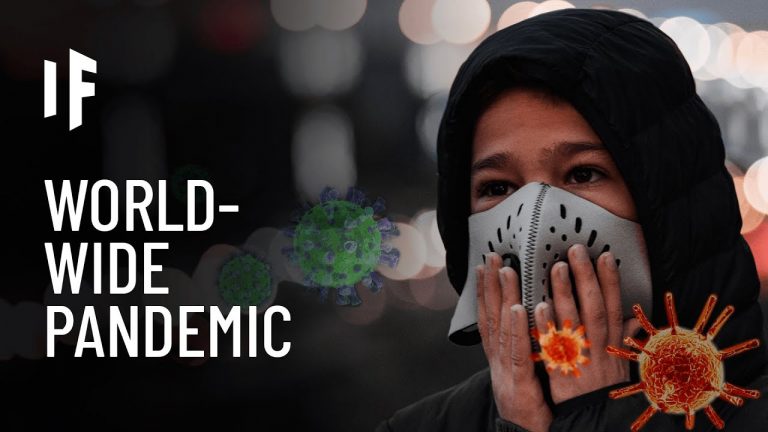
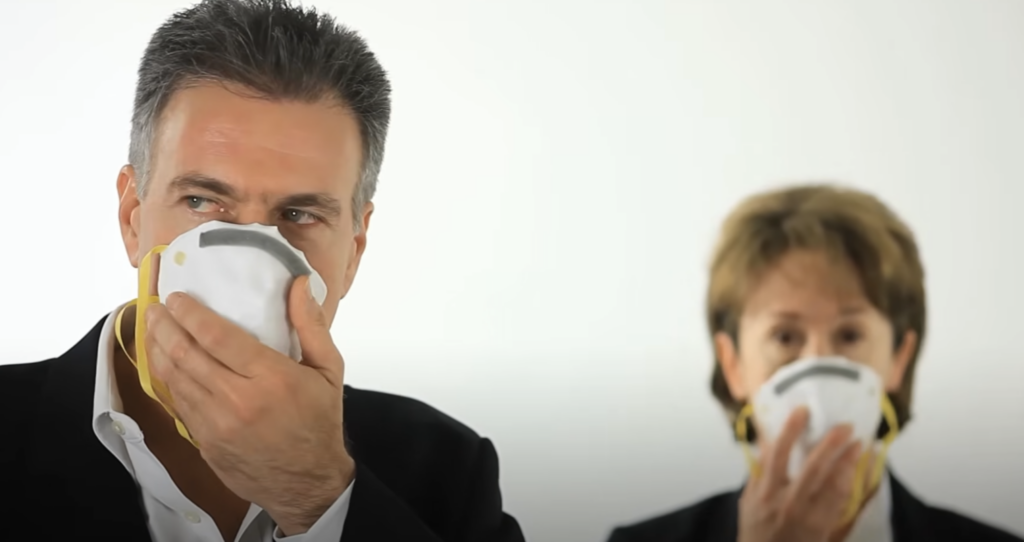
Face masks can help reduce exposure during outbreaks involving respiratory diseases. N95 masks provide stronger protection, but even standard masks can help block droplets from coughs and sneezes.
Good hygiene also becomes critical during a pandemic. Washing hands regularly, disinfecting surfaces and limiting contact with infected people can reduce the spread of disease.
Experts also suggest preparing for disruptions to electricity, heating or transportation systems during large emergencies.
The Real Danger: Panic
In many disasters, panic can become just as dangerous as the outbreak itself.
Fear, misinformation and civil unrest may lead to chaos in communities. People may compete for food, medicine and supplies as shortages grow worse.
That’s why staying calm and avoiding misinformation is so important. Emergency experts often recommend staying home as much as possible during severe outbreaks and avoiding unnecessary risks.
Life After a Pandemic
Even after a pandemic ends, recovery can take years. Communities may face economic problems, food shortages and damaged healthcare systems long after the outbreak fades.
The more self-sufficient people are, the better prepared they may be for future emergencies. Learning practical survival skills and preparing basic supplies ahead of time can greatly improve the chances of staying safe during a global crisis.