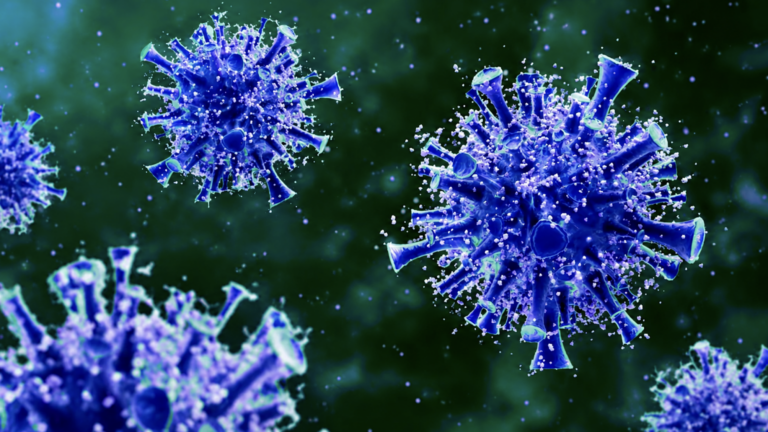
An ordinary trek through the forests of West Africa suddenly turns terrifying. A startled bat swoops overhead and bites your hand before disappearing into the trees. At first, it seems like nothing more than a painful encounter with wildlife. But within seconds, a microscopic killer may already be moving through your bloodstream.
The culprit is Ebola, one of the world’s deadliest viruses. Known for causing severe hemorrhagic fever, Ebola attacks the immune system, damages organs, and disrupts the body’s ability to clot blood. In some outbreaks, fatality rates have climbed as high as 90%, though the average rate across outbreaks is closer to 50%.
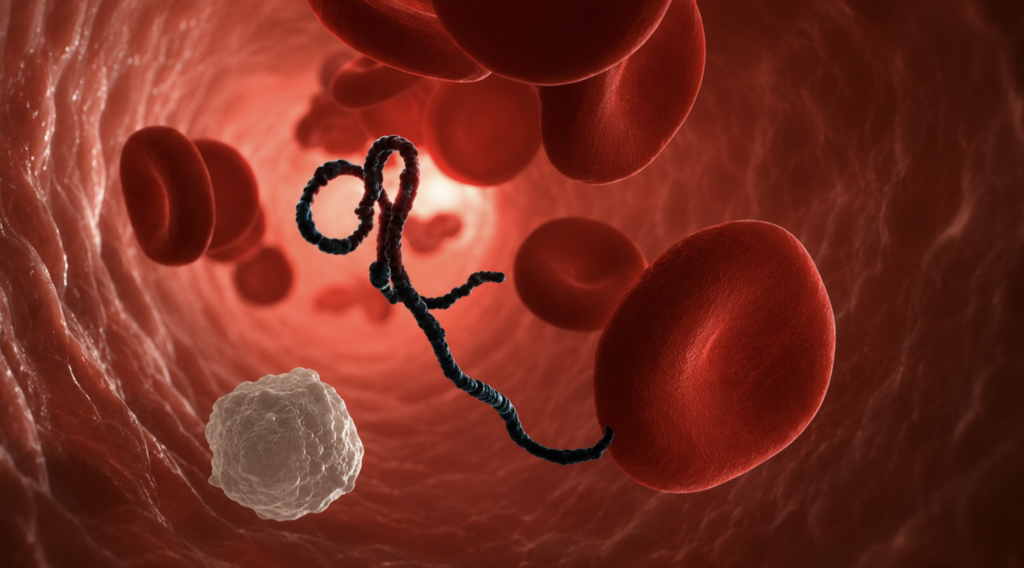
The disease is infamous for horrifying symptoms, including uncontrollable bleeding, organ failure, and septic shock. Yet despite its reputation, Ebola does not kill instantly. The virus follows a brutal timeline, turning the human body into a battleground over the course of days and weeks.
Here is what would actually happen if you became infected with Ebola.
The Virus Enters the Body
Ebola spreads through direct contact with infected bodily fluids, including blood, saliva, sweat, vomit, urine, and semen. It can enter through broken skin or through mucous membranes in the eyes, nose, or mouth.
Once inside the body, the virus wastes no time.
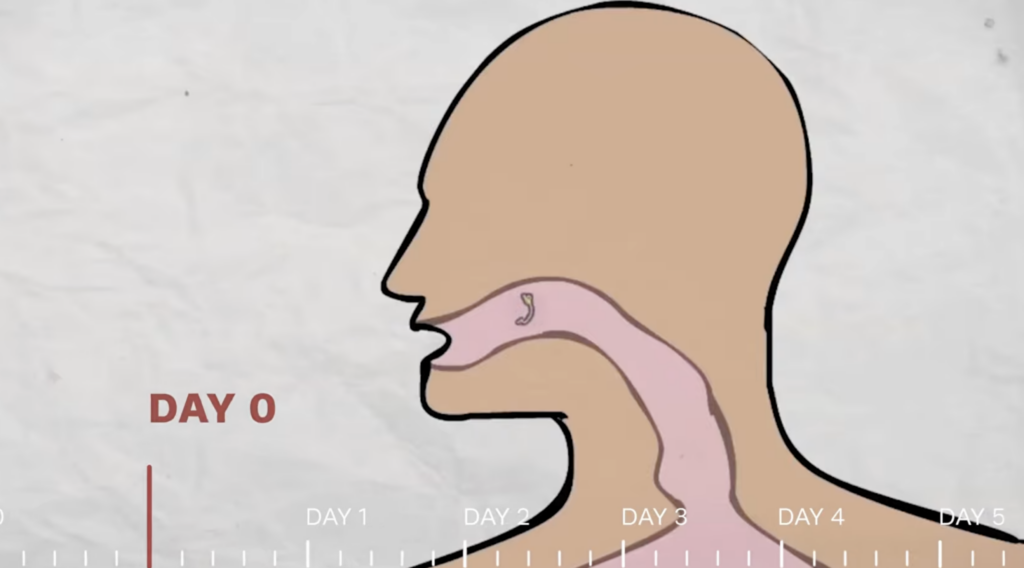
Instead of attacking random cells, Ebola targets immune cells called macrophages and dendritic cells. These are supposed to be the body’s first line of defense against infections. But Ebola hijacks them, turning the cells into virus producing factories.
The infected immune cells travel through the bloodstream and lymphatic system, unknowingly spreading the virus throughout the body. During this stage, the infection remains invisible. You feel perfectly normal while billions of viral particles multiply inside you.
This incubation period typically lasts between two and 21 days, though symptoms often appear within one week.
The First Symptoms
At first, Ebola can feel deceptively mild.
You may wake up with a fever, headache, fatigue, muscle pain, or chills. The symptoms resemble the flu, food poisoning, or even a bad cold. Some people also develop sore throats or mild coughs.
Because the early symptoms are so nonspecific, many infected individuals do not realize they have Ebola right away. This delay can be deadly.
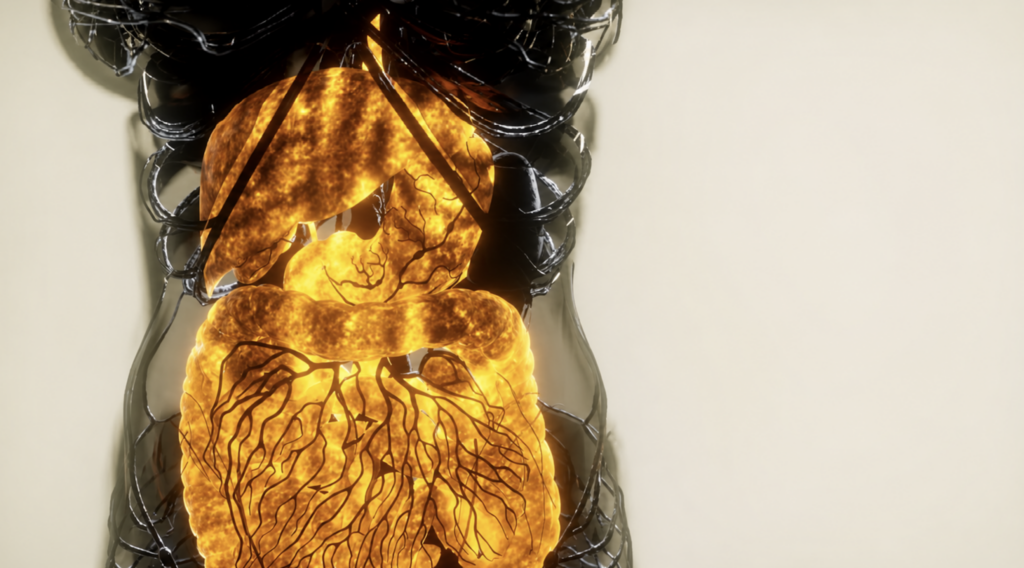
While you rest at home believing you caught a common virus, Ebola is already spreading into your liver, spleen, kidneys, and gastrointestinal tract.
Over the counter medications may reduce fever and aches temporarily, but they do nothing to stop the virus itself.
Day Seven: The Real Nightmare Begins
About a week after infection, the disease becomes dramatically more severe.
Sharp abdominal pain begins to develop as Ebola attacks the digestive system. Soon after, relentless vomiting and diarrhea follow. Patients can lose enormous amounts of fluid in a very short time, leading to dangerous dehydration and electrolyte imbalances.
At this point, even standing up may become difficult.
Meanwhile, the liver begins suffering extensive damage. As liver function deteriorates, bilirubin builds up in the bloodstream, sometimes causing jaundice, a yellow discoloration of the skin and eyes.
Now it becomes obvious this is not an ordinary illness.
By this stage, the infected person is highly contagious. Every bodily fluid can potentially spread the virus to others. Isolation becomes essential, and patients often require strict quarantine protocols along with dedicated bathrooms and protective equipment for caregivers.
Contact tracing also becomes critical. Health officials attempt to identify everyone the infected individual may have interacted with in recent days in order to prevent a larger outbreak.
The Immune System Fights Back
Around one to two weeks into the infection, the immune system launches its counterattack.
B lymphocytes begin producing antibodies that attach to Ebola particles and block them from infecting additional cells. At the same time, T cells start hunting down infected cells throughout the body.
If the immune response is strong and well regulated, recovery becomes possible.
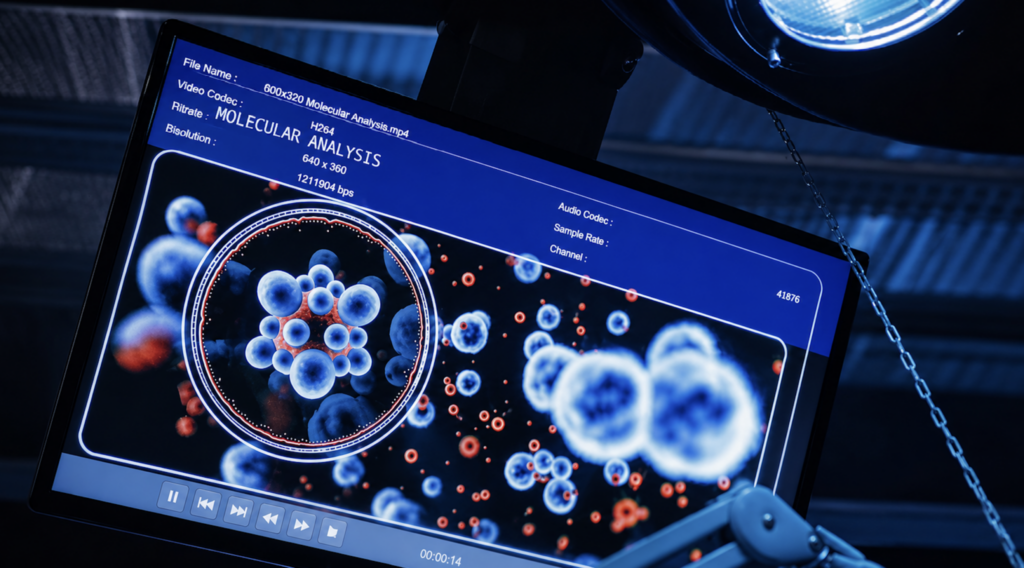
But with Ebola, the immune system itself can become part of the problem.
In severe cases, the body releases massive amounts of inflammatory chemicals called cytokines. This creates a dangerous condition known as a cytokine storm.
Normally, cytokines help coordinate immune defenses. But when too many are released at once, inflammation spirals out of control. Blood vessels become damaged and leaky, tissues swell, and organs begin to fail.
Patients may develop extremely high fevers, difficulty breathing, worsening diarrhea, and profound exhaustion.
Doctors try to stabilize patients with intravenous fluids, oxygen therapy, fever reducing medications, and treatments aimed at controlling inflammation. But there is still no universal cure for Ebola itself.
Organ Failure and Internal Bleeding
As the second week approaches, the infection can become catastrophic.
Ebola may trigger septic shock, a condition in which blood pressure suddenly crashes due to overwhelming infection and inflammation. Without enough blood flow, organs begin shutting down one by one.
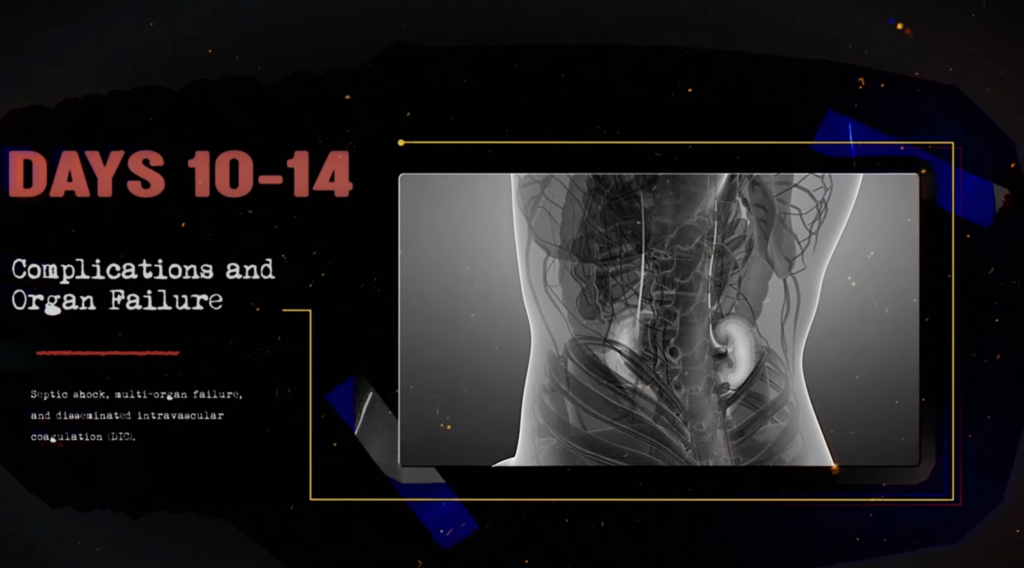
The kidneys may fail to properly filter waste from the blood. The lungs may struggle to provide oxygen. The liver may lose its ability to detoxify harmful substances and produce critical proteins.
One of the most terrifying complications is disseminated intravascular coagulation, commonly called DIC.
This condition sends the body’s clotting system completely out of control. Tiny clots begin forming throughout the bloodstream while clotting proteins are rapidly used up. Eventually, the body loses the ability to stop bleeding altogether.
This is when Ebola can produce its most infamous symptoms.
Bleeding may occur from the gums, nose, eyes, digestive tract, or injection sites. Internal bleeding can also develop in the brain and other organs.
Contrary to popular belief, not every Ebola patient experiences dramatic bleeding. But when hemorrhaging does occur, it often signals a severe and potentially fatal stage of the disease.
Chest pain, coughing, and shortness of breath may also appear as the lungs become affected.
At this stage, survival often depends on intensive medical support. Patients may require assisted ventilation, dialysis, medications to raise blood pressure, blood clotting treatments, and continuous fluid replacement.
Healthcare workers treating Ebola patients must wear full protective suits, masks, gloves, and face shields to avoid exposure.
The Third Week: Survival or Death
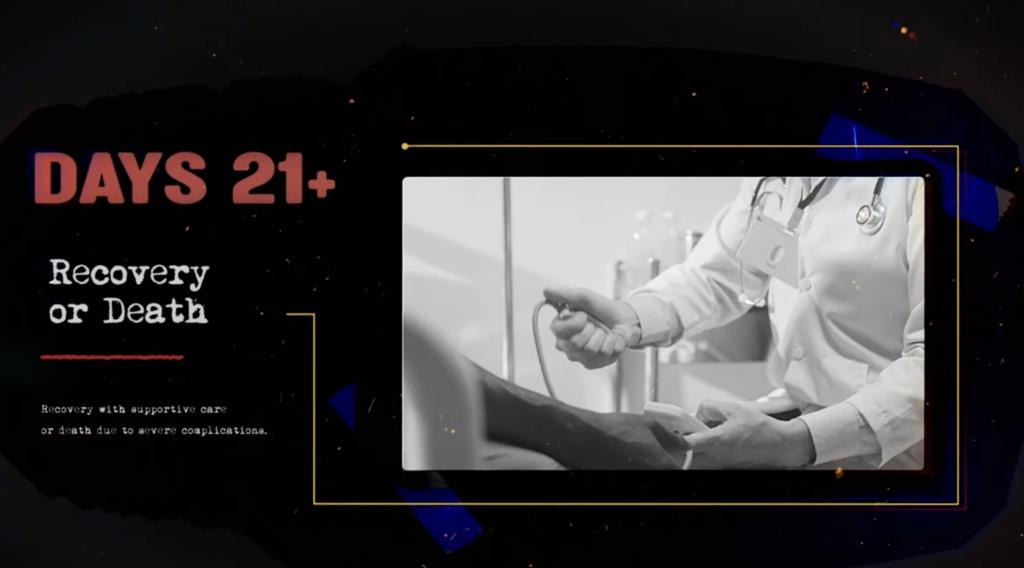
By the third week, the outcome usually becomes clear.
For some patients, the immune system finally gains control over the infection. Viral levels begin dropping, inflammation decreases, and damaged tissues slowly start healing.
For others, the body simply cannot recover from the overwhelming damage.
Multiple organ failure, severe dehydration, uncontrolled bleeding, and shock can ultimately become fatal. Many deaths occur between days 16 and 21 after symptoms first appear.
Age, overall health, access to medical care, and the specific Ebola strain all influence survival chances.
In regions with advanced medical treatment, survival rates are significantly higher than during poorly controlled outbreaks with limited healthcare access.
Is There a Cure?
There is still no universally effective cure for Ebola, but treatments have improved dramatically in recent years.
Doctors mainly focus on supportive care, which includes hydration, oxygen therapy, maintaining blood pressure, and treating complications as they appear. Early treatment greatly improves survival odds.
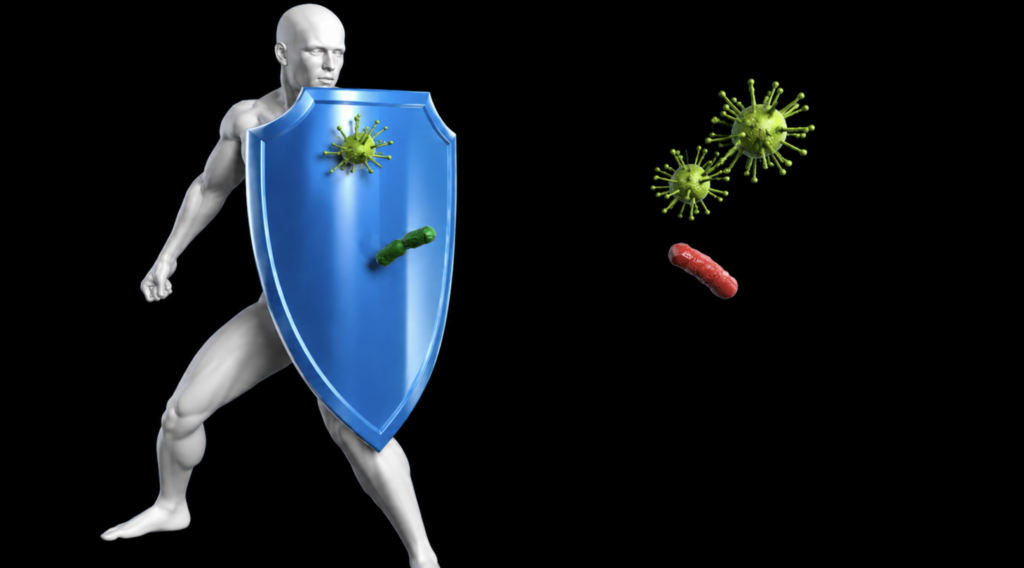
Scientists have also developed antibody based therapies that target certain Ebola strains, helping some patients recover more successfully.
Vaccines are another major breakthrough. The first FDA approved Ebola vaccine, called Ervebo®, has proven highly effective against the Zaire strain of the virus. It is primarily used for healthcare workers and people at high risk of exposure during outbreaks.
Vaccination campaigns have helped contain several recent outbreaks before they spiraled out of control.
Even Survivors Are Not Fully Safe
Recovering from Ebola does not necessarily mean life immediately returns to normal.
Many survivors suffer lingering symptoms for weeks or months, including fatigue, joint pain, muscle weakness, vision problems, and neurological complications.
The virus can also hide in certain parts of the body even after recovery.
In men, Ebola virus particles may remain in semen for months, which is why health officials recommend avoiding sexual activity or using protection for an extended period after recovery.
Breastfeeding mothers may also need medical guidance before nursing again because the virus can potentially persist in breast milk.
Survivors may develop long lasting immunity against the strain they were infected with, but scientists are still uncertain how much protection carries over between different Ebola subtypes.
Why Ebola Still Terrifies the World
Ebola outbreaks are relatively rare compared to diseases like influenza or COVID 19, but the virus remains deeply feared for good reason.
Its symptoms are brutal. Its spread can devastate communities with limited healthcare infrastructure. And even after death, infected bodies remain highly contagious, making traditional funeral practices especially dangerous during outbreaks.
Yet Ebola also highlights how powerful modern medicine and public health systems can be. Rapid isolation, protective equipment, contact tracing, vaccines, and supportive hospital care have dramatically improved survival rates in recent years.
Without treatment, Ebola can become one of the most horrifying diseases on Earth.
But despite its terrifying reputation, it is not the deadliest virus known to humanity.
Rabies still holds that title. Once symptoms appear, rabies is almost always fatal, with a mortality rate approaching 100%.