

Swipe Down for Full Video Story
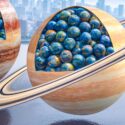
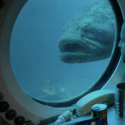
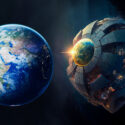
Six hundred and thirty five light years from Earth lies a world that sounds almost too good to be true, a planet potentially covered by a vast liquid ocean where life might actually be possible. This is Kepler 22b.
Kepler 22b is an exoplanet, meaning it exists beyond our Solar System, and it orbits a star that is very similar to our own Sun. Unlike the complex system of planets and moons in our cosmic neighborhood, this distant system appears relatively simple, with a single known planet positioned within the habitable zone. This zone is often described as the “Goldilocks region,” where conditions are just right for liquid water to exist, neither frozen solid like on Mars nor vaporized like on Venus.
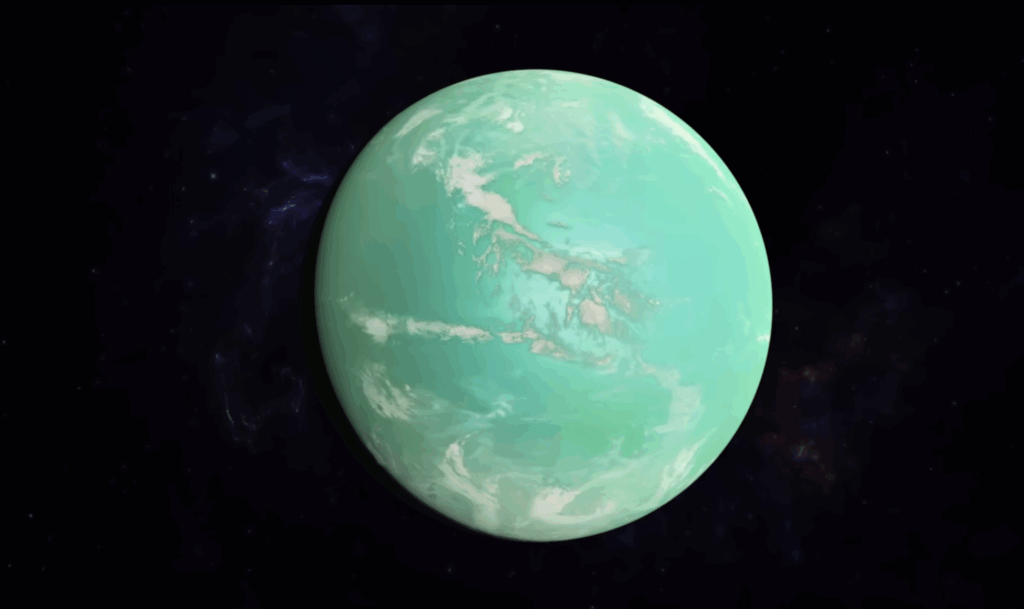
This alone makes Kepler 22b a fascinating world. A planet that may host global oceans and a temperate climate stands out as one of the strongest candidates for an Earth like environment beyond our Solar System. Its star, slightly smaller and cooler than the Sun, still provides enough energy to keep the planet within a range where liquid water could exist and, in theory, support life.
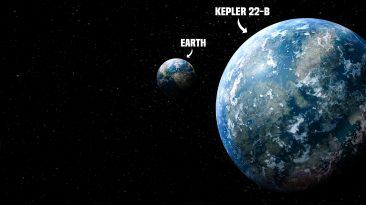
However, there are still major uncertainties. Kepler 22b is classified as a super Earth, meaning it is more than twice the size of our planet and over nine times as massive. This increased scale likely results in much stronger gravity and a far denser atmosphere. While a thick atmosphere could help trap heat and stabilize temperatures, it might also create extreme surface pressure. In such conditions, water could even exist as a supercritical fluid, a strange state that is neither fully liquid nor gas, making familiar forms of life far more difficult to imagine.
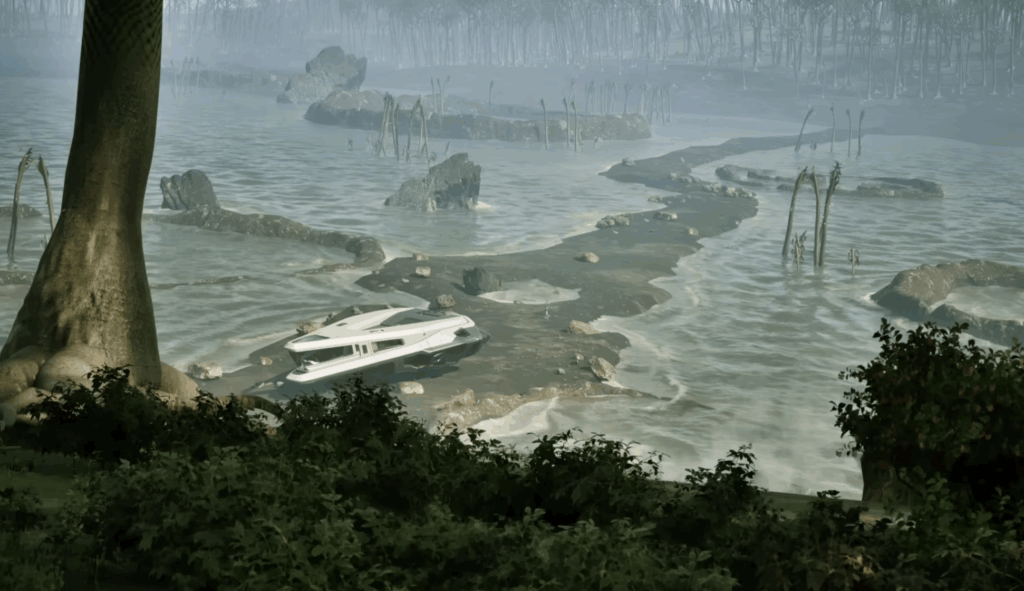
Even if Kepler 22b does contain water, it may not be suitable for humans or Earth like life. The oceans could be acidic or filled with dissolved heavy metals, making them highly toxic. Its atmosphere might also be dominated by hydrogen and helium, with little to no oxygen to breathe. In that case, exposure would be instantly fatal, and the dense air could trap heat, potentially turning the planet into a harsh, Venus like world. If instead it has a thin or minimal atmosphere, temperatures could swing in the opposite direction, with nights becoming extremely cold, similar to Mercury.
Gravity is another major factor. With an estimated surface gravity around twice that of Earth, even basic movement could feel exhausting and physically demanding. Simple actions like walking or lifting objects would require far more effort than on Earth. And although the planet may have water and seemingly moderate conditions, there is still no confirmed evidence of visible life. If life does exist, it is likely microbial and hidden from view, detectable only with advanced instruments.
Kepler 22b remains both fascinating and uncertain. It paints a picture of a possible ocean world where Earth like survival might be achievable, yet the reality could be far more extreme. High gravity, a potentially unbreathable atmosphere, and unknown chemical hazards could all make it a dangerous place. For now, it stands as a powerful “what if,” offering a glimpse into both the promise and the risks of worlds beyond our own.