An earthquake can begin without warning. One moment you are at home, the next a loud crash echoes through the room as dishes fall and objects shake violently. Furniture rattles, pets panic, and the ground feels unstable. In seconds, an ordinary moment can turn dangerous.
So what is happening beneath your feet
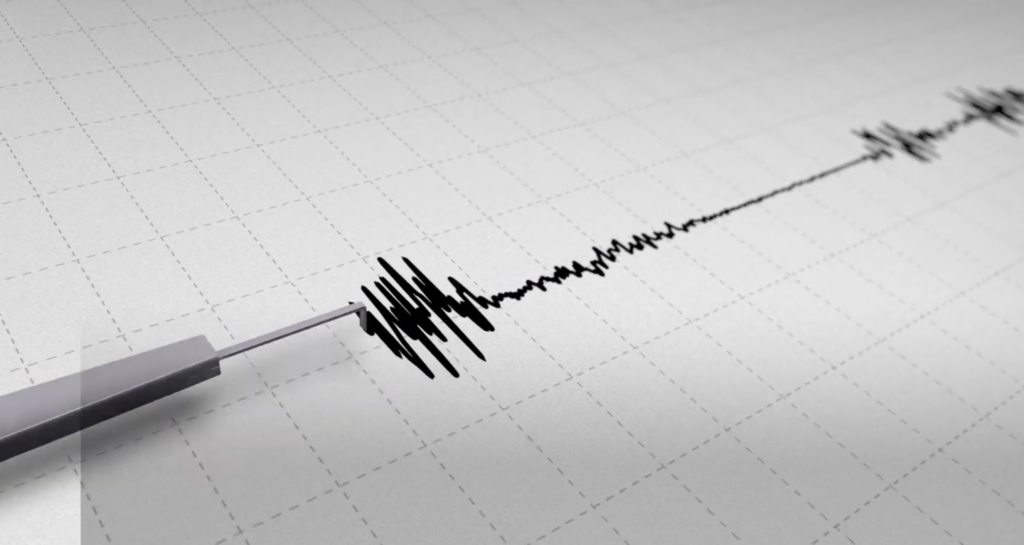
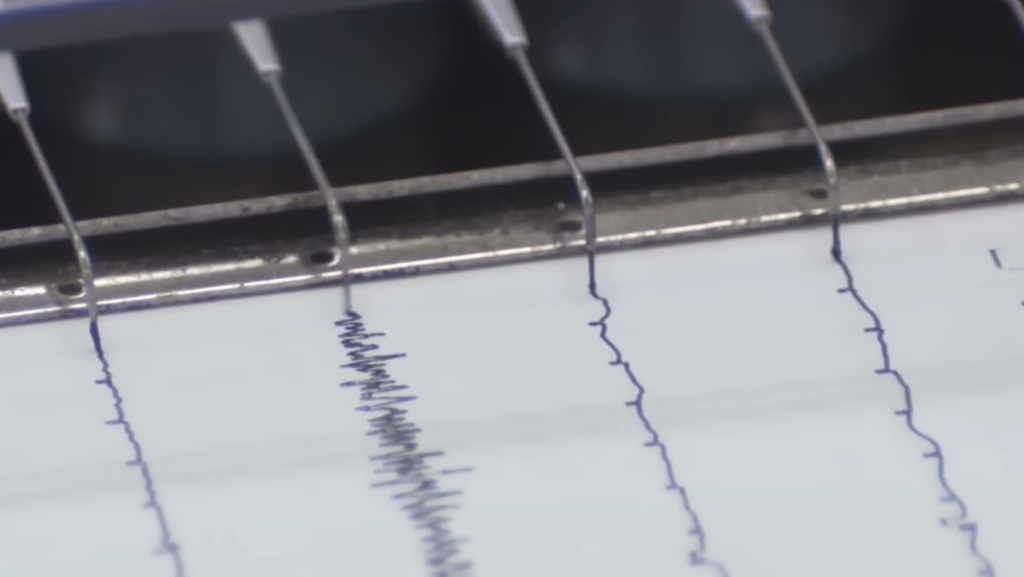
Earthquakes occur because Earth’s outer layer is made of large sections of rock called tectonic plates. These plates slowly move on top of the planet’s upper mantle. Where they meet, known as fault lines, they can become stuck. As pressure builds over time, energy is stored underground. When the plates finally slip, that energy is released as seismic waves. This sudden release is what we feel as an earthquake.
Earthquakes can happen anywhere, but they are most common around the Ring of Fire, a major zone surrounding the Pacific Ocean where several tectonic plates meet. Around 80 percent of the world’s earthquakes occur in this region. Countries such as Japan, Indonesia, and the Philippines experience frequent seismic activity, sometimes several times a month.
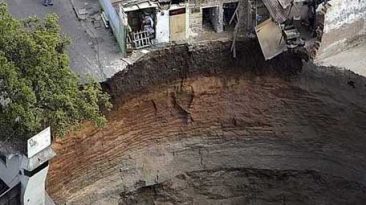
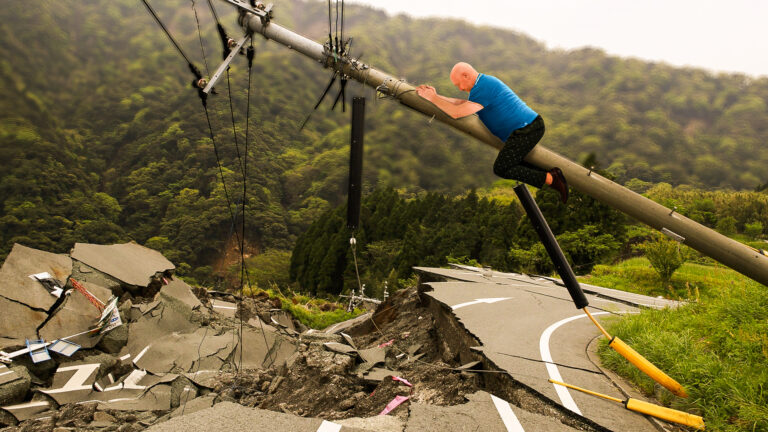
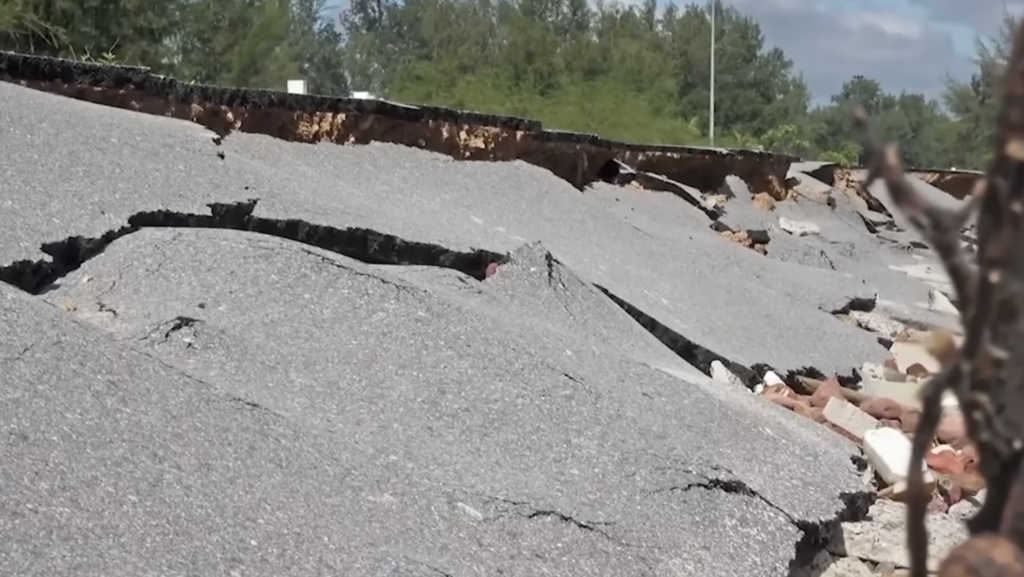
The damage from earthquakes depends on their strength and location. Some cause light shaking, while others can destroy buildings and infrastructure. Secondary dangers include fires from gas leaks, landslides, avalanches, and even tsunamis triggered under the ocean.
Because earthquakes strike without warning, survival depends heavily on preparation.
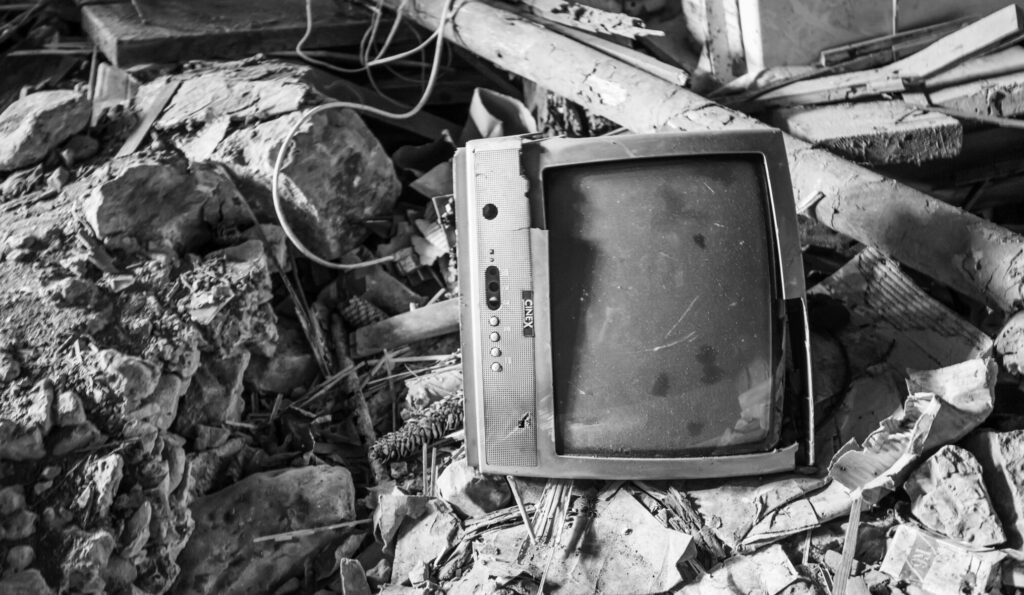
The first step is securing your environment before anything happens. Large furniture such as televisions, shelves, and cabinets should be anchored to walls. Heavy or breakable items should be stored on lower shelves so they cannot fall and cause injury.
Another key step is learning how to respond during shaking. Experts recommend Drop, Cover, and Hold On. Drop to your hands and knees to avoid being knocked over. Cover your head and neck under sturdy furniture such as a table or desk. Hold on until the shaking stops. This method is widely recommended because falling objects cause many earthquake injuries.
Families should also practice this response regularly. In a real earthquake, there is no time to think through each step carefully. Practice helps the body react automatically under stress.
Preparation should also include a family emergency plan. Everyone in the household should know where to meet if separated. Communication systems may fail during disasters, so having a clear meeting point is essential.
An emergency supply kit is also important. This should include water, non perishable food, medication, a flashlight, batteries, a phone charger, and a whistle. These items can become critical if people are trapped or services are disrupted.
Some households also consider earthquake insurance, especially in high risk regions. While it does not prevent damage, it can reduce financial loss after a disaster.
When an earthquake happens, immediate action is crucial. If you are indoors, stay inside and follow Drop, Cover, and Hold On. Do not run outside during shaking, as falling debris is often more dangerous than staying indoors.
If you are in a vehicle, pull over safely and stay inside until the shaking stops. Avoid stopping near bridges, tunnels, or tall structures.
A common myth is that doorways are the safest place during an earthquake. In modern buildings, doorways are no stronger than other parts of the structure. The safest place is under sturdy furniture that can protect you from falling objects.
After the shaking stops, danger is not over. Aftershocks, which are smaller earthquakes, can follow minutes, hours, or even days later. These can still cause damage to weakened structures.
If you are inside a damaged building, exit carefully once it is safe. Move away from buildings, glass, and anything that could fall. Stay in an open area until conditions are secure.
If you become trapped, try to stay calm. Cover your mouth to avoid dust inhalation. Tap on pipes or walls to signal your location, or use a whistle if available. Sending a text message may also work when calls do not.
If you are near the ocean, move quickly to higher ground after the shaking stops. Underwater earthquakes can trigger tsunamis, which can arrive rapidly and with little warning.
Avoid re entering damaged buildings until authorities confirm they are safe. Structures may look stable but could collapse during aftershocks. Always follow instructions from emergency services through radio, TV, or mobile alerts.
If helping others, prioritize safety. Do not move heavy debris alone, and wear protective gear such as gloves and sturdy shoes during cleanup or rescue efforts.
Earthquakes are powerful and unpredictable, but science shows that survival is possible with preparation and the right response. Understanding how tectonic plates move and practicing safety steps can greatly reduce risk.
When the ground begins to shake, the key is simple. Stay calm, act quickly, and protect yourself. With preparation and awareness, you can significantly improve your chances of staying safe during one of nature’s most powerful events.