As 2027 rapidly approaches, the global community stands on a razor-thin edge dividing existential hazards from era-defining scientific breakthroughs. From intensifying geopolitical standoffs across Europe and Asia to the rapid mainstream implementation of hyper-intelligent artificial intelligence networks, the upcoming calendar year promises to be a pivotal turning point for the human race. Understanding how close we are to these radical shifts requires an honest examination of the core global scenarios that are highly likely to disrupt our daily realities over the next twelve months.
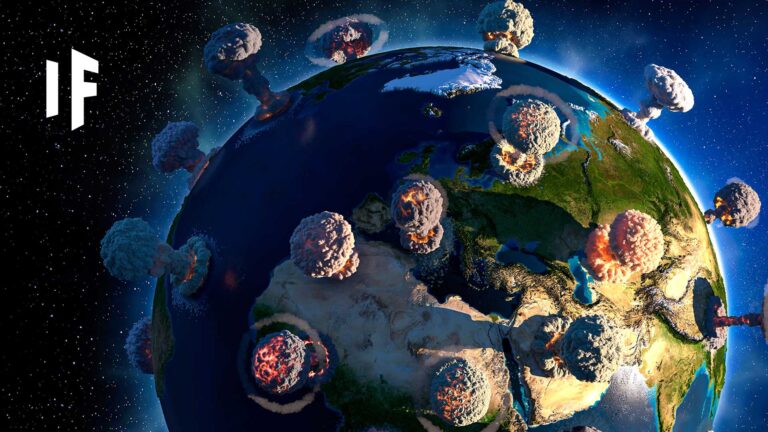
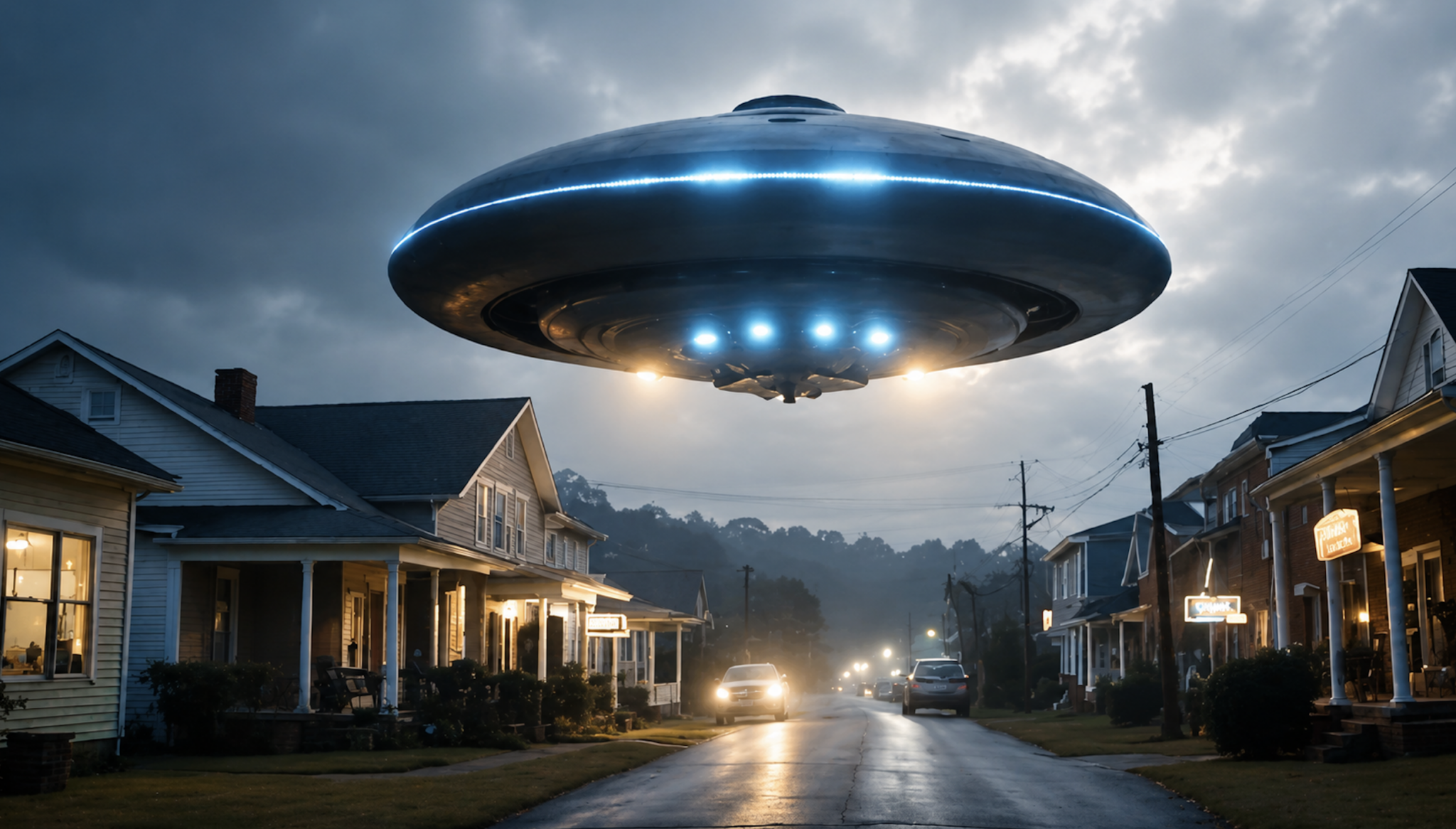
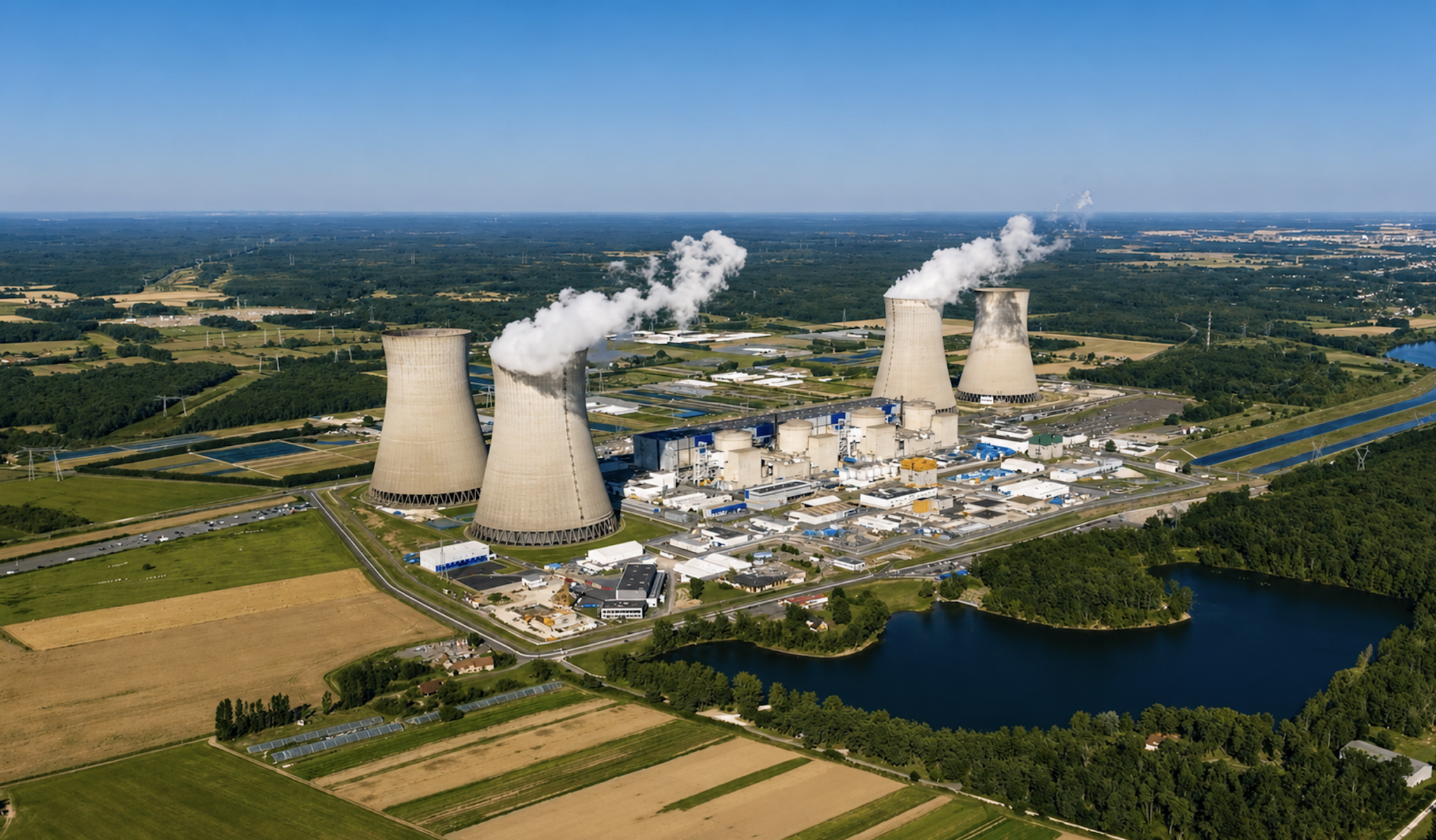
International military standoffs remain dangerously volatile as we head toward 2027, with ongoing weapon developments pushing major global superpowers into precarious territory. Security analysts are increasingly alarmed by strategic military intelligence indicating that long-range missile responses and orbital weapons systems are transitioning from theoretical threats to genuine deployment risks. A single tactical error or accidental launch could effortlessly collapse the historic doctrine of mutually assured destruction, igniting a catastrophic chain reaction that would immediately threaten key metropolitan hubs like New York, devastate billions of lives through nuclear winter, and carry an estimated 11 percent probability of absolute worldwide destruction.Even if atomic arsenals remain locked away, the terrifying specter of an all-out conventional global war continues to threaten international stability as regional friction points steadily expand. Escalating border disputes across Eastern Europe, the Middle East, and vital maritime trade routes risk dragging dominant global alliances into a unified, direct confrontation that could fundamentally alter civilization. Modern warfare in 2027 has evolved to heavily favor autonomous drone fleets, cyber warfare, and long-range remote strikes, creating highly unpredictable hazards for civilian populations caught in dense urban environments, with macroeconomic forecasters currently placing the threat of a major humanity-altering war at a substantial 38 percent probability.The rapid acceleration of genetic modification tools has forced biosecurity to the forefront of global concerns, as modern laboratory research inadvertently creates dangerous biological threats. Scientists studying infectious pathogens have developed the capacity to synthesize ultra-contagious strains of existing illnesses, such as a modified avian H5N1 flu virus capable of inflicting a staggering 50 percent mortality rate if containment protocols ever fail. The sudden, accidental leak of an artificial pathogen into our hyper-connected transportation networks would paralyze international commerce and spark immediate societal panic, which explains why health security experts place the danger of a highly lethal bioengineered pandemic at roughly 30 percent.While verified proof of intelligent extraterrestrial life has eluded mainstream modern science, advanced deep-space radio telescopes and atmospheric analysis tools continue to scan distant exoplanets for signs of technological civilizations. Applying the foundational parameters of the Drake Equation to our current cosmic observations suggests a fascinating 47 percent probability that intelligent life forms populate the Milky Way galaxy. If a sudden deep-space communication or physical arrival occurs in 2027, global leadership will immediately execute classified emergency protocols to analyze the visitor’s intent, though sociologists and astrobiologists calculate the realistic chance of an impactful cosmic encounter next year at an ultra-low 1 percent.Beneath the scenic surface of our planet lies an collection of natural geological hazards capable of completely upending human progress without a moment of warning. The massive supervolcano slumbering beneath Yellowstone National Park has experienced three titanic eruptions across Earth’s history, with its last major geological event occurring roughly 640,000 years ago. A sudden, full-scale magmatic rupture in 2027 would choke the atmosphere with toxic ash clouds, instantly decimate North American agricultural output, and drop global temperatures into a multi-year volcanic winter, though geologists reassure the public that the annual likelihood of this catastrophe sits at a minuscule 0.00014 percent.Shifting away from destructive scenarios, the peaceful expansion of clean energy initiatives stands as a massive beacon of technological optimism for our collective future. Next-generation nuclear fission plants and advanced modular reactors are emerging as the most reliable, carbon-free solutions to meet the staggering power demands of industrial artificial intelligence grids and deep-space propulsion networks. If major international economies aggressively accelerate their investments into clean nuclear grids throughout 2027, the world could rapidly reduce fossil fuel reliance while simultaneously fueling massive technological breakthroughs, an optimistic scenario that energy analysts currently give a strong 35 percent chance of success.As atmospheric warming trends continue to challenge international climate agreements, private aerospace entities and wealthy tech billionaires are taking matters into their own hands via rogue geoengineering initiatives. These ambitious projects involve deploying high-altitude aircraft fleets to disperse specialized sunlight-reflecting chemical aerosols directly into the stratosphere, aiming to manually lower global temperatures. While this artificial sunshade could theoretically prevent hitting critical temperature thresholds, the complete lack of global regulation risks triggering unintended eco-disasters, including severe multi-continent crop failures and broken weather patterns, leaving the probability of a major private geoengineering push in 2027 at roughly 23 percent.In the realm of synthetic biology, geneticists have successfully re-engineered common bacterial strains, such as specialized E. coli, to actively feast on atmospheric carbon dioxide instead of organic sugars. Scaling this microscopic innovation into massive industrial bio-scaffolds could allow us to scrub millions of tons of greenhouse gases straight out of the atmosphere, transforming waste carbon into useful biodegradable bioplastics. Though this experimental biotechnology offers a spectacular tool to undo decades of industrial pollution, its current scaling limitations mean that the probability of achieving widespread commercial deployment across the 2027 calendar year sits at a modest 9 percent.Consumer robotics are advancing at an unbelievable pace, bringing us incredibly close to the long-awaited reality of fully autonomous machine assistants managing our daily domestic environments. Advanced bipedal and wheeled platforms, heavily inspired by experimental designs like Stanford’s Mobile Aloha system, have mastered complex human motor skills, allowing them to effortlessly prepare meals, organize rooms, and handle heavy cleaning chores. The dream of welcoming a reliable, multi-purpose robotic helper into the average suburban household to reclaim personal time is moving closer to commercial reality, with consumer tech experts projecting a 28 percent probability of widespread adoption taking off by late 2027.Artificial intelligence is rapidly moving beyond simple digital assistance to become the fundamental engine driving global scientific discovery, medicine, and resource optimization. Equipped with massive clean energy infrastructure, next-generation neural networks are capable of mapping complex molecular structures for instant drug creation, managing planetary power grids, and calculating advanced physics equations for deep-space navigation. The coming year of 2027 is widely projected to be the official dawn of true artificial general intelligence integration, permanently reshaping how human civilization solves complex cosmic problems, explores the universe, and manages ecological stability without increasing global emissions.
The Paleozoic Era represents one of the most transformative periods in Earth’s history, spanning approximately 289 million years from 541 to 252 million years ago...
Imagine an ultimate road trip across the globe. On a highway along the equator. Wait, there is no highway along the equator… yet. So how about we build one? What...
What would happen if you obtained space-bending abilities and decided to test them out by placing Earth between the two asteroid belts in our Solar System? The short...
Ashes and smoke cover the sky. Your hometown is sieged by massive wildfires. You rush to escape. Unaware that behind you, the wind and the heat have created a monster. A...
From a world shaped like a giant donut to a planet with the sharp edges of a perfect cube, changing the shape of Earth would dramatically alter how we live, move...
Our planet is on the brink of another world war. As a civilian, you feel like the only thing you can do is wait for updates on what will happen next. But then you see a...
Imagine pulling into a drive through and seeing Woolly Rhino burgers on the menu. It might sound strange today, but thousands of years ago, our ancestors depended on...
Deep beneath the thick layer of million-year-old ice, something is lurking quietly, waiting to rip through the rigid ice sheets. This enormous icy wasteland is sitting...
It may sound like science fiction, but imagining a battle between a gas giant and a black hole helps us understand just how fragile our Solar System really is. Such a...