






Top 10 Things Invented By NASA We Use Everyday

10. Computer Mice The computer mouse is one of the most familiar tools in modern computing, but its origins trace back to NASA related research in the 1960s. Engineers working on space communication systems were searching for more intuitive ways to interact with computers. During this period, NASA explored several experimental interfaces, including the light pen and early tracking devices. Eventually, the mouse concept proved to be the most practical solution for precise control. This innovation later spread beyond aerospace and became a global standard in personal computing, shaping how billions of people use technology every day across offices, homes, and schools.
9. Baby Formula In the 1980s, NASA was studying microalgae as a potential food source for astronauts on long duration space missions. This research focused on creating nutrient rich and sustainable food systems in space environments. Scientists discovered that certain algae contained essential compounds that supported human development. This research eventually contributed to the development of Formulaid, a supplement used in baby nutrition. It is designed to support brain and vision development in infants by replicating key nutrients found in natural sources. What began as space food research ultimately helped improve early childhood nutrition on Earth in a surprising and lasting way.
8. Modern Golf Clubs In 1992, NASA researchers experimenting with advanced materials discovered a vitrified metal that was twice as strong as titanium. This material later became known as Liquidmetal, a highly durable alloy with exceptional strength and flexibility. While originally intended for aerospace applications, its unique properties quickly attracted attention from commercial industries. One of the earliest consumer uses of this technology appeared in modern golf clubs, where precision and strength are essential for performance. The material allowed for improved swing efficiency and durability, showing how space age materials can unexpectedly reshape sports equipment design and performance.
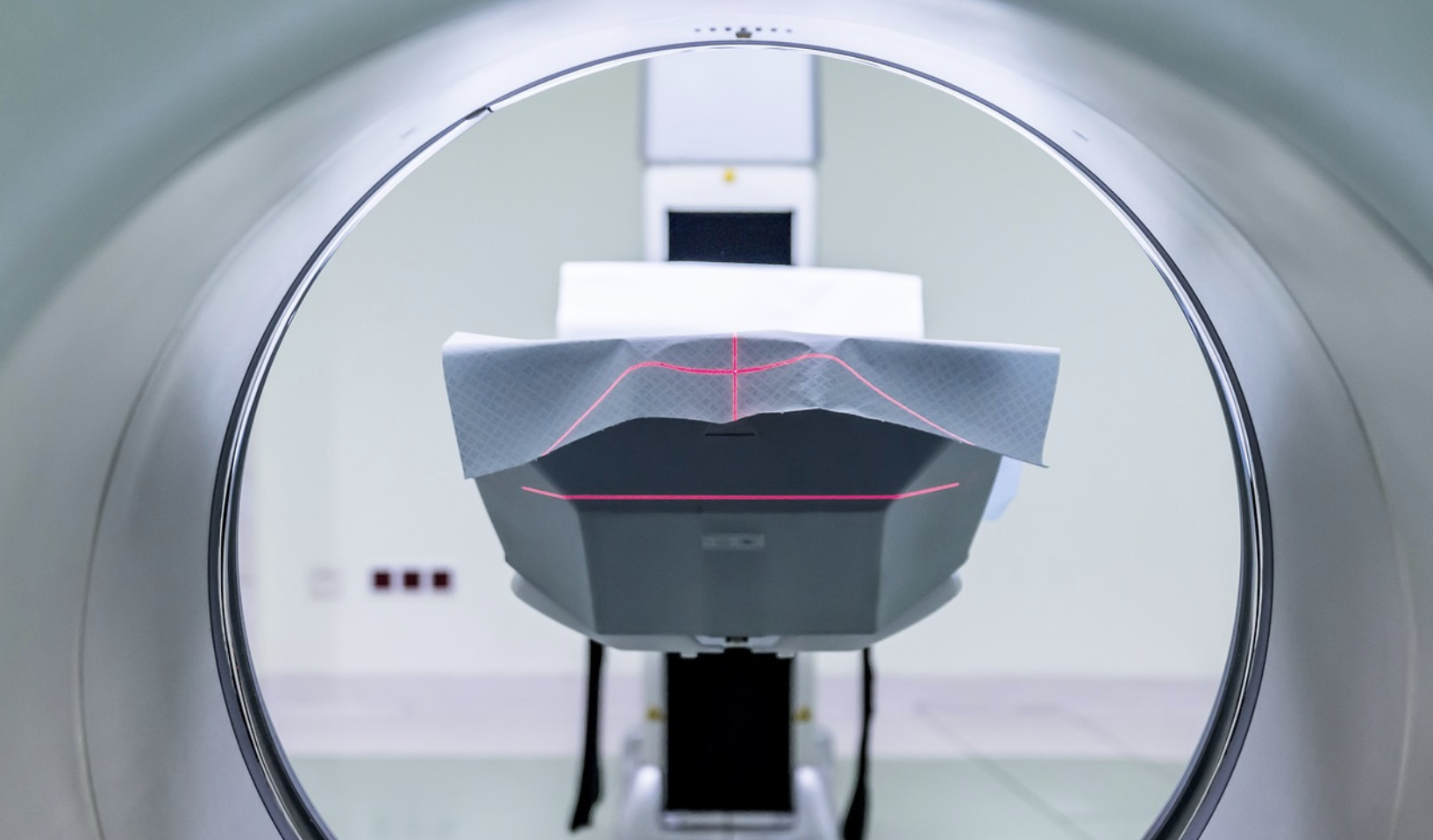
7. MRI and CAT Scans During the Apollo missions, NASA developed advanced digital signal processing techniques to enhance images of the Moon collected by spacecraft. These systems helped convert raw space data into clear and usable visual information. Over time, this technology found an unexpected application in the medical field. Engineers and researchers adapted similar methods to improve image reconstruction in CAT scans and MRI machines. This allowed doctors to produce far more detailed internal images of the human body. What began as lunar exploration technology ultimately became a cornerstone of modern diagnostic medicine and saved countless lives worldwide.
6. Comfortable Running Shoes In the 1970s, NASA engineers developed rubber molding techniques originally used in astronaut helmet padding to improve safety and comfort. This material was designed to absorb impact and reduce stress during space travel. A former NASA engineer later adapted this technology for consumer use and pitched the idea to Nike. This innovation helped inspire early Nike Air trainers, which used cushioning systems designed for shock absorption and performance. Over time, this technology evolved into modern athletic footwear, providing runners with improved comfort, energy return, and injury protection. What began as space safety engineering now supports athletes around the world.
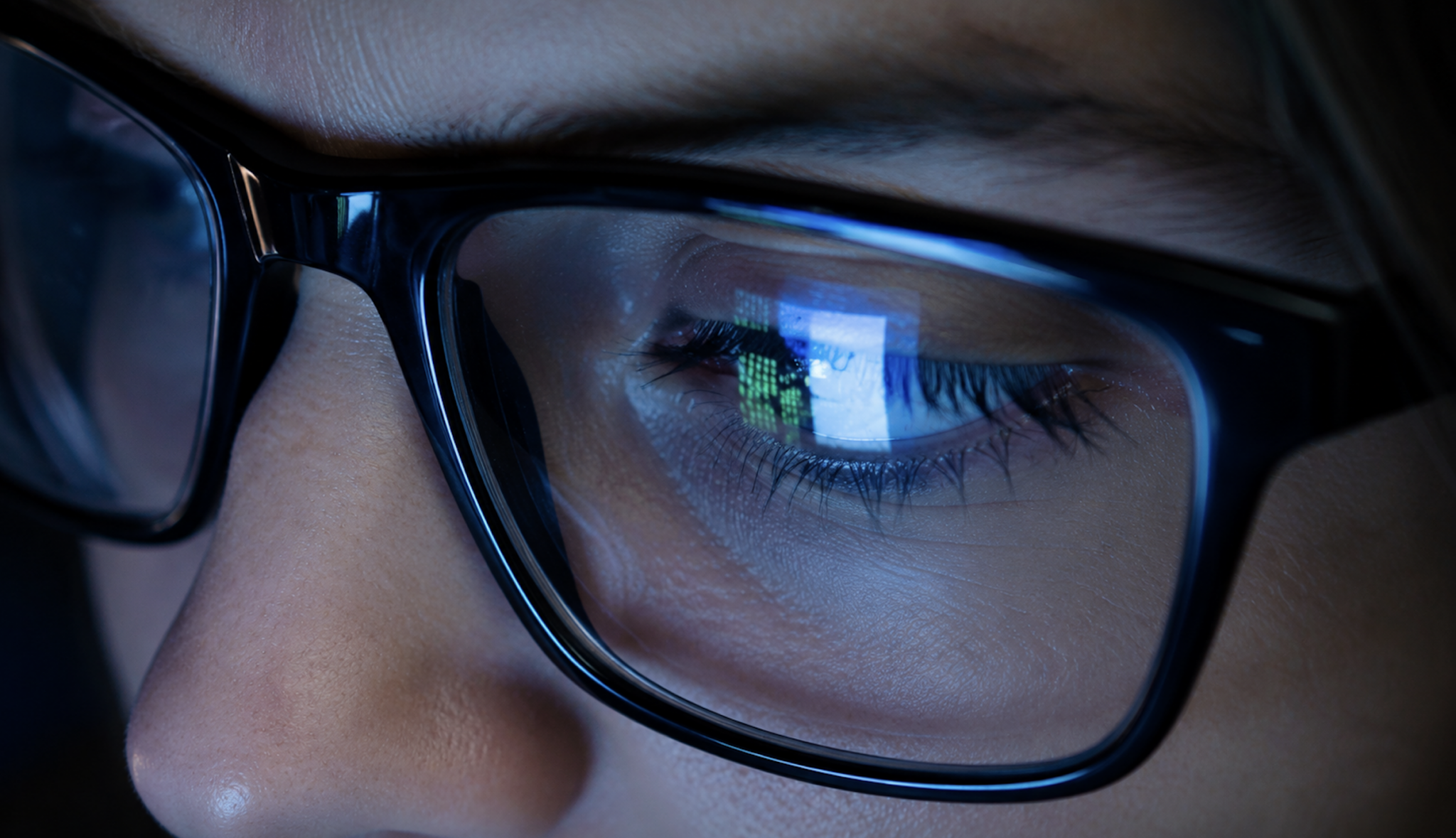
5. Scratch Resistant Lenses In the 1970s, shatter resistant plastic lenses became popular, but they still had one major problem, they scratched easily. NASA researchers working on protective coatings for space equipment developed a solution by creating scratch resistant treatments for optical materials. This technology was later shared with eyewear manufacturers, who applied it to consumer glasses. The result was significantly more durable lenses that maintained clarity even after extended use. This innovation improved everyday vision care and made eyewear more reliable. Today, most modern lenses benefit from advancements that trace back to NASA’s work in protecting instruments used in extreme space environments.
4. Water Filters NASA needed a reliable way to provide clean drinking water for astronauts aboard spacecraft, leading to the development of advanced filtration systems in the 1970s. These systems used iodine based purification methods to remove harmful bacteria and ensure safe consumption during long missions. The same technology was later adapted for Earth based use, including water treatment plants and portable filtration devices. By improving water safety standards, NASA’s research helped reduce contamination risks in both remote and urban environments. Today, variations of this system are still used in public water infrastructure and emergency purification systems around the world.
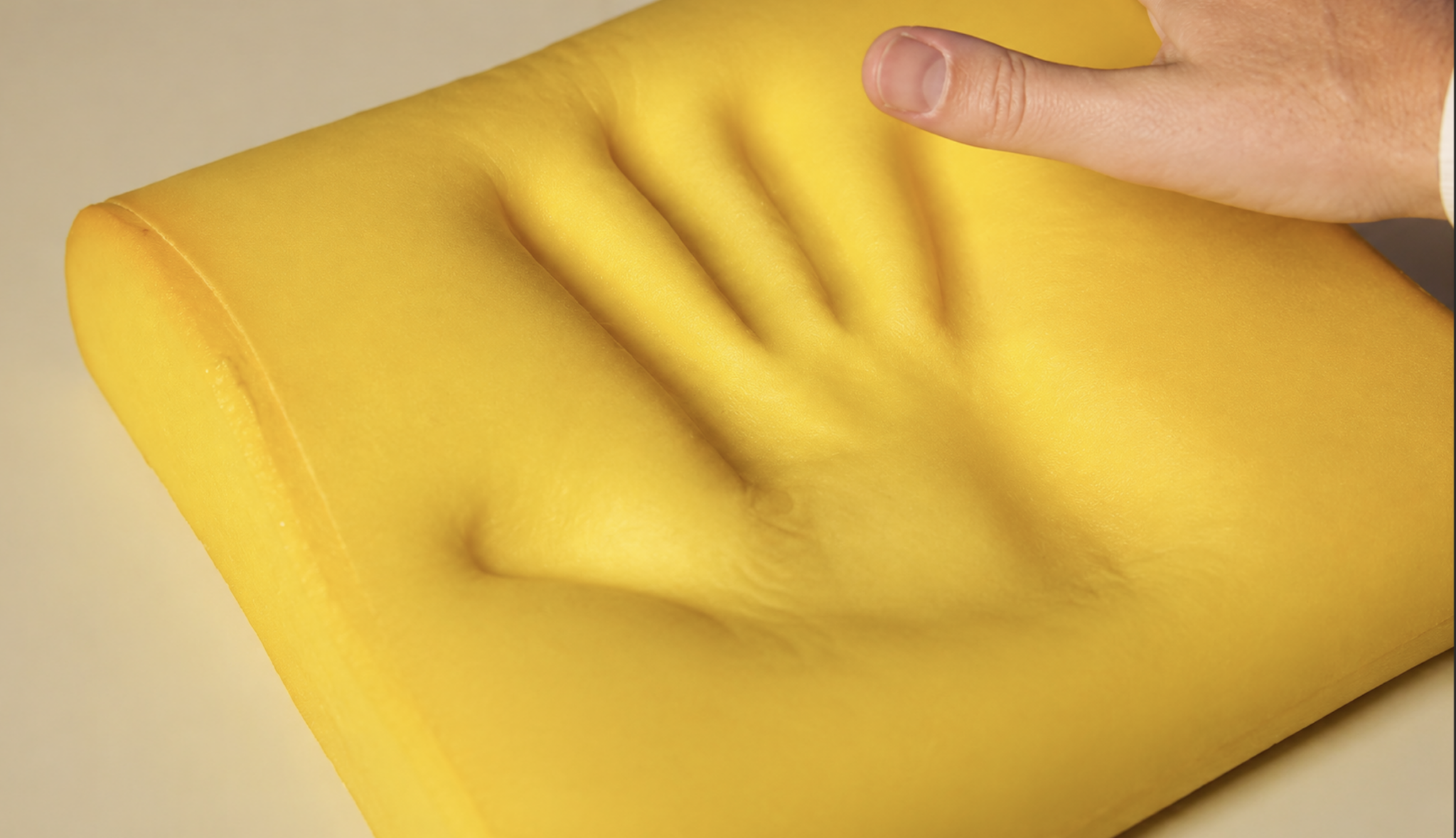
3. Memory Foam In the early 1960s, NASA developed a special cushioning material designed to improve crash protection for astronauts during takeoff and landing. This material, originally called temper foam, was engineered to absorb pressure and evenly distribute impact forces. While it was not widely used in spacecraft, engineers soon discovered its potential in other industries. It was later adapted into memory foam, which responds to body heat and pressure. Today, it is commonly found in mattresses, pillows, and airline seating. What began as astronaut safety research has become one of the most widely used comfort materials in the world.
2. Safer Highways NASA engineers developed grooved pavement technology to improve aircraft landing safety by reducing hydroplaning on wet runways. These grooves help channel water away from surfaces, increasing tire traction during landings. The same design principle was later applied to highways and roads around the world. By improving grip and reducing skidding in wet conditions, grooved pavement significantly lowered accident risks. This innovation has since become a standard safety feature in transportation infrastructure, helping drivers maintain control during rainstorms and extreme weather. A technology originally designed for spacecraft landing support now plays a key role in everyday road safety.
1. Cell Phone Cameras NASA developed compact, high quality digital imaging systems to capture detailed photos of Earth and space without bulky equipment. These miniaturized camera technologies were essential for spacecraft where size and weight were critical limitations. Over time, the same innovations influenced the development of consumer digital cameras and smartphone imaging systems. Today, a significant portion of modern cell phone camera technology is based on NASA inspired advancements in image sensors and processing. This evolution made high quality photography accessible to billions of people worldwide, transforming how we capture and share everyday life.
Subscribe
Notify of

0 Comments
Most Voted
Newest Oldest
Inline Feedbacks
View all comments