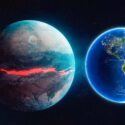
Life on Earth began in one of the most mysterious processes in science, occurring roughly 4.5 billion years ago when the planet was still forming and extremely hostile. Oceans of molten rock cooled into primitive seas filled with methane, ammonia, hydrogen, and water vapor. In this chaotic environment, chemical reactions may have gradually produced simple organic compounds. Over time, these compounds formed amino acids and self replicating molecules, eventually leading to the first primitive life forms and setting the stage for everything that exists today.
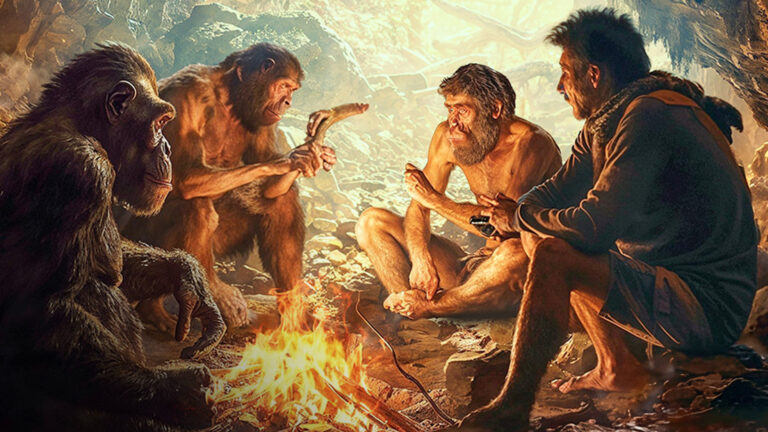
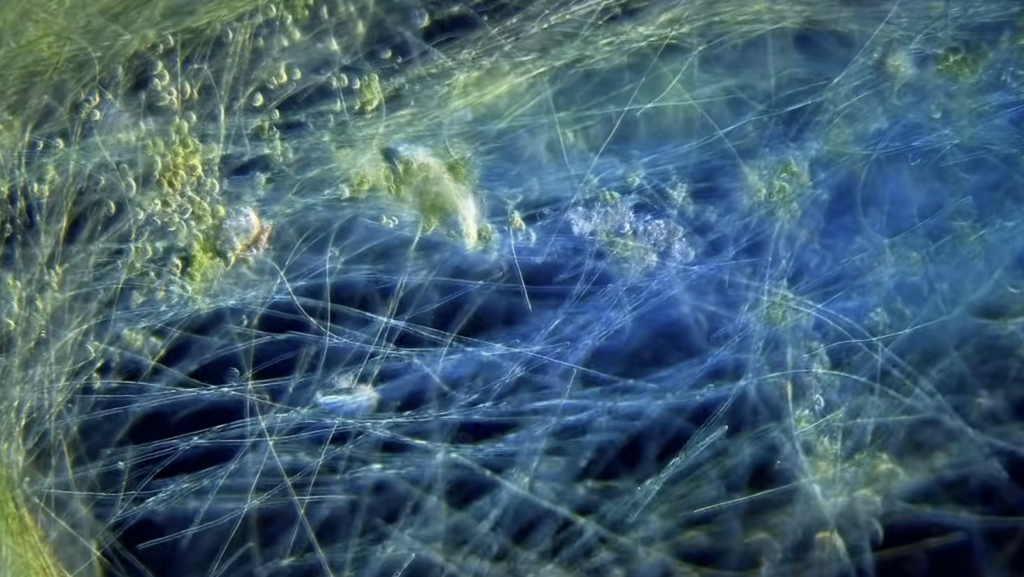
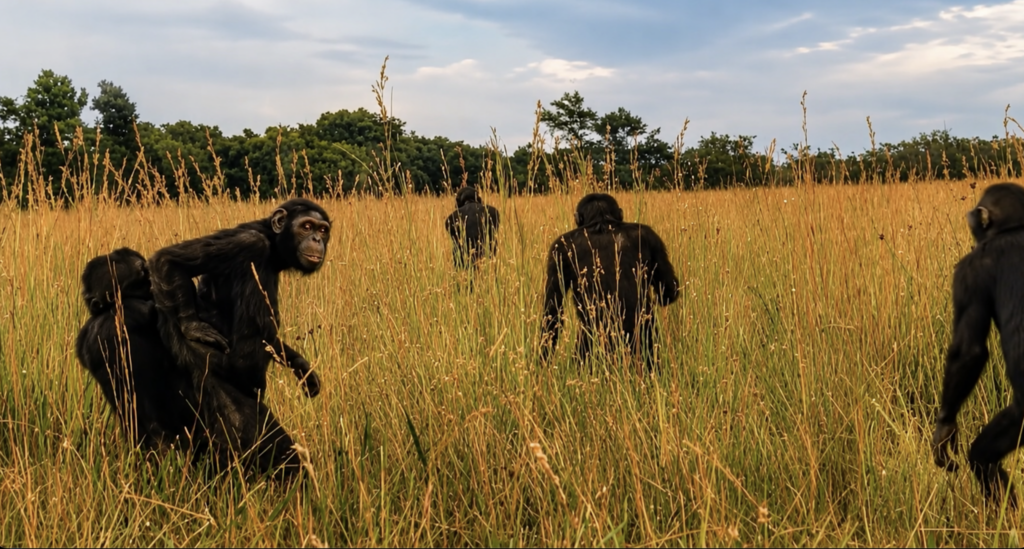
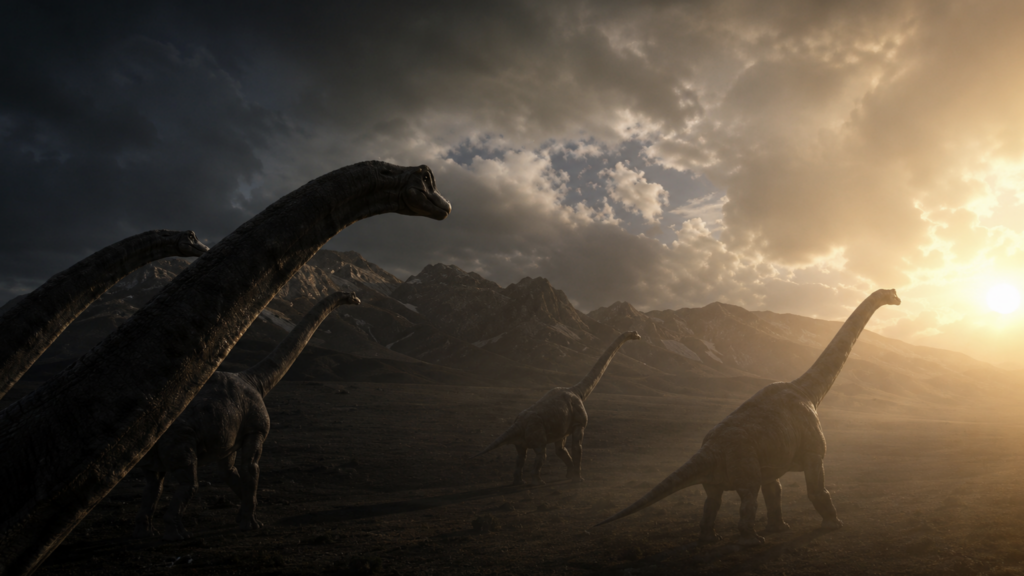
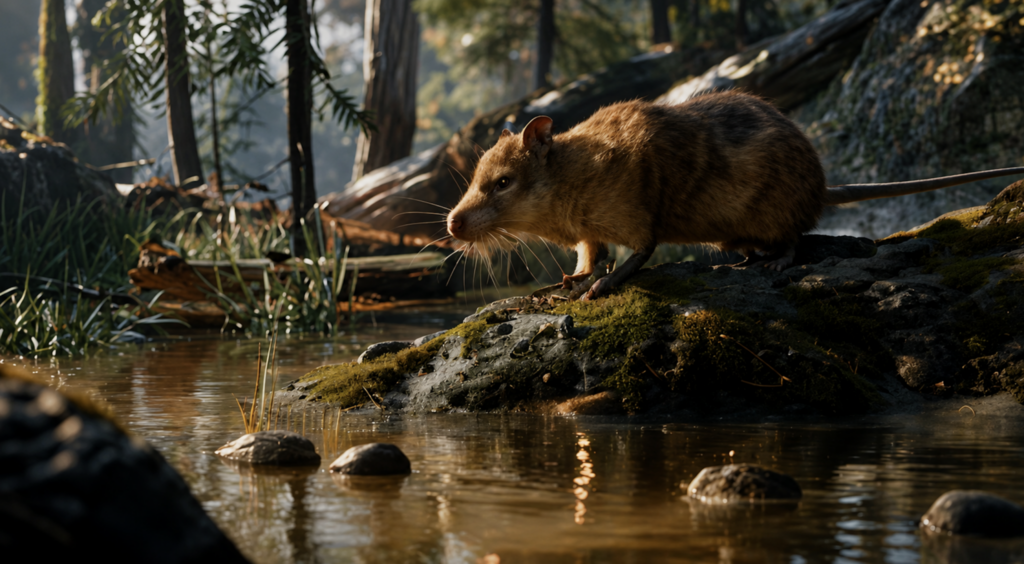
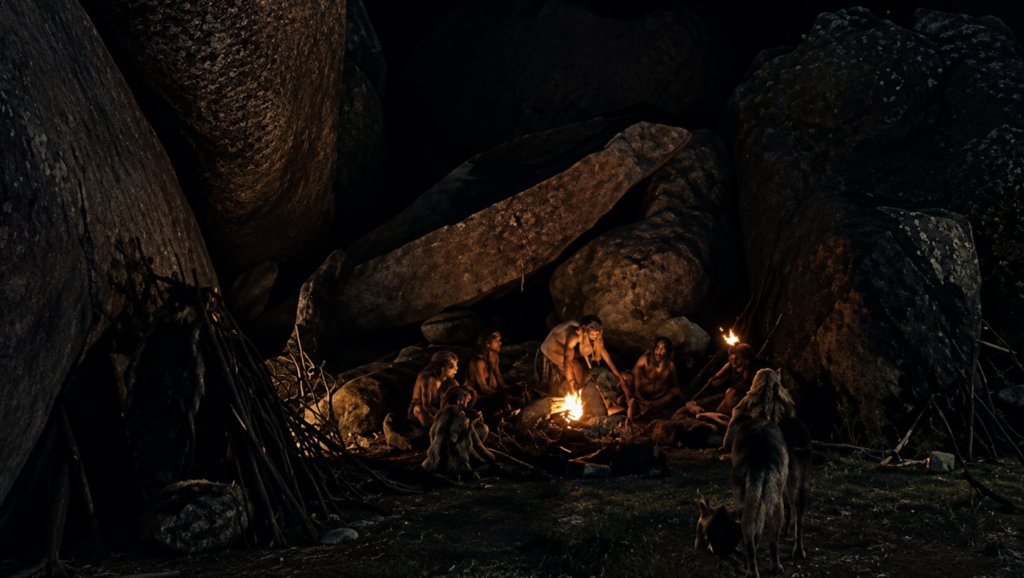
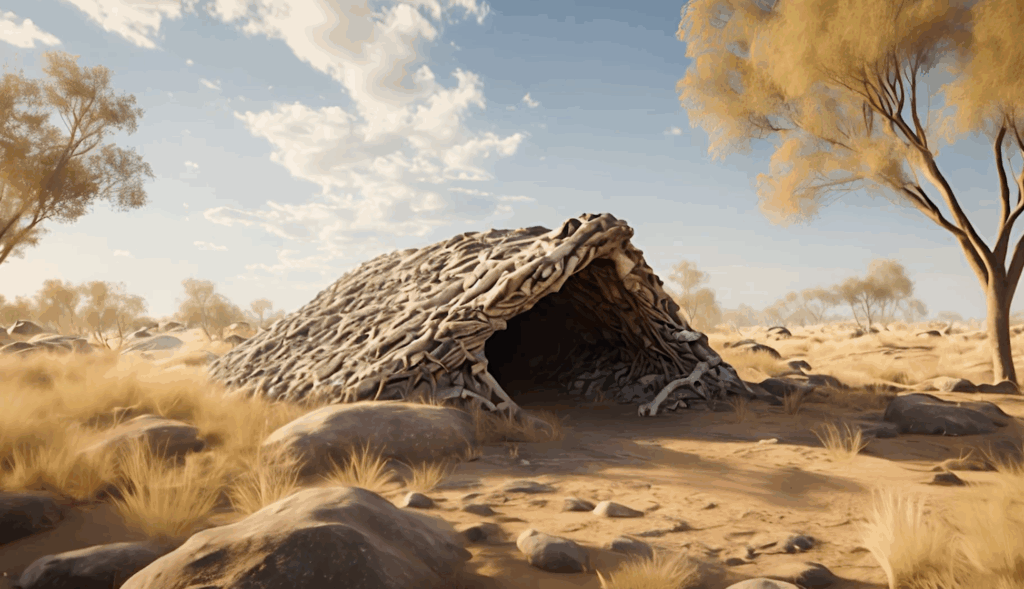
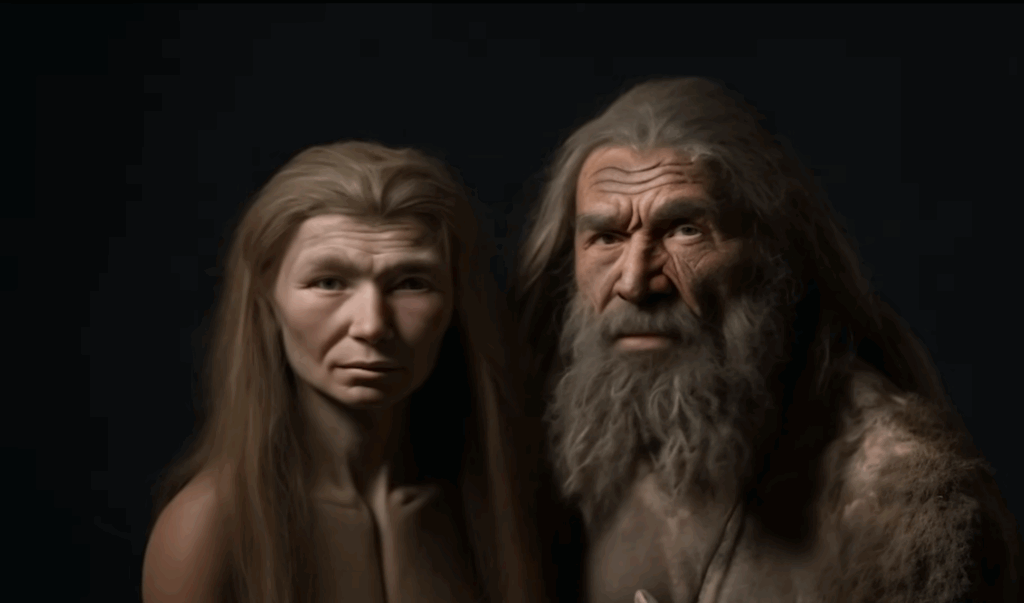
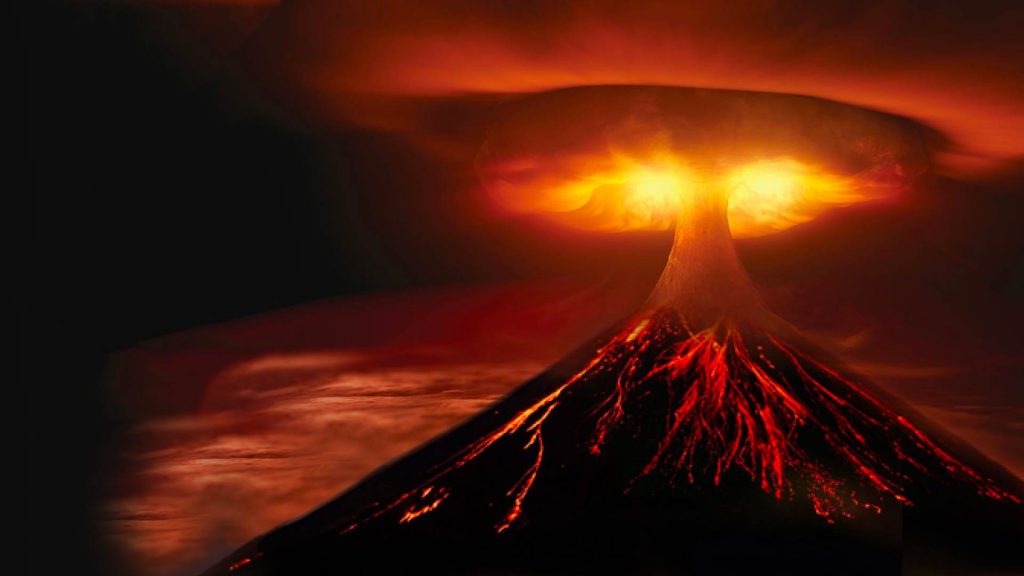
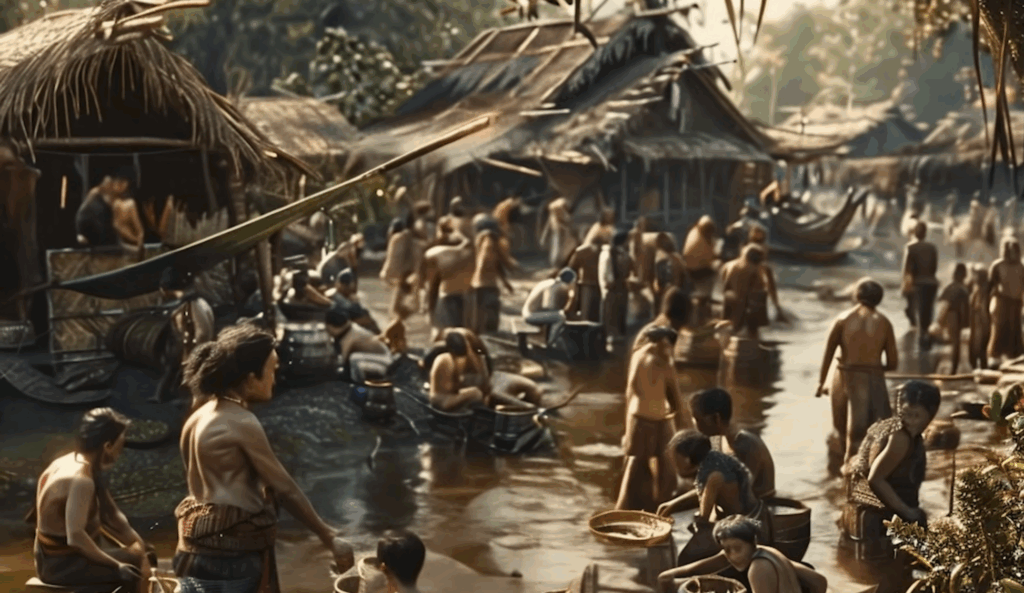
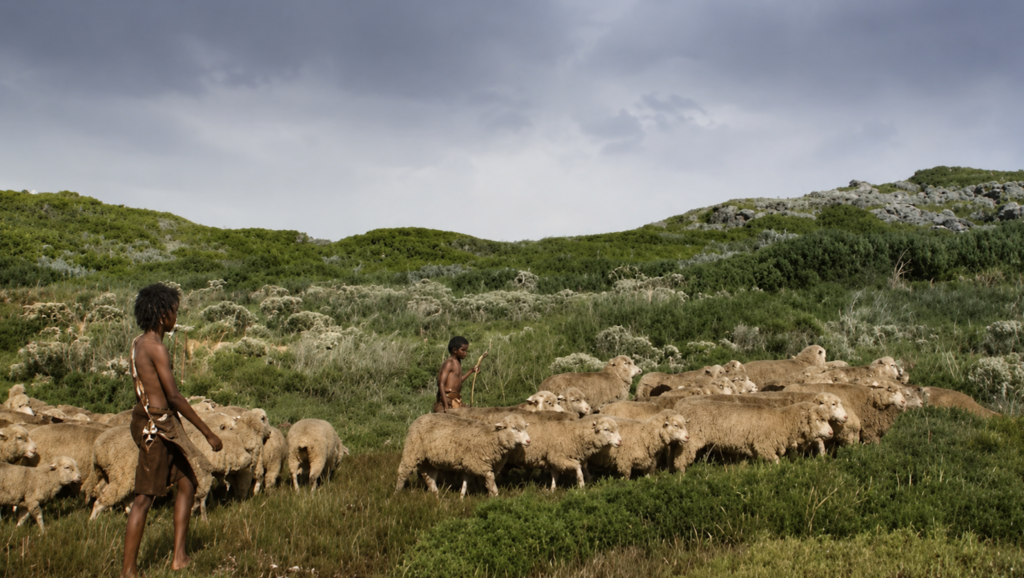
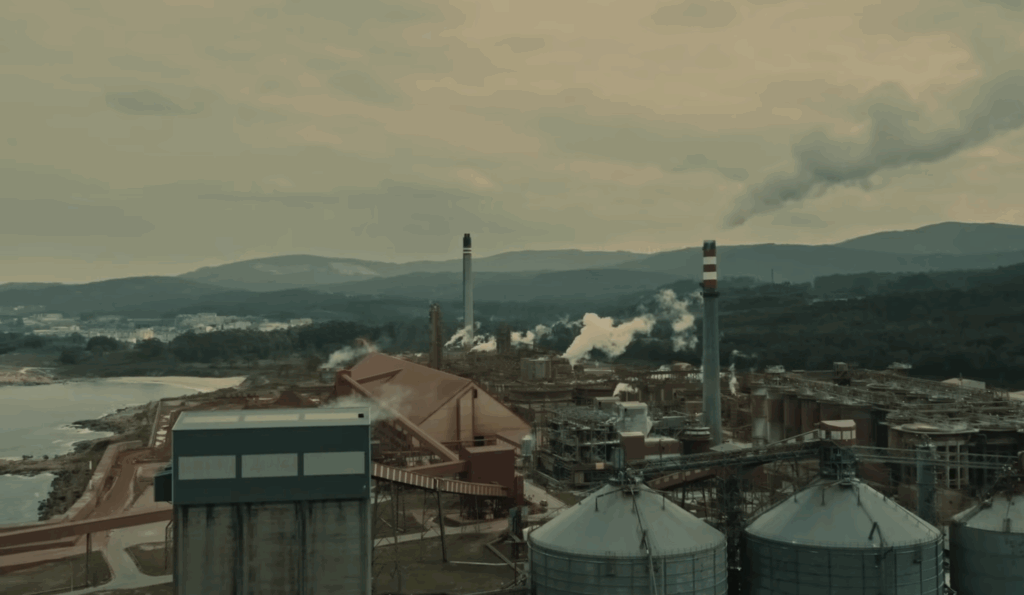
Early Earth had almost no oxygen in its atmosphere, making it completely uninhabitable for complex life as we know it. The air was dominated by gases such as carbon dioxide, nitrogen, and methane. From these early conditions emerged LUCA, the Last Universal Common Ancestor, a microscopic organism considered the shared origin of all life on Earth. This simple life form represents the earliest known branch point from which all living organisms eventually evolved over billions of years, shaping the entire tree of life we see today. Genetic studies indicate that this resilient ancestor laid the groundwork for all future biological complexity.By around 1 billion years ago, Earth’s oceans were already home to some of the most important organisms in planetary history: cyanobacteria. These microscopic life forms played a critical role in transforming Earth’s environment through oxygenic photosynthesis. Over long periods of time, they released vast amounts of oxygen into the oceans and atmosphere, gradually reshaping the planet’s chemistry. This slow but powerful process, known as the Great Oxygenation, fundamentally changed Earth’s habitability and made it possible for complex life to eventually evolve and thrive in oxygen rich environments. Without this massive atmospheric shift, multicellular life might never have emerged.Around 550 million years ago, Earth experienced an extraordinary evolutionary event known as the Cambrian Explosion. In a relatively short geological period, a vast number of complex animal species suddenly appeared in the oceans. These organisms developed diverse body plans, sensory systems, and survival strategies, leading to rapid ecological expansion. Many major animal groups alive today trace their origins to this period. It was a turning point that permanently shaped the structure of life on Earth and introduced complex food chains. This burst of biological innovation filled ecological niches that had remained vacant for eons.About 66 million years ago, Earth was struck by a massive asteroid near present day Mexico. The impact released enormous energy, triggering wildfires, tsunamis, and a cloud of debris that blocked sunlight for months or even years. This sudden climate disruption caused the extinction of most dinosaurs and many other species. However, it also opened ecological opportunities for mammals. With dominant reptilian species gone, mammals began to diversify rapidly and expand into new environments across the planet. This devastating event completely reset the evolutionary trajectory of terrestrial life.Following the extinction of the dinosaurs, small mammals began to thrive and diversify around 40 million years ago. Freed from competition with large reptiles, they expanded into forests, plains, and trees. Among them were early primate ancestors, small tree dwelling creatures that fed on fruits, insects, and plants. Over time, their brains became more complex, and their ability to adapt improved significantly. These early primates slowly spread across continents, forming the evolutionary foundation for monkeys, apes, and eventually humans. Their arboreal lifestyle encouraged the development of keen depth perception and grasping hands.Between 8 and 6 million years ago, the evolutionary line that would eventually lead to humans began diverging from that of chimpanzees. This was not a sudden split but a long gradual process involving overlapping populations and occasional interbreeding. Early hominins such as Australopithecus began to emerge, combining tree climbing abilities with upright walking. These adaptations marked a major shift in human evolution, setting the stage for increased brain development, tool use, and more complex survival behaviors. Walking on two legs freed their hands for gathering food and carrying objects across vast distances.Around 2.6 million years ago, early humans such as Homo habilis began using simple stone tools. These tools were used for cutting meat, breaking bones, and accessing marrow, providing a significant survival advantage. This marked an important cognitive leap, as toolmaking required planning and problem solving skills. Early humans still faced extreme dangers from predators and environmental challenges, but tool use helped improve efficiency in obtaining food and surviving harsh conditions. This technological milestone represents the very beginning of human material culture.By about 800,000 years ago, humans learned to control fire, one of the most important breakthroughs in human history. Fire provided warmth, protection from predators, and the ability to cook food, which increased its nutritional value. Cooking also made food easier to chew and digest, leading to changes in human anatomy over time, including smaller jaws and teeth. Fire allowed early humans to survive in colder climates and dramatically expanded the range of environments they could inhabit. It also served as a social gathering point, fostering deeper community bonds.Around 400,000 years ago, early humans such as Homo heidelbergensis began constructing simple shelters instead of relying solely on caves. These populations spread across Africa and Eurasia and eventually gave rise to Neanderthals and Denisovans. Fossil evidence shows gradual improvements in skull shape, facial structure, and body proportions. These changes reflect both environmental adaptation and increasing cognitive abilities, marking another important step toward modern human anatomy and behavior. Building artificial structures allowed these groups to survive outside naturally occurring rock formations.By 200,000 years ago, modern Homo sapiens began to appear in Africa. Early human populations were small, scattered, and faced constant threats from predators, disease, and climate variability. Despite this, humans developed stronger social structures and communication skills. Cooperation became essential for survival, and intelligence began to play a greater role in adaptation. These traits allowed Homo sapiens to gradually outcompete other hominin species and expand their presence across the planet. Their sophisticated language skills gave them an unprecedented advantage over rivals.Around 74,000 years ago, a massive volcanic eruption caused severe global climate disruption, leading to a dramatic reduction in human populations. It is believed that only a few thousand individuals may have survived this catastrophe. Harsh environmental conditions forced humans to adapt quickly, changing migration patterns and survival strategies. Some groups increasingly relied on coastal resources. This bottleneck may have increased genetic diversity and driven innovation in tools and social behavior. The extreme pressure of this climate crisis forced survivors to become highly resourceful.By 60,000 years ago, humans began migrating out of Africa and spreading across Asia, Australia, and eventually other continents. These journeys were made possible by changing climates and lower sea levels that exposed land bridges. During this expansion, humans encountered and sometimes interbred with other hominin species such as Denisovans. Migration allowed the spread of technology, culture, and genetic diversity, establishing humans as a truly global species for the first time in history. This relentless movement demonstrated the incredible adaptability of the human spirit.Around 12,000 years ago, humans transitioned from hunting and gathering to farming. This Agricultural Revolution allowed the cultivation of crops and domestication of animals, creating stable food supplies. As a result, populations grew and permanent settlements emerged. Villages developed into more complex societies with trade and social organization. This shift marked the beginning of civilization and laid the foundation for cities, governments, and written communication systems. It fundamentally altered the human relationship with the natural landscape.Just 250 years ago, the Industrial Revolution dramatically transformed human society. The introduction of steam engines, mechanized factories, and new technologies revolutionized production and transportation. People moved into rapidly growing cities, and global trade expanded at an unprecedented rate. Scientific and technological progress accelerated, leading to advances in medicine, communication, and engineering. This era laid the foundation for the modern industrialized and interconnected world we live in today. It also initiated unprecedented changes in the planetary environment.
The Paleozoic Era represents one of the most transformative periods in Earth’s history, spanning approximately 289 million years from 541 to 252 million years ago...
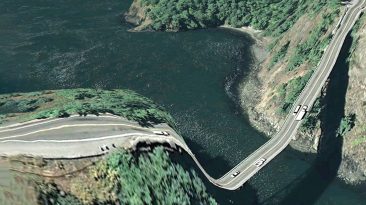
Imagine an ultimate road trip across the globe. On a highway along the equator. Wait, there is no highway along the equator… yet. So how about we build one? What...
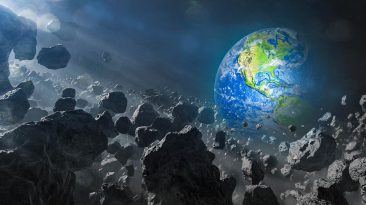
What would happen if you obtained space-bending abilities and decided to test them out by placing Earth between the two asteroid belts in our Solar System? The short...
Ashes and smoke cover the sky. Your hometown is sieged by massive wildfires. You rush to escape. Unaware that behind you, the wind and the heat have created a monster. A...
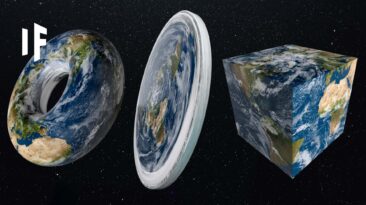
From a world shaped like a giant donut to a planet with the sharp edges of a perfect cube, changing the shape of Earth would dramatically alter how we live, move...
Our planet is on the brink of another world war. As a civilian, you feel like the only thing you can do is wait for updates on what will happen next. But then you see a...
Imagine pulling into a drive through and seeing Woolly Rhino burgers on the menu. It might sound strange today, but thousands of years ago, our ancestors depended on...
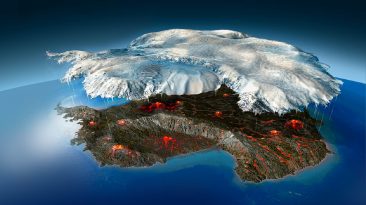
Deep beneath the thick layer of million-year-old ice, something is lurking quietly, waiting to rip through the rigid ice sheets. This enormous icy wasteland is sitting...
It may sound like science fiction, but imagining a battle between a gas giant and a black hole helps us understand just how fragile our Solar System really is. Such a...