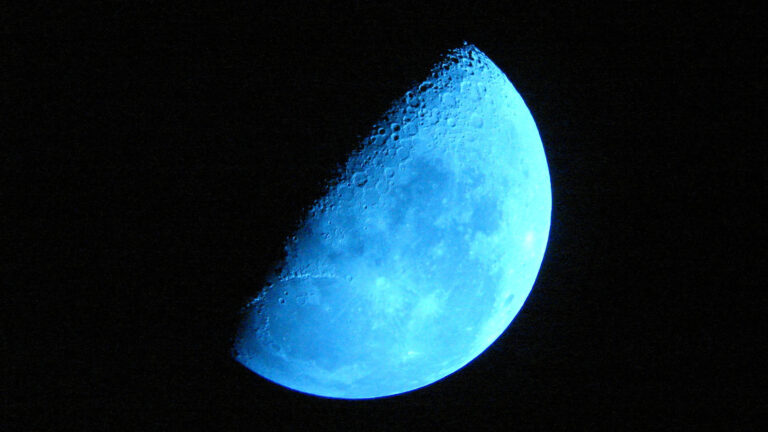
Imagine waking up one night and realizing the Moon is simply gone. No warning, no impact, no trace. Just an empty sky where Earth’s closest companion used to be. At first, the change might feel subtle. Nights would be darker, quieter, and unfamiliar. But the real consequences would go far beyond what we see in the sky.
The Moon is not just a bright object above us. It is one of the main forces shaping life on Earth. Its gravity pulls on our oceans every single day, creating the tides that define coastlines around the world. When the Moon tugs on Earth, water shifts toward it, creating high tides in some regions and low tides in others.
These tidal movements are not just about water levels. They influence marine ecosystems, coastal climates, and even human activity. Surfers depend on tides to shape wave quality. At high tide, waves often break more smoothly because deeper water reduces friction with the ocean floor. At low tide, waves break more sharply and unpredictably as the seabed becomes more exposed.
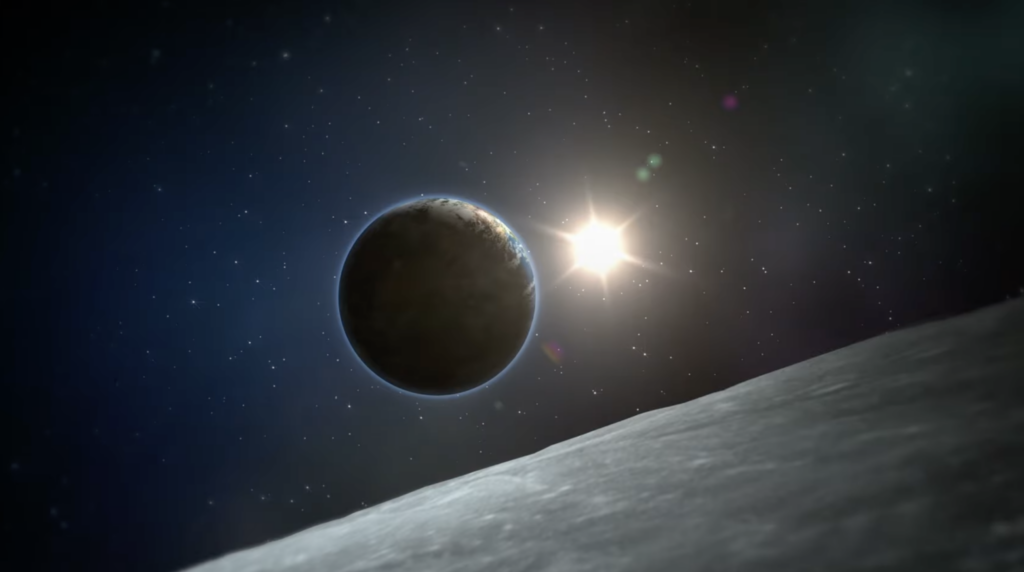
The Moon also plays a much larger role in stabilizing Earth itself. Its gravitational influence helps keep our planet tilted at a relatively steady angle of about 23.5 degrees. That tilt is what gives us predictable seasons, allowing climates to remain stable enough for agriculture, ecosystems, and human civilization to thrive.
Without the Moon, that balance would begin to break down. Earth would not remain as steady on its axis. Instead, it would wobble more dramatically over time, leading to unpredictable shifts in climate patterns. But the first visible change would not take millions of years. It would start almost immediately with our day night cycle.
Without the Moon slowing Earth’s rotation over billions of years, our planet would gradually spin faster again. A full day could shrink to only six to eight hours. That means sunrise and sunset would happen much more frequently, and the rhythm of life would be completely disrupted.
Faster rotation would also mean extreme weather. Winds could reach speeds of up to 480 kilometers per hour, powerful enough to reshape entire landscapes. Flying creatures like birds and insects would struggle to survive in such conditions. Only organisms close to the ground or deeply sheltered would stand a chance in the long term.
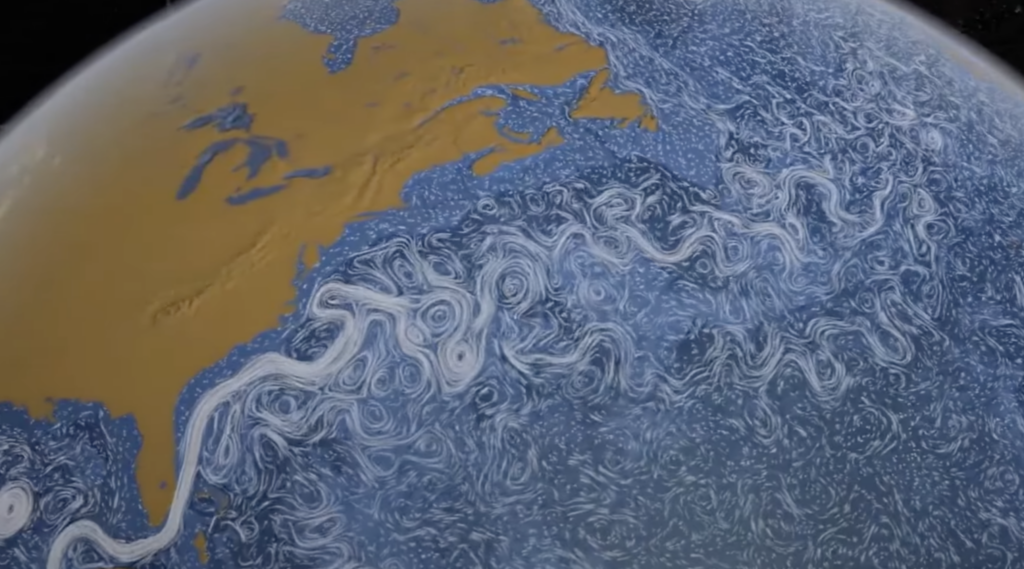
Oceans would also undergo dramatic changes. Without the Moon driving strong tidal forces, marine circulation would weaken and reorganize. Tides would still exist, but they would be powered mainly by the Sun, making them far weaker than what we experience today.
At first, the sudden loss of lunar gravity could trigger chaotic ocean movement. Water masses would shift dramatically as the system tries to rebalance itself. This could lead to massive coastal flooding and destructive wave activity in the early stages of transition.
Over time, ocean currents would settle into a new and less stable pattern. Heat distribution across the planet would change, with equatorial regions becoming hotter and polar regions becoming colder. This imbalance would affect weather systems across the entire globe.
Marine ecosystems would suffer heavily. Many species rely on stable currents to distribute nutrients and oxygen through the oceans. Without those currents functioning properly, entire food chains could collapse, leading to mass extinction in marine environments.
On land, climate instability would become even more severe. Without the Moon stabilizing Earth’s tilt, gravitational influences from the Sun and other planets would have a greater effect. Earth’s axis could shift more dramatically over time, changing the angle at which sunlight hits different regions of the planet.
This would result in extreme seasonal changes. Some regions could experience permanent winters, while others face intense heat waves. Agriculture would become nearly impossible in many parts of the world. Crop failure would spread as ecosystems struggle to adapt to constant environmental shifts.
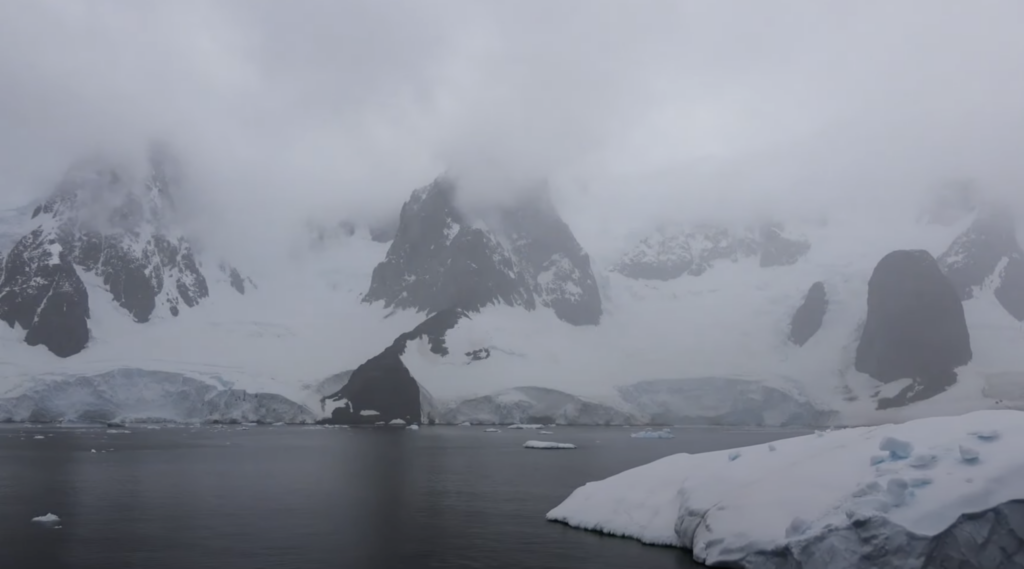
In the worst case, Earth could enter long periods of glaciation, where ice spreads far beyond the polar regions. Vast portions of the planet could become uninhabitable, forcing life to concentrate in narrow zones near the equator where conditions remain relatively stable.
Even though it might seem like a distant and unlikely scenario, the Moon’s presence is essential for keeping Earth stable, predictable, and livable. Its absence would not just change the night sky. It would reshape the entire planet.
So the next time you look up and see the Moon glowing above Earth, it is worth remembering that it is not just decoration in the sky. It is one of the reasons our world works at all.