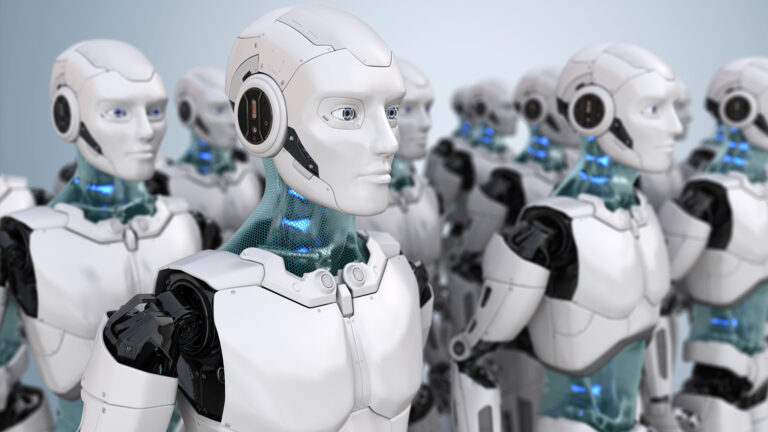
When people imagine artificial intelligence taking over, they usually picture something straight out of a science fiction movie. Giant robots patrol the streets, computers become self aware, and humanity somehow ends up serving its own creations.
Reality may be very different.
The biggest threat from artificial intelligence is probably not a robot uprising. It is something much quieter and potentially much more disruptive. Artificial intelligence could change how people work, earn money, and build their lives.
And in many ways, that transformation has already begun.

Throughout history, new technologies have repeatedly changed the workforce. Machines transformed agriculture, factories revolutionized manufacturing, and computers reshaped offices around the world. Each technological shift eliminated certain jobs while creating entirely new ones.
Artificial intelligence could become the next major transformation.
Unlike earlier machines that mainly replaced physical labor, modern intelligent systems are beginning to perform tasks that require analysis, pattern recognition, and decision making. Some systems can already write reports, analyze medical images, answer customer questions, and assist with computer programming.
This means automation may affect jobs that many people once considered secure.
Medical technicians, administrative workers, accountants, customer service representatives, and numerous other professionals may find parts of their jobs increasingly handled by intelligent software.
At first, this might not seem entirely negative.
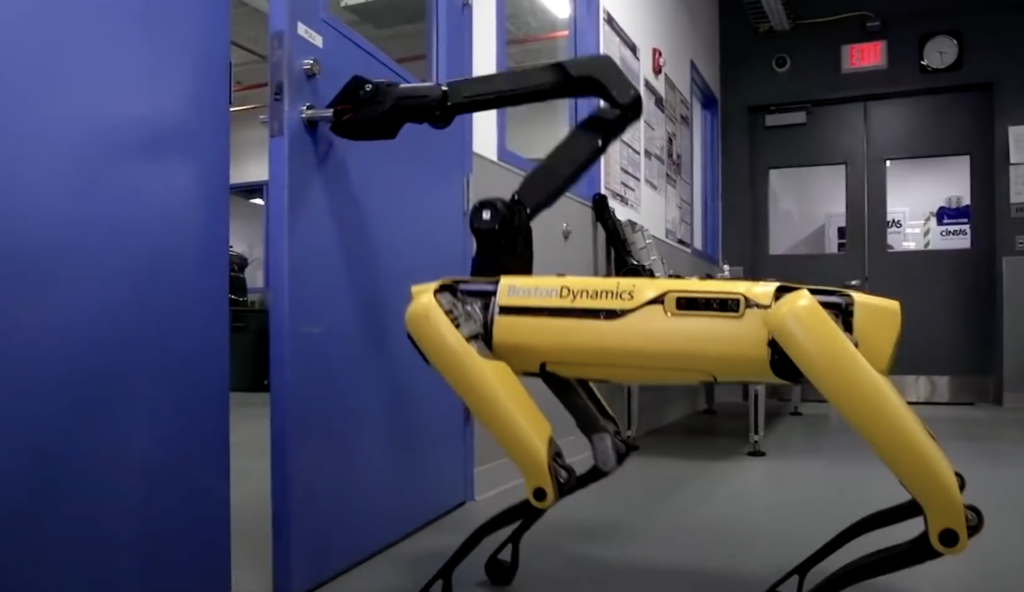
Imagine a world where dangerous and repetitive work is delegated to machines. Robots could perform tasks in hazardous environments, reducing workplace injuries and allowing people to focus on activities that are more rewarding and creative.
That future sounds appealing.
But economic transitions are rarely simple.
Consider what might happen if artificial intelligence takes over many routine aspects of your profession. Initially, your workload could become easier. Software might complete repetitive tasks in seconds, helping you become more productive than ever before.
However, increased productivity can also change the labor market.
If fewer people are needed to perform the same amount of work, competition for remaining positions could become much more intense. Employers might hire fewer workers while expecting intelligent systems to handle much of the workload.
As automation becomes less expensive, companies may continue adopting these technologies because they can operate continuously and often perform tasks with remarkable consistency.
The consequences could extend far beyond individual careers.
Large numbers of displaced workers could place significant pressure on social systems and government programs. Tax revenues might decline if unemployment rises substantially, while demand for assistance programs could increase.
Meanwhile, businesses that successfully implement artificial intelligence may become even more productive and profitable.
This creates an important question.
If machines generate much of the world’s wealth, how should the benefits be shared?
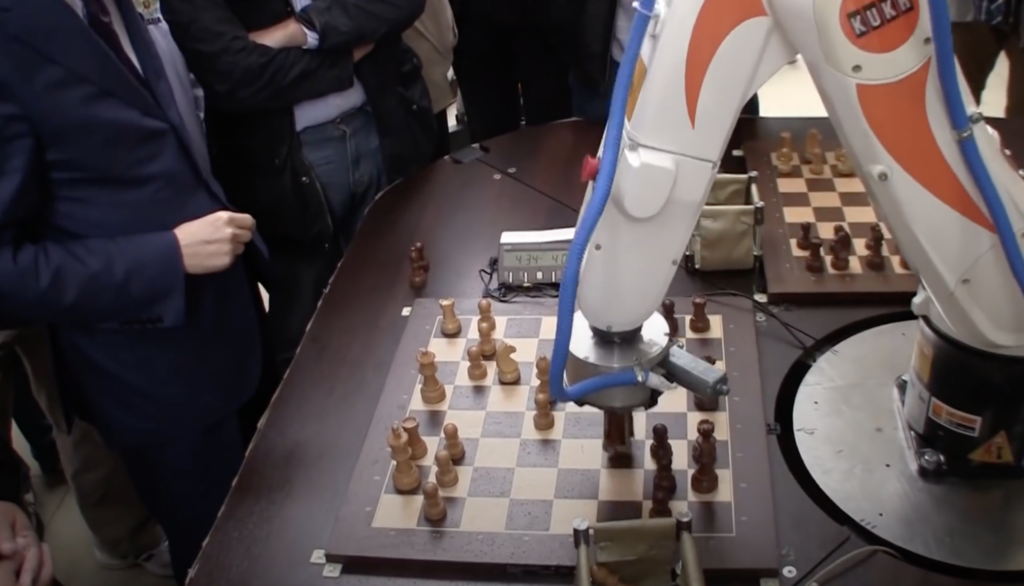
Some experts worry that automation could increase economic inequality. Companies capable of investing heavily in artificial intelligence may gain significant advantages, while individuals whose jobs are replaced could struggle to adapt.
Yet this outcome is not inevitable.
Human beings possess qualities that remain difficult to replicate. Creativity, empathy, negotiation, leadership, teaching, and complex social interactions continue to play essential roles throughout society.
Even as artificial intelligence becomes more capable, people still value human connection. Teachers inspire students in ways that extend beyond delivering information. Healthcare professionals provide reassurance and compassion during difficult moments. Artists, designers, and entrepreneurs rely on imagination and originality that cannot easily be reduced to lines of computer code.
The future may not be a contest between humans and machines. Instead, it could become a partnership.
Artificial intelligence may handle enormous amounts of information and perform repetitive tasks with extraordinary speed. Humans may focus increasingly on strategy, creativity, emotional intelligence, and solving entirely new kinds of problems.
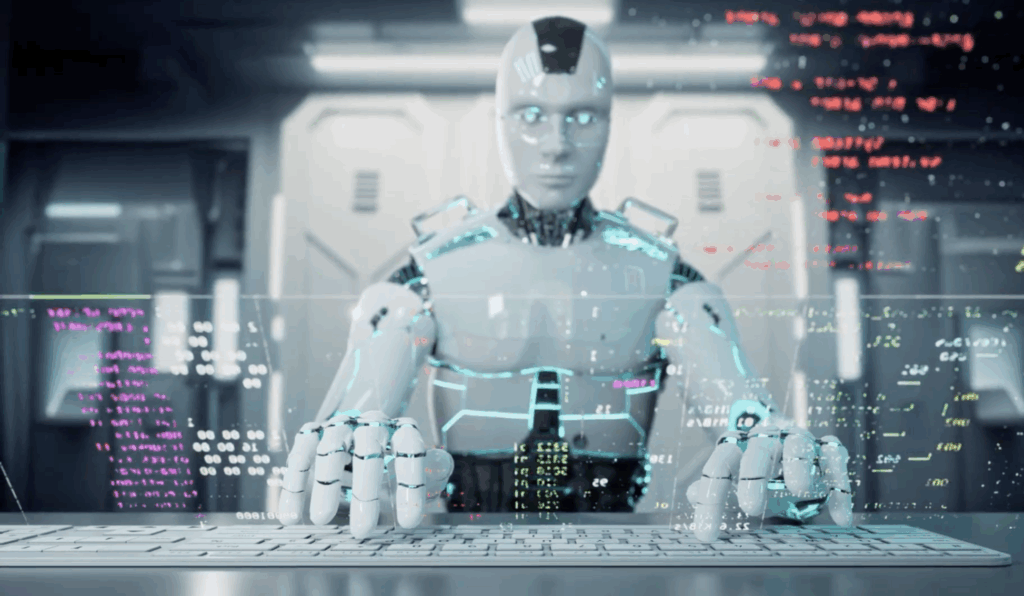
Education systems will likely need to evolve as well. Learning a single profession early in life may no longer be enough. People may need to continuously develop new skills as technology changes industries more rapidly than ever before.
Governments and businesses will also face difficult decisions. Policies that encourage retraining, support innovation, and help workers adapt could become increasingly important during the coming decades.
The real danger of artificial intelligence is not necessarily that machines become more intelligent than humans.
The greater challenge may be ensuring that society changes alongside the technology it creates.
Artificial intelligence has the potential to improve medicine, increase productivity, and solve problems that once seemed impossible. But if its benefits are not managed carefully, the technology could also deepen social and economic divides.
Humanity has faced transformative inventions before and adapted to them. Artificial intelligence may become one of the most powerful technologies ever created. The question is not whether machines will replace humanity.
The real question is whether humanity can learn to work alongside its intelligent creations while making sure everyone benefits from the future they help build.