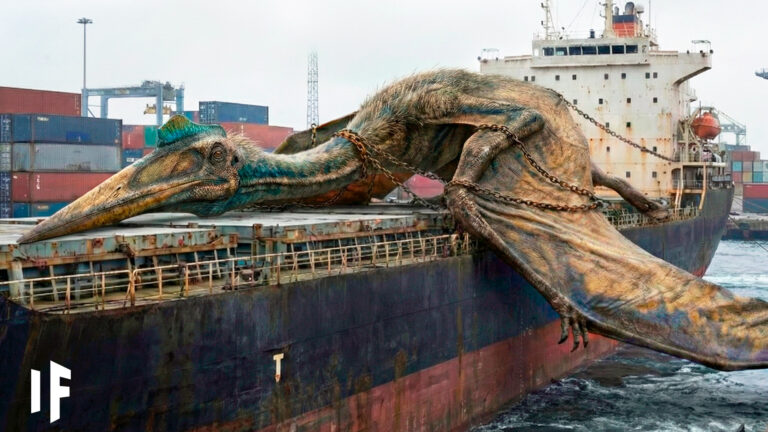
Imagine walking out of your office during lunch and suddenly noticing people staring at the sky. A massive shadow passes overhead. At first, you think it is a small airplane. Then it banks sharply and lands on top of a nearby building.
The creature folds its wings.
It is standing on the roof of a six story building, and its head still rises above the edge. A long pointed beak scans the streets below while pedestrians pull out their phones.
A forty foot wingspan predator has just arrived in your city.
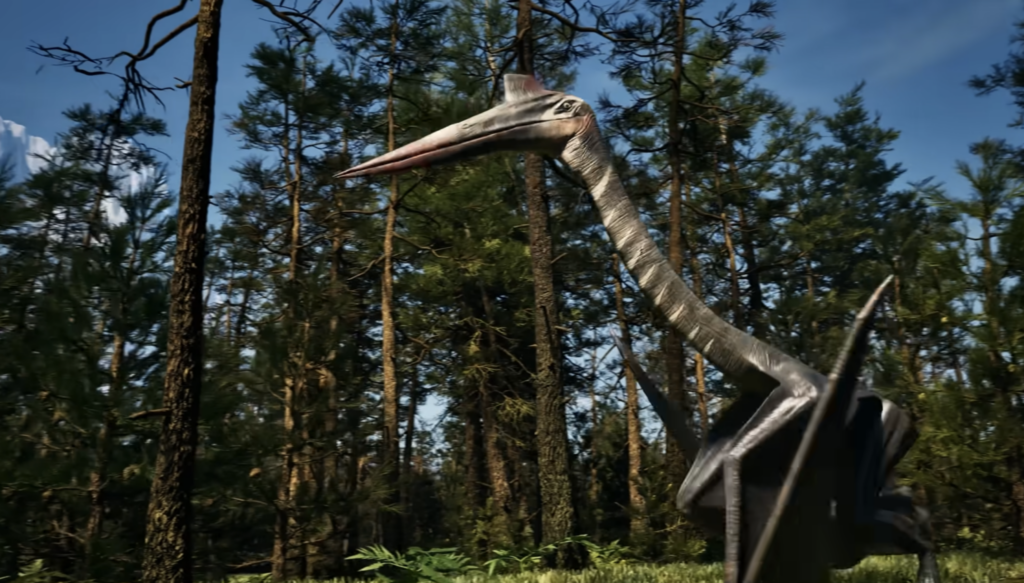
The first few weeks would be chaos.
Nobody would know exactly what the giant predator eats or how dangerous it is. Authorities would tell people to remain calm while scientists race to study the animal. Unfortunately, giant predators do not wait for research papers.
Cities are full of easy meals.
Rats, pigeons, squirrels, and stray animals would quickly become targets. Parks that once echoed with birdsong might suddenly fall silent. Urban wildlife populations would crash almost overnight.
At first, many people would celebrate. The giant creature is getting rid of pests.
Then it starts getting bolder.
The predator begins landing near outdoor restaurants. It wanders through parking lots and sports fields. Videos spread across social media showing people running while an enormous reptile strolls down city streets like it owns the place.
Children are no longer allowed to play outside unsupervised. Pet owners become paranoid. Every dog walk suddenly feels like a safari expedition.
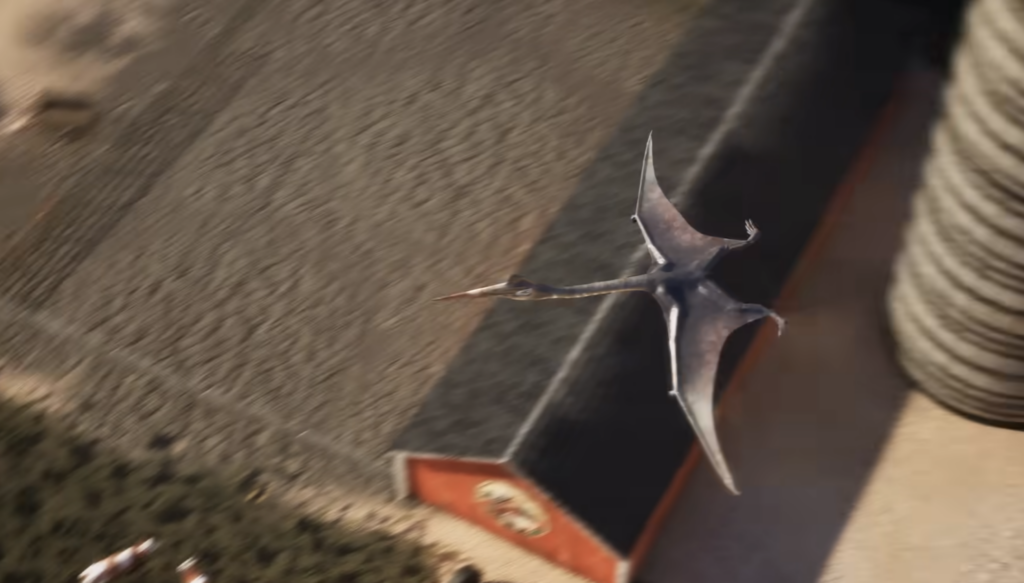
The biggest problem is that the animal can fly.
A dangerous bear can be avoided by staying away from forests. A shark remains in the ocean. But a giant flying predator could appear almost anywhere. It can soar above highways, rivers, and neighborhoods before landing without warning.
Cities would start changing rapidly.
Parks might install protective netting over playgrounds. Schools could add covered courtyards. Farmers markets and outdoor events would need overhead protection. Even sports stadiums might rethink how they operate if a forty foot predator occasionally circles overhead.
The economic effects would be enormous.
Tourism would explode in some places because people would want to see the creature. Other areas would suffer as visitors stay away. Insurance companies would suddenly have to answer questions nobody had ever considered.
Does home insurance cover damage caused by a giant flying reptile?
Meanwhile, scientists would become obsessed with understanding the animal. How does something that enormous fly? How much food does it need? How intelligent is it?
The answers might be unsettling.
A predator of this size would likely consume huge amounts of food. Cities, with their endless supply of animals and human activity, would become attractive habitats.
And then comes the moment everyone fears.
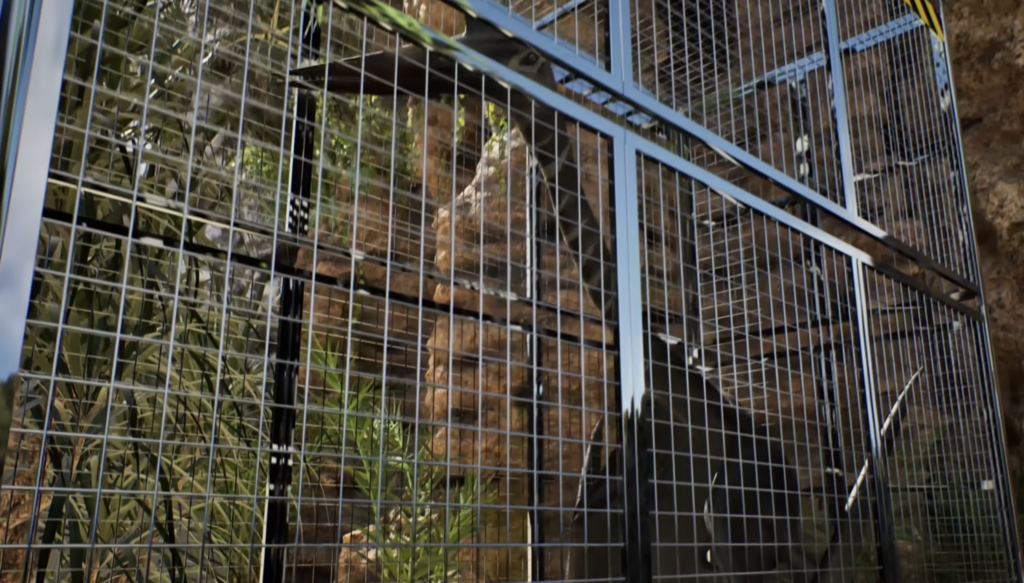
The creature loses its fear of people.
One day it lands in a crowded public space. Thousands of people panic and begin running in every direction. Emergency services arrive, but confronting an animal that stands nearly sixteen feet tall and can simply take off into the sky presents a challenge unlike anything modern cities have ever faced.
At that moment, humanity would realize something uncomfortable. We built our cities assuming that the largest predators on Earth would remain relatively small and predictable. We never designed our world for an airborne hunter with the wingspan of a small aircraft.
Eventually, people would adapt. Humans always do.
New laws would be introduced. Buildings would be redesigned. Entire industries would emerge around tracking and managing these creatures. Future generations might grow up considering giant flying predators a normal part of city life.
But even then, every time a massive shadow passed overhead, people would probably stop what they were doing and look up. Because deep down, our brains still remember something ancient.
When something enormous is circling above you, it is usually best to pay attention.