Hippos are among the most dangerous animals on Earth. They kill around 500 people every year across Africa, more than twice the number attributed to lions. Despite their bulky appearance and slow movement on land, they are highly territorial, fast over short distances, and capable of extreme aggression when threatened.
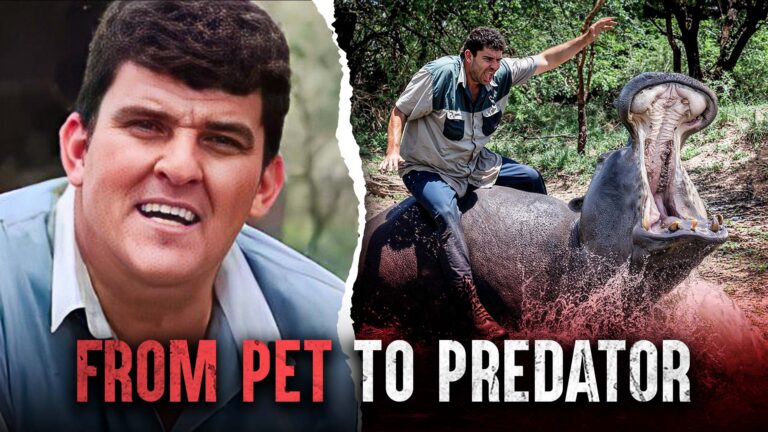
For South African farmer Marius Els, however, a hippo was not a threat at first. It was a companion. He raised a male hippopotamus named Humphrey after the animal was rescued as a five month old calf. Over time, Els treated Humphrey less like wildlife and more like a member of his family.
“They think you can only have a relationship with dogs, cats and domestic animals. But I have a relationship with the most dangerous animal in Africa,” he once said.
Humphrey lived on Marius’ property, where he was fed, trained, and allowed to roam freely in a man made lake built specifically for him. The bond between them appeared unusual but strong. Humphrey would respond to commands, open his mouth for tooth brushing, and even allow Marius to ride on his back in the water. At times, it looked like a bizarre friendship between man and beast.
But beneath that calm surface, nothing about a hippo is truly domesticated.
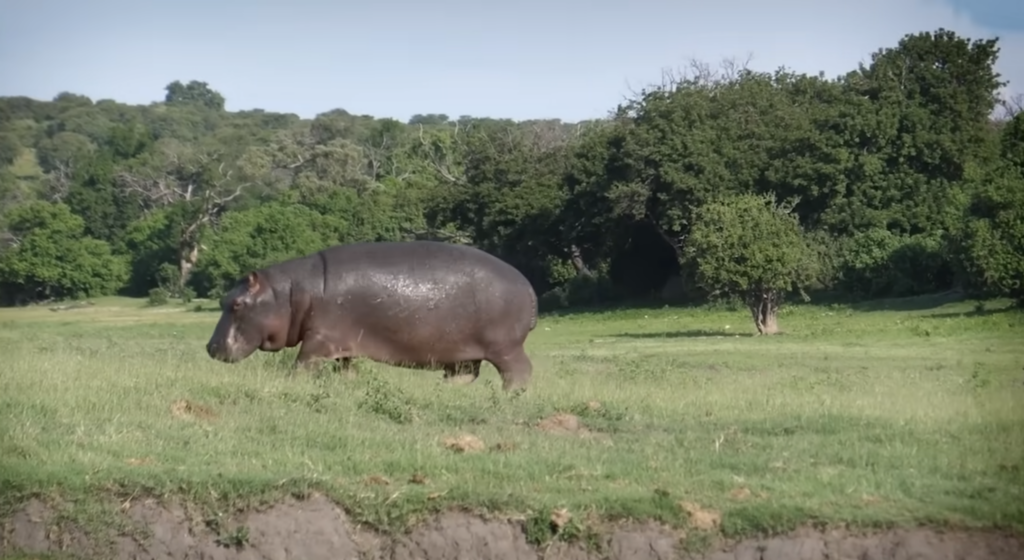
Hippos can reach speeds of up to 48 kilometers per hour on land, weigh over 4,000 kilograms, and possess bite forces of around 1,800 psi, powerful enough to crush bone. Even when they seem calm, they remain highly territorial, especially in water where they feel most secure.
Marius’ wife repeatedly warned him about keeping such a dangerous animal on their property, but he believed trust was enough. Even after early signs of aggression, he stayed confident that Humphrey would not harm him.
That belief was shaken in 2010 when Humphrey attacked Marius’ nephew Johan on the farm. Johan later described the moment as feeling like being hit by a car. He survived, but suffered severe injuries after being bitten and dragged. It was a clear warning that Humphrey’s instincts were unpredictable and still wild.
Despite this, Marius continued living alongside the hippo.
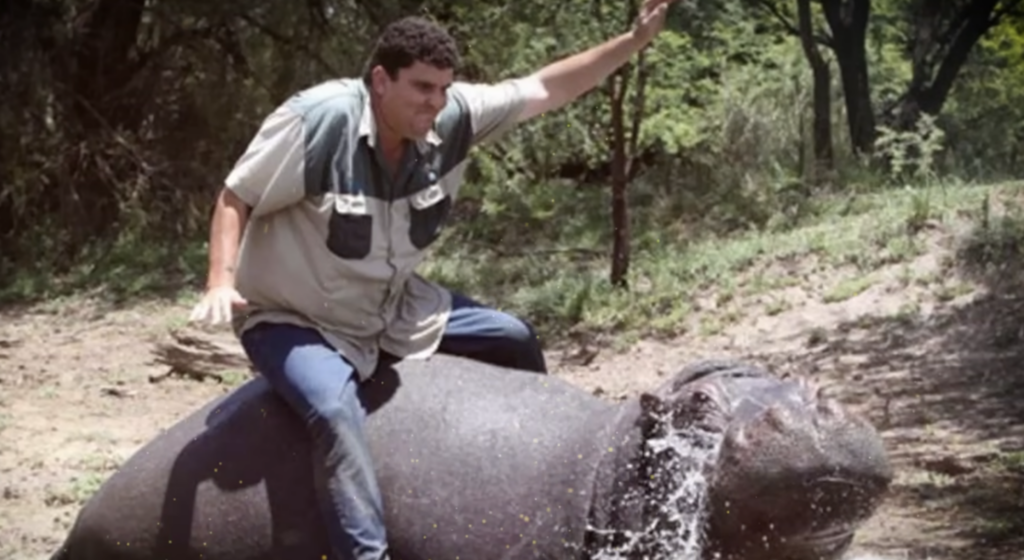
In November 2011, tragedy struck. Marius Els was found dead in the same river where Humphrey had once been rescued as a baby. His body showed severe injuries consistent with a violent animal attack. Investigators could not determine whether drowning or trauma caused his death first, but the involvement of Humphrey was confirmed.
What triggered the attack remains unknown. It may have been territorial behavior, stress, or a sudden shift in instinct. Hippos do not respond to human relationships the way domesticated animals do. A bond, no matter how strong it appears, does not override millions of years of natural behavior.
Humphrey’s case is not unique in highlighting how dangerous hippos can be in human environments. In the wild, they are responsible for hundreds of deaths annually. Their aggression is often underestimated because of their seemingly slow and calm appearance in water.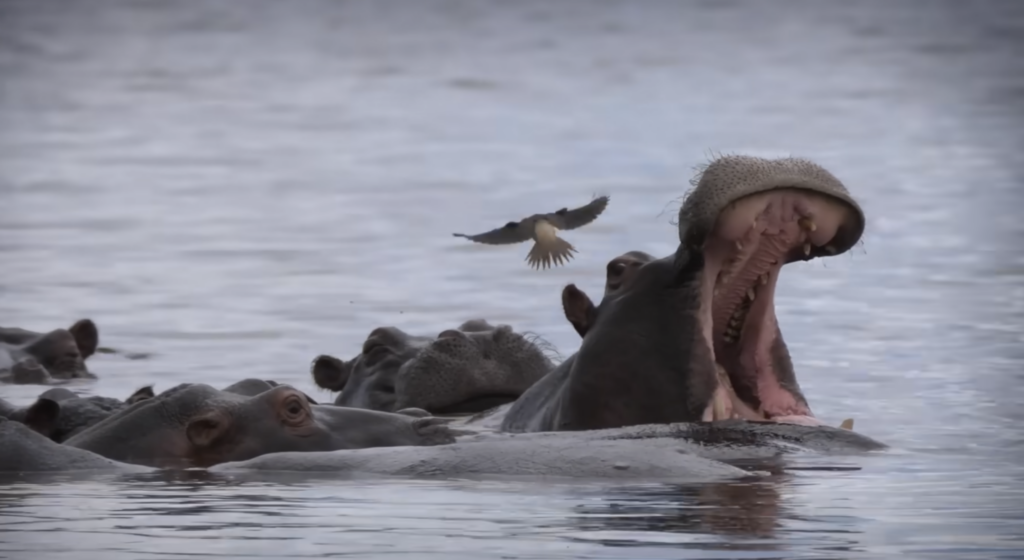
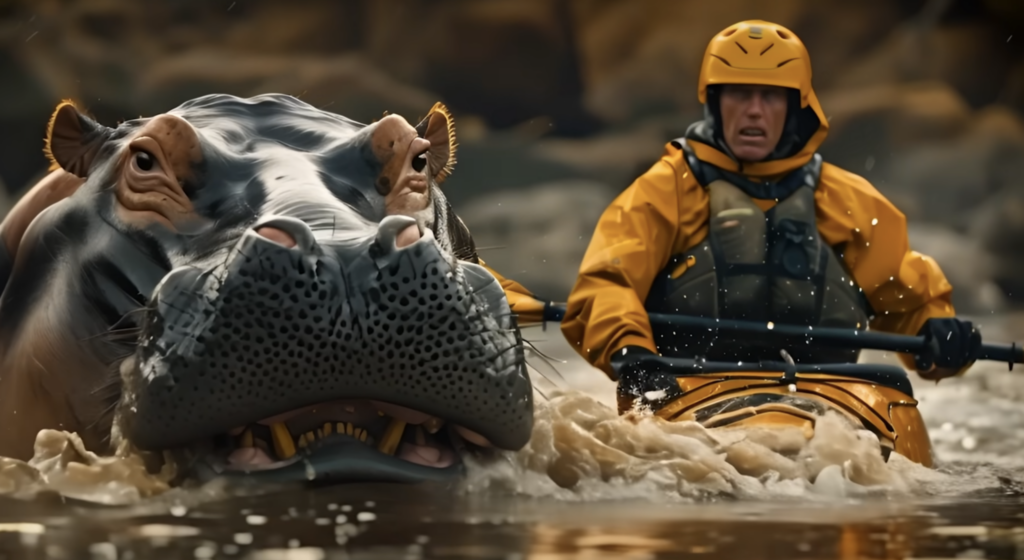
Another survivor, safari guide Paul Templer, experienced a separate hippo attack and lived through multiple violent encounters during a single incident on a river expedition. His survival is rare and serves as another reminder of how unpredictable these animals can be when provoked or startled.
The story of Marius Els stands as a stark example of the risks of human and wildlife boundaries being blurred. Even with years of interaction and trust, a hippo remains a wild animal driven by instinct rather than attachment.
In the end, Humphrey was not a pet. And the tragedy that followed was a harsh reminder that some of nature’s most powerful creatures cannot be safely removed from the rules they were born to follow.