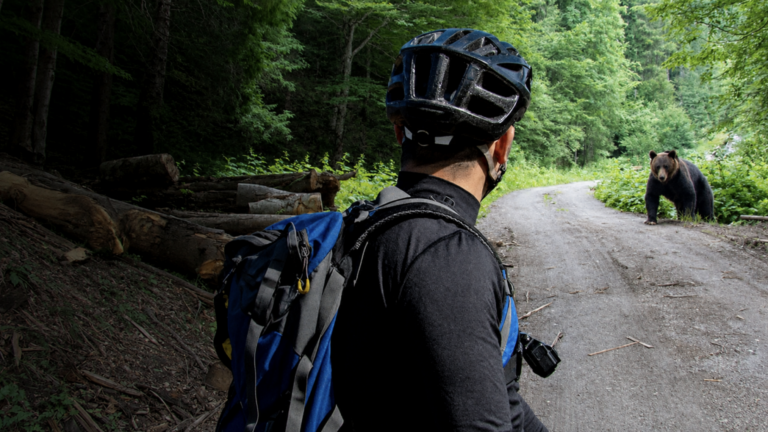
A peaceful hike through the wilderness can quickly turn into a nightmare if you encounter one of nature’s most powerful predators. Bears are among the largest land carnivores on Earth, capable of incredible strength, speed, and aggression when threatened. But what would actually happen if you came face to face with one? And could you survive the encounter?
Despite their fearsome reputation, bear attacks are relatively rare. Only a few dozen serious attacks are reported worldwide each year. Most bears would rather avoid humans altogether. Still, when an attack does occur, the outcome often depends on the species involved and how you react.
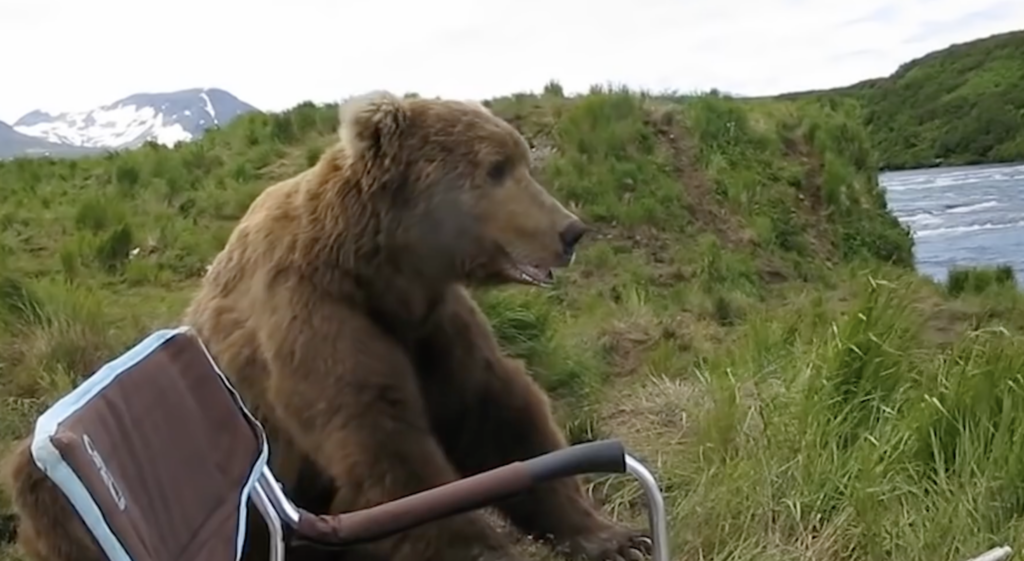
Imagine waking up at a campsite and stepping outside your tent only to discover a black bear investigating food you accidentally left out overnight. While the sight would be terrifying, black bears rarely attack without reason. Most encounters happen because the animal feels threatened or is protecting a food source.
The worst thing you could do is panic. Running away might seem like a good idea, but black bears can reach speeds of up to 40 km/h (25 mph). Climbing a tree is not much better. Unlike many people assume, black bears are excellent climbers and can easily follow you into the branches.
If a black bear became aggressive, its strength would be your biggest concern. A single swipe from one of its powerful forelegs could send a person crashing to the ground. Even though their claws are designed more for climbing than fighting, the force behind them can cause serious injuries.
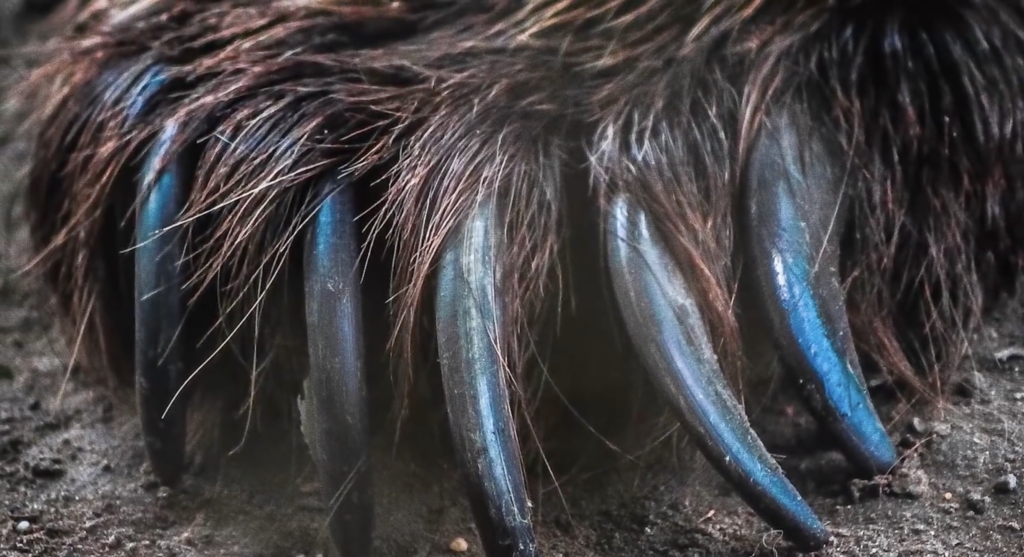
Now imagine escaping that encounter only to stumble across a grizzly bear and her cubs. This situation is far more dangerous. Mother grizzlies are fiercely protective and may attack if they believe their young are threatened.
A charging grizzly can reach speeds of around 64 km/h (40 mph), giving you little chance of escape. Its enormous body weight and powerful muscles make it one of North America’s most formidable predators. If a grizzly knocks you down during a defensive attack, wildlife experts generally recommend playing dead. Remaining still may convince the bear that the threat has passed, causing it to lose interest and leave.
But there is one bear that presents an even greater challenge: the polar bear.
Unlike black bears and grizzlies, polar bears are active hunters. They are among the few animals on Earth that may view humans as potential prey. Weighing up to 590 kg (1,300 lb), a large male polar bear possesses immense strength, massive jaws, and claws capable of inflicting devastating injuries.
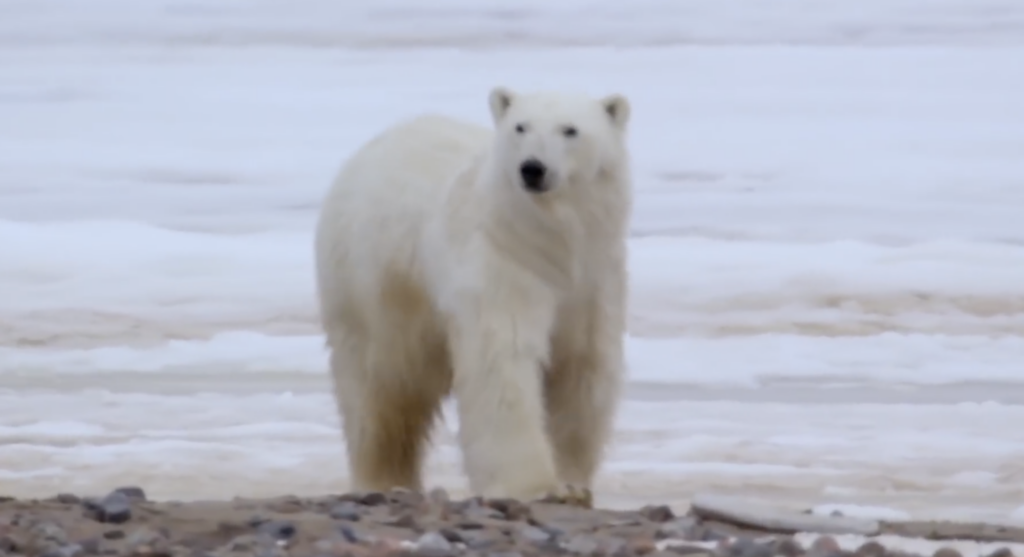
Fortunately, most people will never encounter one. Polar bears live primarily in the Arctic, far from the forests and mountain trails where most bear encounters occur.
The good news is that surviving a bear attack often begins long before you ever see a bear. Proper food storage, making noise while hiking, and keeping a safe distance from wildlife can dramatically reduce the chances of a dangerous encounter.
So could you survive a bear attack? Possibly. But if you ever find yourself staring into the eyes of one of these giant predators, you’ll quickly discover that prevention is far easier than survival.