Carbon tends to steal the spotlight in any discussion about life, and for good reason. Every known living organism on Earth is built on carbon based chemistry. About 18 percent of your body is carbon, and without it there would be no DNA, no proteins, and no biology as we know it. Meanwhile silicon sits quietly in the background, even though it is one of the most abundant elements on Earth, making up roughly a quarter to nearly a third of the planet’s crust.
The idea of silicon based life is not new. It was first proposed in the late nineteenth century by astronomer Julius Scheiner. The reasoning is simple. Carbon and silicon share similar chemical behavior, and both can form large molecular structures by bonding with oxygen and other elements. These large structures are what make complex chemistry possible.
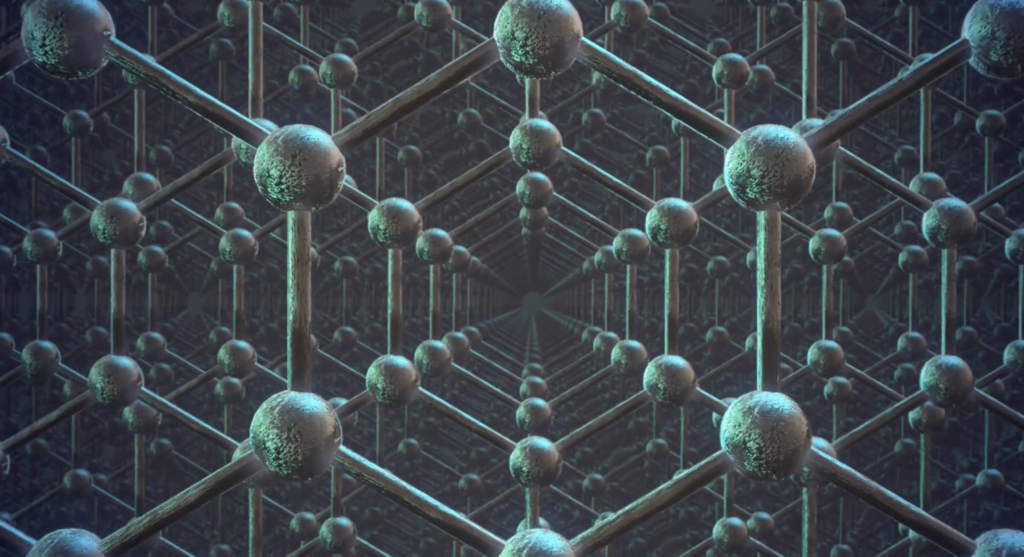
On Earth, however, silicon behaves very differently from carbon. When silicon reacts with oxygen, it forms silicon dioxide, also known as silica. This is the main component of sand and quartz. Silicon can also form silicone compounds, which are flexible and useful in technology and medicine, but they do not behave in a way that supports biology.
If life on Earth were built on silicon instead of carbon, everything would be radically different. Even though silicon can form bonds similar to carbon, those bonds are generally weaker and less stable in the conditions found on our planet. This means complex organisms like humans would likely never exist.
Instead of structured bodies with organs, bones, and tissues, silicon based life would most likely remain extremely simple. At best, it might exist as unstable, blob like structures of chemical material. Complexity on the level of plants or animals would be extremely unlikely, and anything resembling human intelligence would be even more doubtful.

Another major problem is reproduction. Silicon based organisms would struggle to maintain stable structures long enough to replicate reliably. In the chemistry of life, stability and flexibility are both essential, and silicon does not handle that balance well under Earth like conditions.
The environment itself would also need to be completely different. On Earth, liquid water is the perfect medium for carbon based chemistry because it allows molecules to move, interact, and build complexity. But water breaks down many silicon bonds, turning them into solid mineral like structures instead of supporting life.
For silicon based life to exist, a very different liquid would be required. One possibility often suggested is sulfuric acid, which could allow silicon chemistry to remain more stable. But this would also mean a planet nothing like Earth, with extreme conditions far beyond anything humans experience today.
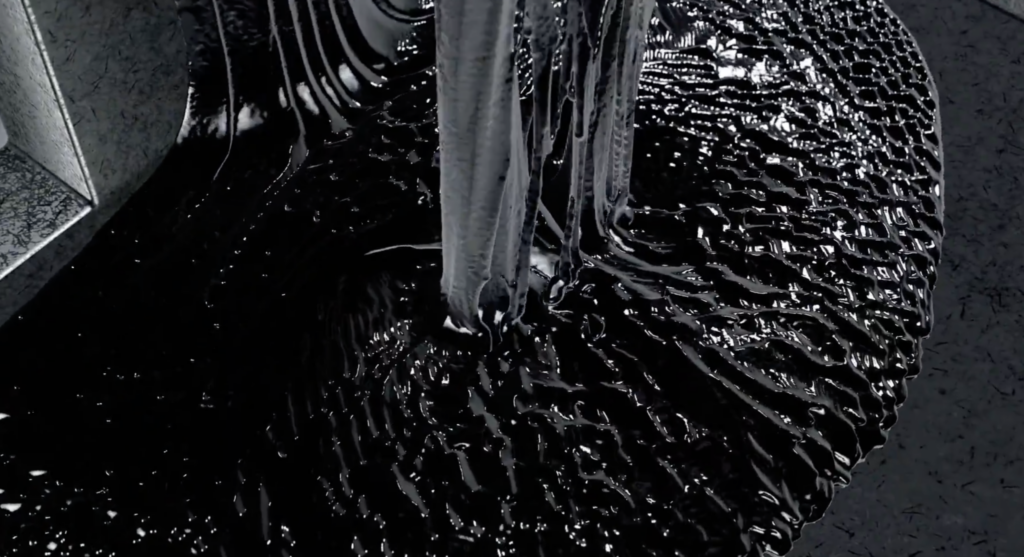
Temperature would be another major barrier. Silicon has a melting point of about 1410 degrees Celsius, or 2570 degrees Fahrenheit. A world supporting silicon based life would likely need to be extremely hot and chemically harsh, with environments far removed from anything resembling oceans, forests, or breathable air.
In such a world, evolution toward complex intelligent beings like humans would be highly unlikely. Silicon based life may remain simple and widespread, but the leap toward advanced civilizations would face enormous chemical and environmental limits.
In the end, exploring silicon based life highlights just how special carbon chemistry really is. The conditions on Earth were perfectly suited for carbon to take the lead, allowing life to grow, diversify, and eventually become intelligent. And that is how the familiar world we know came to be, built from the simplest element that turned out to be anything but simple.