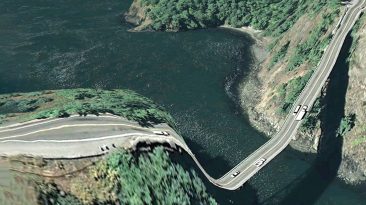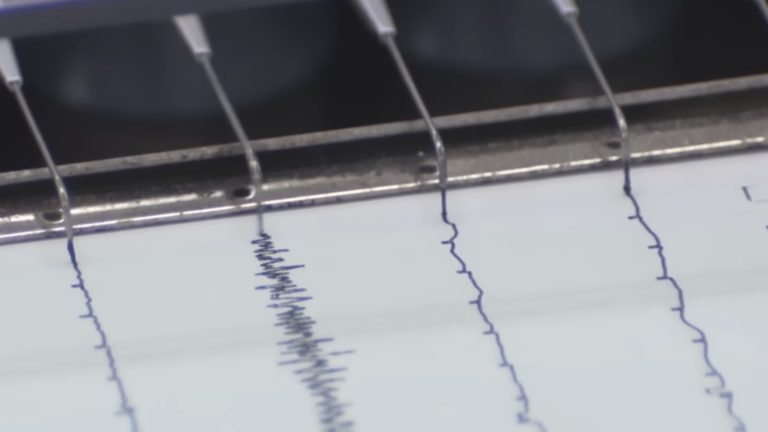
A series of powerful earthquakes recently struck Venezuela, including two major tremors measuring around magnitude 7.2 and 7.5. The back to back quakes hit west of Caracas and triggered widespread destruction across multiple states. According to early official reports and international monitoring agencies, dozens of buildings collapsed, critical infrastructure was damaged, and emergency services were overwhelmed as rescue teams searched through rubble.
Casualty figures remain provisional, but reports indicate dozens of deaths and hundreds of injuries, with authorities warning that numbers could rise as operations continue in heavily affected areas.
Events like this are a reminder that the ground beneath our feet is never truly stable. The Earth is constantly shifting, driven by immense tectonic forces hidden deep below the surface.
While these earthquakes in Venezuela were devastating, they are far from the most extreme seismic events the planet can produce. In fact, every step up the earthquake magnitude scale represents a massive increase in energy release. A small jump in number can mean a dramatic jump in destruction potential.
But that raises a terrifying question: what on Earth happens if a magnitude 20 hits?
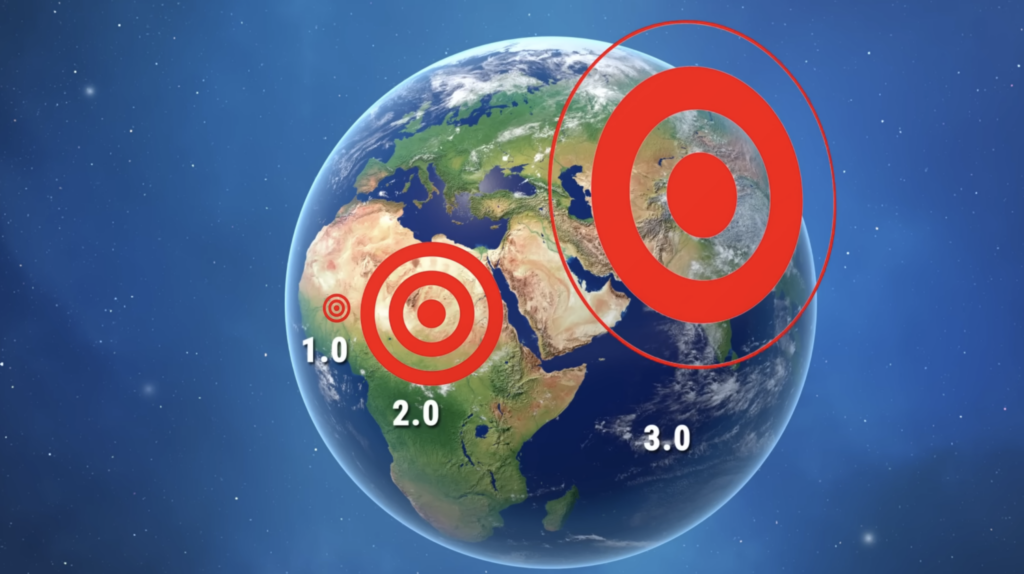
To understand just how catastrophic that would be, we first need to understand how earthquakes are measured. Earthquakes are ranked on a logarithmic scale, which means each whole number increase represents about 32 times more energy than the previous one. A magnitude 3 earthquake is not just slightly stronger than a magnitude 2, it is dozens of times more energetic. As the numbers rise, the energy difference becomes almost unimaginable.
The strongest earthquake ever recorded was the 1960 Valdivia earthquake in Chile. It measured magnitude 9.5, killed more than 1,000 people, left millions displaced, and generated tsunamis that crossed the Pacific Ocean. It remains the benchmark for modern seismic disasters.
Yet even that enormous quake would be insignificant compared to a hypothetical magnitude 20.
Most earthquakes occur when tectonic plates grind against each other along fault lines. These massive slabs of Earth’s crust slowly move, sometimes locking together as pressure builds over time. When that pressure finally overcomes friction, the plates suddenly slip, releasing stored energy as seismic waves.
The larger the fault system, the larger the earthquake. But there is a physical limit to how big Earth-based earthquakes can realistically become.
Scientists estimate that even a magnitude 10-plus earthquake would require a fault line longer than the entire circumference of Earth. In other words, the planet simply does not have the geometry to support events far beyond known extremes.
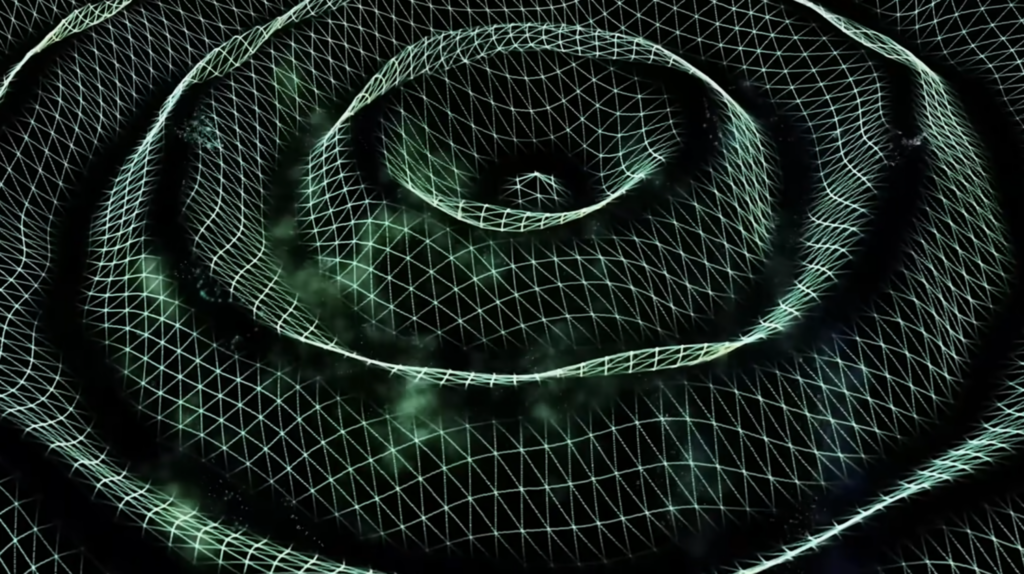
So how could a magnitude 20 ever happen?
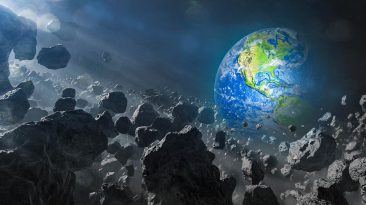
One possibility would be an asteroid impact unlike anything in human history. A space rock large enough to trigger that level of energy release would not just shake the ground. It would overwhelm the planet with shockwaves traveling through the crust, mantle, and oceans all at once.
The shaking would last for minutes across the globe. Buildings would fail across continents. Infrastructure such as bridges, highways, dams, and power grids would collapse in rapid succession. Aftershocks would continue long after the initial impact, compounding the destruction.
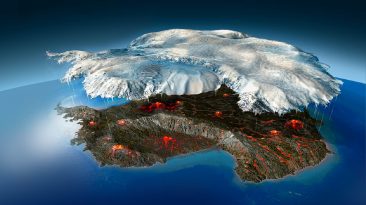
The oceans would respond with global tsunamis, racing across entire basins and reshaping coastlines. Volcanic systems could also be triggered as seismic energy spreads through the crust, potentially activating eruptions in multiple regions.
And then comes the most extreme implication.
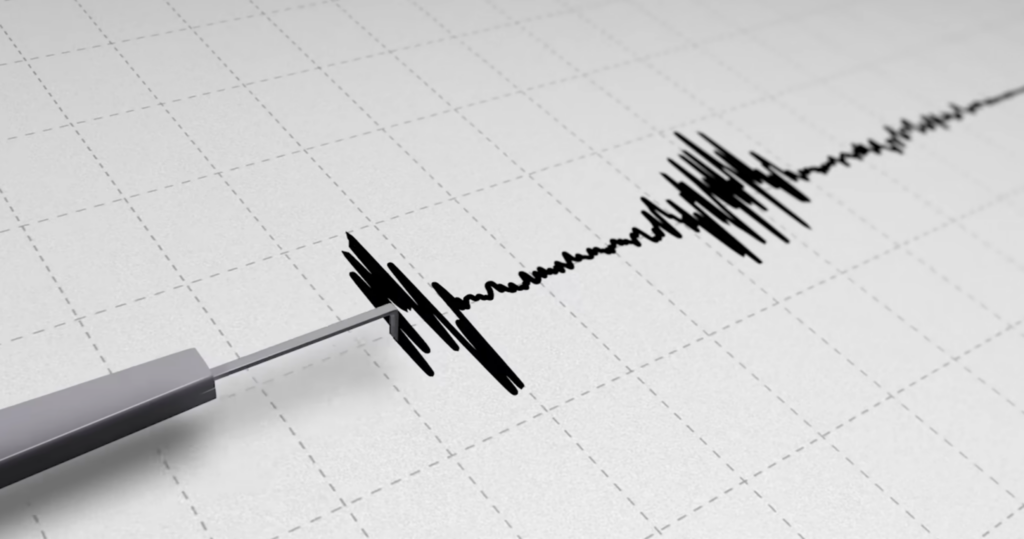
A magnitude 20 earthquake would release energy approaching levels comparable to the forces that bind Earth itself together gravitationally. At that scale, we move beyond conventional disaster scenarios into something that challenges the structural integrity of the planet.
Fortunately, there is good news. According to current scientific understanding, a natural magnitude 20 earthquake is not possible on Earth. The planet simply does not have the physical structure or fault length required to generate anything close to that level of energy.
Still, the recent earthquakes in Venezuela are a reminder of something much more grounded and real. Even major seismic events are powerful enough to disrupt lives, destroy infrastructure, and reshape entire regions in seconds.
And perhaps that is the most important takeaway. A magnitude 20 earthquake may belong to theory, but the Earth beneath Venezuela is very real, very active, and never truly still.