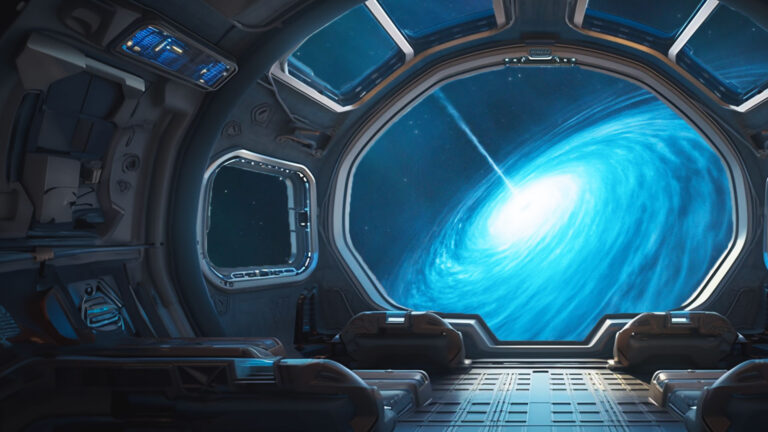
A black hole is often described as a cosmic point of no return, a region in space where gravity is so strong that nothing, not even light, can escape. Anything that crosses its boundary is pulled inward and compressed into an extremely dense core known as a singularity.
Most black holes form after massive stars collapse at the end of their life cycles, leaving behind an object with immense mass and equally immense gravitational pull.
At the edge of every black hole lies the event horizon. This is the invisible boundary where escape becomes impossible. Once anything crosses it, the speed required to break free would exceed the speed of light, something the laws of physics do not allow.
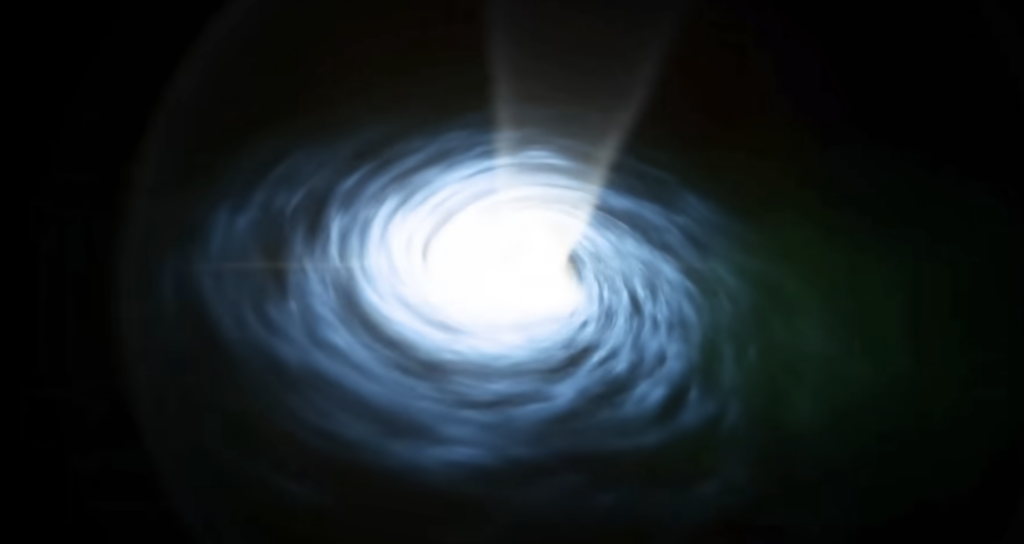
For decades, scientists have explored the idea that black holes might not be the only extreme objects of their kind. A theoretical opposite has long been proposed, known as a white hole. While black holes pull everything inward, a white hole would do the reverse. Nothing could enter it, but matter and energy could only flow outward.
In theory, a white hole could act as a constant source of matter being ejected into space. Some researchers have even suggested that a white hole could be connected to a black hole, acting as an exit point on the other side of a cosmic tunnel.
Unlike black holes, which have been observed directly through their effects on surrounding stars and even imaged by telescopes, white holes remain purely theoretical. No confirmed observation has ever been made. However, some scientists believe there may be indirect clues hidden in extreme cosmic events.
One of the most promising candidates comes from mysterious gamma ray bursts. These are extremely powerful flashes of high energy radiation that can release more energy in seconds than the Sun produces over its entire lifetime. They are usually associated with the formation of black holes or the collapse of massive stars.
However, one particular event stood out as unusual. Known as GRB 060614, it lasted around one hundred seconds but did not behave like a typical gamma ray burst. It appeared without the expected pattern of a collapsing star and lacked the usual afterglow that follows such events. Its behavior did not match known categories, leading some researchers to question whether something entirely different could be responsible.
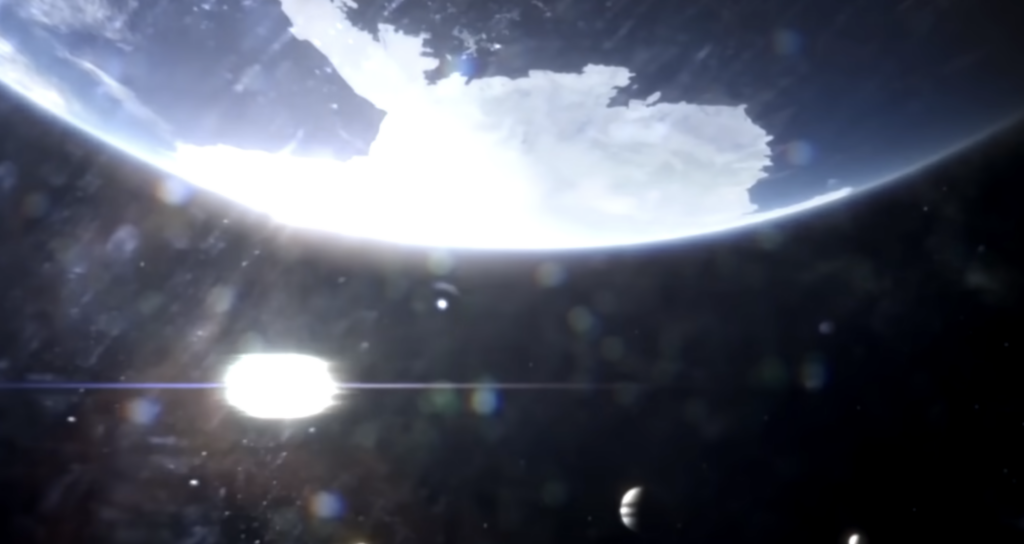
This anomaly has led to speculation that it might represent evidence of a white hole, a sudden and intense release of energy and matter that does not come from a traditional stellar collapse. While this idea remains highly controversial, it has sparked renewed interest in whether white holes could exist somewhere in the Universe.
If a white hole were real, its environment would be extreme beyond imagination. Any object approaching it would be bombarded with intense radiation, making direct entry impossible. Instead of pulling matter inward like a black hole, it would push everything away with overwhelming force. The closer you got, the more energy you would need just to resist being thrown back.
Some theoretical models suggest that if white holes are connected to black holes through a type of wormhole, then entering one might require passing through a black hole first. In this scenario, space and time could behave in ways that defy normal understanding, with extreme gravitational forces stretching matter and distorting perception.
Inside such a system, classical physics begins to break down. The journey would involve conditions where space bends, time distorts, and matter experiences forces far beyond anything observed in nature. Some theories even suggest that what lies beyond could connect to another region of space time or perhaps even another universe entirely.
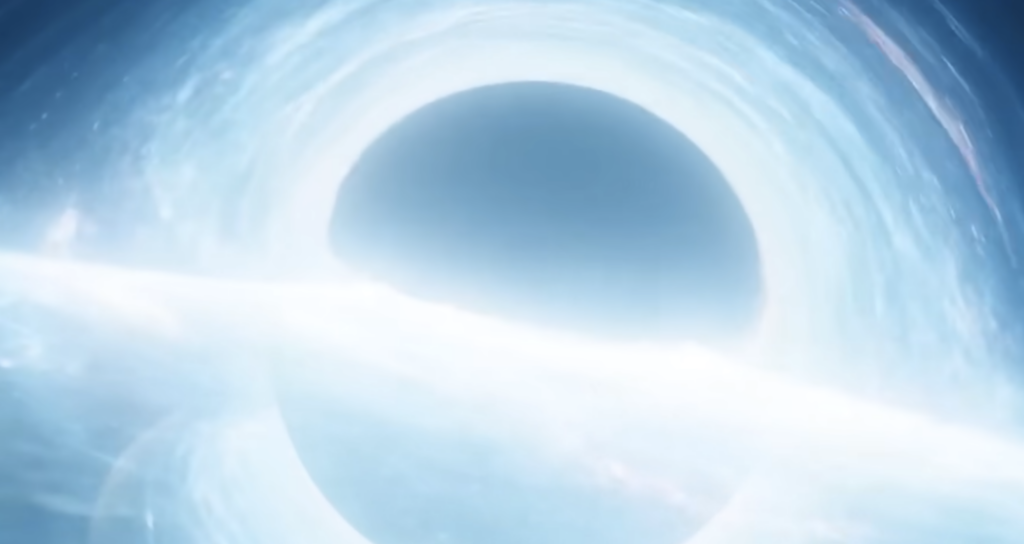
This leads to one of the most extreme possibilities in modern physics. If black holes and white holes are linked, then they could form bridges between different regions of the cosmos, or even act as passages between separate universes with different physical laws.
While there is still no confirmed evidence that white holes exist, the mathematics of general relativity allows for their possibility. Whether they are real objects or simply theoretical curiosities remains one of the biggest open questions in astrophysics.
For now, the idea of a white hole sits at the edge of science and imagination, waiting for evidence that could either confirm it as one of the universe’s most exotic objects or rule it out entirely. Until then, it remains a powerful reminder that the cosmos may still hold phenomena far stranger than anything we have yet discovered.