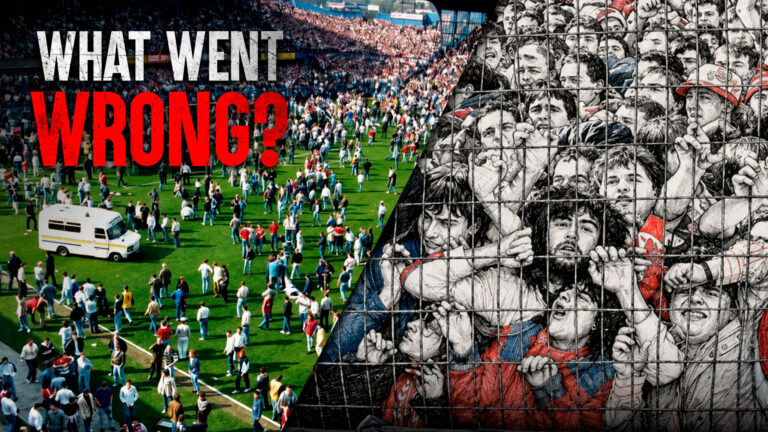
On April 15, 1989, Hillsborough Stadium in Sheffield, England, was filled with anticipation. Around 54,000 fans gathered for the FA Cup semi final between Liverpool and Nottingham Forest. It was meant to be a celebration of football, a day defined by excitement and unity.
Instead, it became one of the darkest moments in sporting history.
By the end of the day, 97 men, women, and children would lose their lives in a disaster that should never have happened. What followed was not only a tragedy on the pitch, but a long battle over truth, responsibility, and justice.
A Stadium Already Under Pressure
To understand what went wrong, it is important to understand the environment of football in 1980s England. The sport was not just entertainment, it was an escape from unemployment and economic hardship. But it also carried a reputation for hooliganism, which shaped how authorities designed stadiums.
Instead of open and flexible spaces, many stadiums were built with steel fencing, enclosed pens, and narrow entry points meant to control crowds. These designs were intended for safety, but in reality, they often created dangerous bottlenecks.
Hillsborough’s Leppings Lane end was one of those known problem areas. It had a history of overcrowding and was already recognized as a risk point. Despite this, it was chosen to hold thousands of Liverpool supporters for one of the biggest matches of the season.
The result was predictable. Thousands of fans were funneled toward a limited number of entry gates, creating severe congestion long before kickoff.
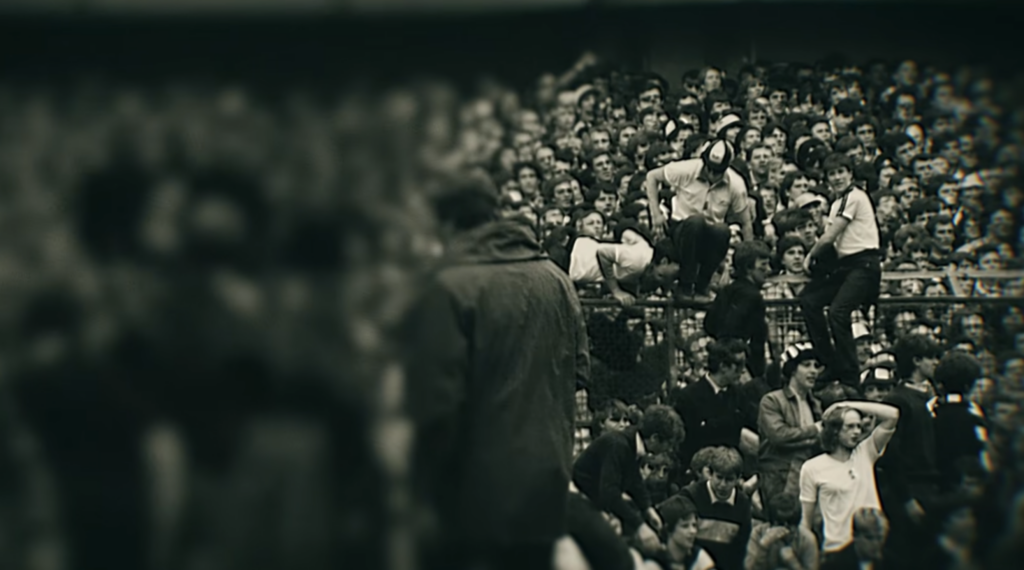
The Build Up to Disaster
As kickoff approached, large numbers of fans were still stuck outside the stadium. The pressure of time, excitement, and fear of missing the match pushed people forward into tighter and tighter spaces.
Inside the stadium, the central standing pens quickly filled beyond safe capacity. The design did not allow for proper redistribution of the crowd. Once the internal tunnel was opened, thousands more people were directed straight into already overcrowded sections.
At this point, the situation stopped being about individual choice. In a dense crowd, movement becomes collective. People are pushed, carried, and compressed by the force of those around them.
What followed was a crowd crush, a silent and invisible form of danger where survival is determined not by panic, but by physical pressure.
The Moment Everything Collapsed
As the pens reached extreme overcrowding, the pressure became unbearable. People were pressed against barriers and each other so tightly that breathing became difficult or impossible.

This condition, known as compressive asphyxia, occurs when the chest cannot expand enough to draw in air. Victims can lose consciousness within seconds and suffer fatal consequences within minutes.
Survivors later described scenes of chaos and desperation, with fans screaming for help as they were trapped in place. Many had no ability to move or escape, regardless of effort.
When parts of the fencing and barriers eventually gave way, people spilled onto the pitch, not as rioters or invaders, but as victims desperately trying to escape.
Misunderstanding the Emergency
One of the most devastating aspects of Hillsborough was how the situation was misread by authorities on the ground. Instead of recognizing a medical emergency caused by overcrowding, it was mistakenly treated as crowd disorder.
This led to delayed responses and confusion. Emergency access was restricted, and proper evacuation procedures were not immediately implemented.
At the same time, fans and volunteers on the pitch began doing everything they could to help. Makeshift stretchers were created from advertising boards, and strangers worked together to carry the injured to safety.
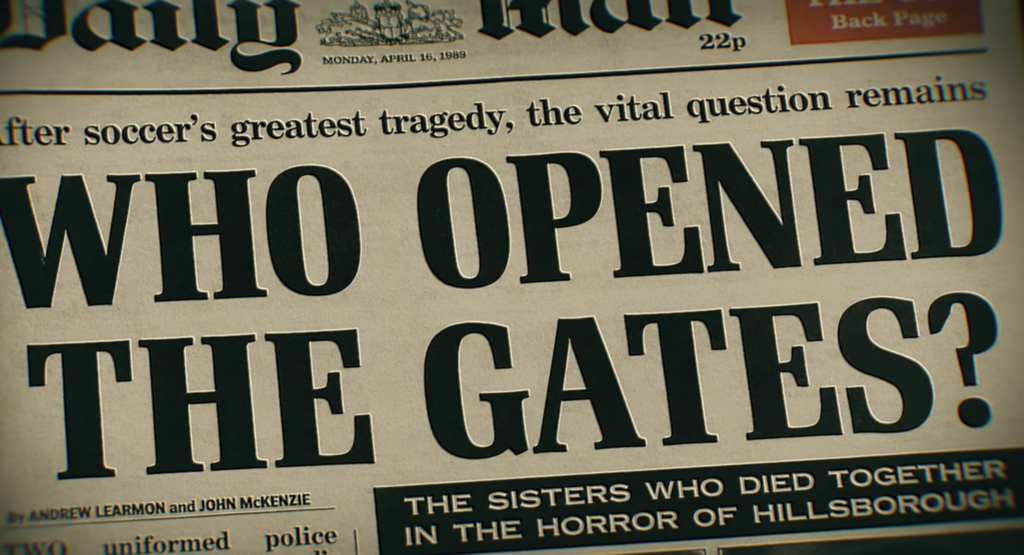
Despite these efforts, the scale of the disaster overwhelmed the available response.
The Aftermath and the Fight for Truth
In the hours and days after the tragedy, families began searching for answers. But instead of immediate accountability, a narrative began to form that blamed the supporters themselves.
Early reports suggested fan behavior was responsible, and some media outlets published claims that were later proven false. Over time, investigations revealed that statements had been altered and important details removed from official accounts.
For the families of the victims, this marked the beginning of a decades long struggle not only for justice, but for truth.
Independent investigations eventually confirmed that the disaster was caused primarily by failures in policing and crowd management, not by the fans.
Justice Delayed, Not Forgotten
Over the years, multiple inquiries examined what happened at Hillsborough. While the truth eventually became widely accepted, legal accountability proved far more difficult.
Some prosecutions ended without convictions, and many involved officers were never formally punished due to retirement or legal limitations.
In time, the official death toll rose to 97, following the later passing of a survivor who never recovered from his injuries.
Despite the lack of full legal resolution, the families succeeded in achieving something just as important, public acknowledgment of what really happened.