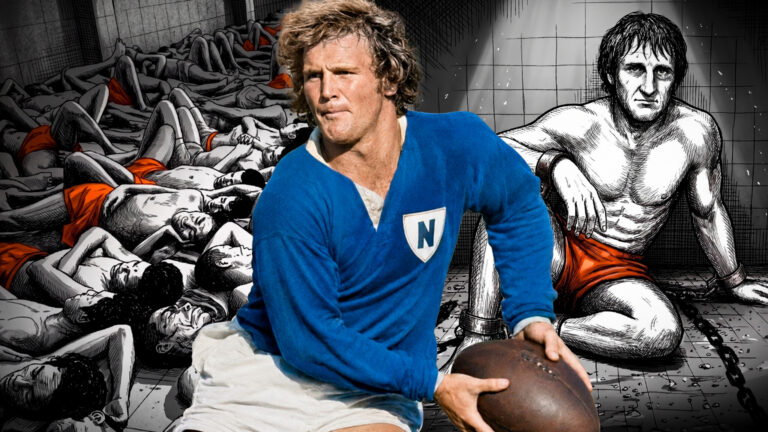
Paul Hayward’s story does not begin in a prison cell or under chains. It begins in a normal life that slowly gets pulled off course by loyalty, pressure, and bad company. Before Bangkok, he was a husband to Gail and a father to two children, Bradley and Kellie. By all accounts, he was protective, dependable, and the kind of man who would step in for others without hesitation.
That loyalty, however, became the very thing that led him into one of the most brutal prison systems in the world.
Through family connections, Paul became linked to Arthur “Neddy” Smith, a feared figure in Sydney’s criminal underworld. Neddy was known for violence and influence, and his reputation alone was enough to shape decisions around him.
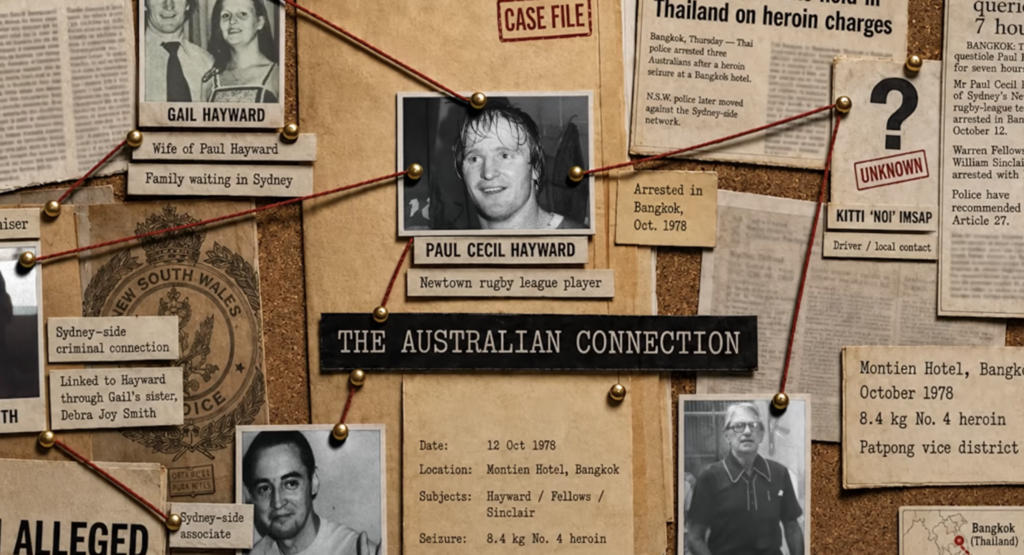
Through this network, Paul also became associated with Warren Fellows, a drug runner involved in international trafficking operations.
Paul was not the mastermind. He was the backup. The trusted friend meant to ensure things went smoothly and no one got caught off guard. That role came with a price: around 20,000 dollars to assist in smuggling 18.5 pounds of heroin from Thailand to Australia. It was life changing money at the time, but it came with consequences far beyond what Paul seemed to understand.
The operation already had cracks before it even began. There were signs that police were watching, and warnings that the situation was compromised. Still, pressure from higher up the chain, especially from Neddy, pushed the plan forward. Paul even lied to his wife, telling her he was going on a rugby trip to the United States. She drove him to the airport, unaware she was saying goodbye to the life they knew.
But by that point, the trap was already set.
Australian authorities had intercepted communications tied to the operation, and Thai police were prepared. When Paul and Warren arrived in Bangkok, they were already under surveillance. What they thought was a smuggling job was already a controlled collapse waiting to happen.
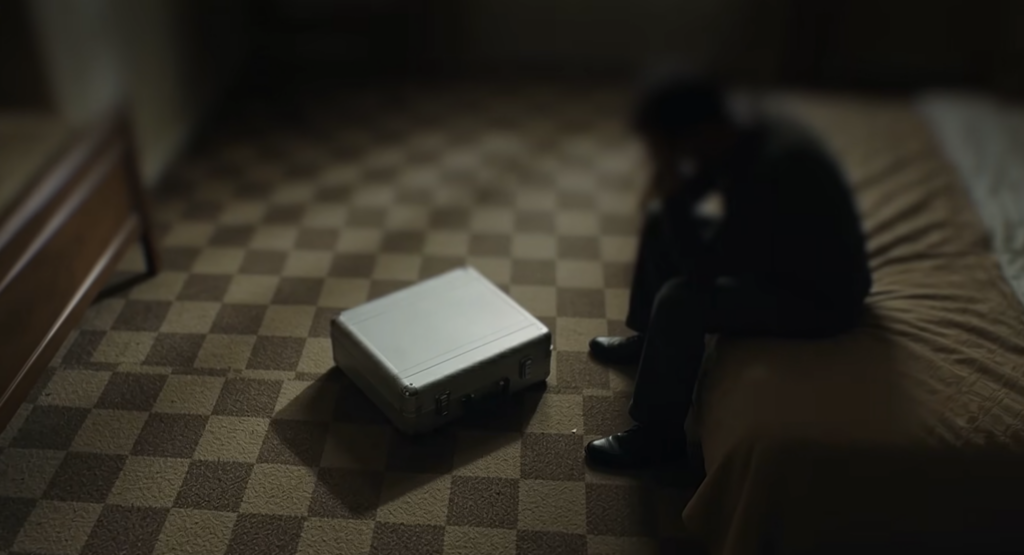
At Don Mueang Airport and later at a hotel in Bangkok, the situation began to tighten. A suitcase containing heroin became the center of growing paranoia. Paul briefly tried to distance himself from it, asking for it to be moved, but it remained in his orbit. That decision alone would define everything that followed.
Soon after, Thai police raided the hotel room. Armed officers, including a figure known as “Mad Dog,” took control of the situation instantly. Warren was forced to open the suitcase in front of them. Inside were multiple packages of heroin, weighing over eight kilograms in total. From that moment, Paul’s fate was no longer in his hands.
He was told clearly that there would be no embassy protection, no legal escape, and no outside rescue that could change what was coming. It was the beginning of a system designed not just to arrest, but to break.
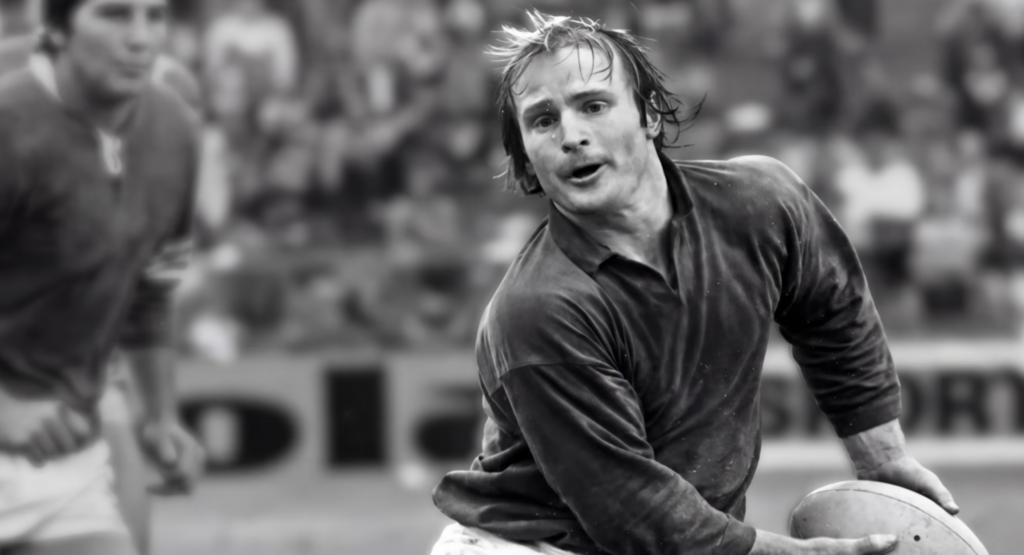
Over the next 37 days, Paul and Warren were subjected to intense interrogation. They were paraded in front of cameras, beaten, threatened with execution, and psychologically destroyed. In Thailand at the time, execution was not an abstract fear. It was presented as routine reality. Prisoners were told in detail how they could be tied, marked, and shot, with guards framing death as procedural rather than personal.
The goal of the interrogation was not just punishment, but extraction. Authorities wanted names, connections, and higher level figures involved in the drug network. Under extreme pressure, Warren eventually gave a confession that implicated others in the operation.
But the psychological pressure went far beyond confessions. The environment itself became part of the punishment. Threats of execution were repeated constantly. Prisoners were shown executions and told they were next. The uncertainty alone created a state of constant fear, where survival felt temporary at best.
At one point, both Paul and Warren attempted to end their own lives. Even that failed. The system did not allow escape, not even through death on their own terms.
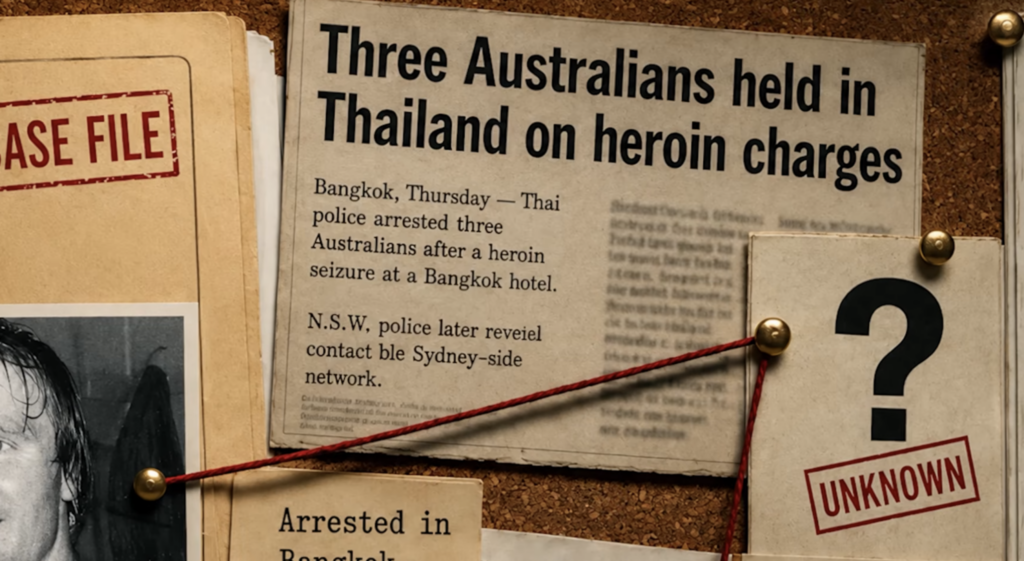
After interrogation came imprisonment, and with it, a different kind of suffering.
The first stop was a facility known informally as the Monkey House, a holding prison for drug offenders. Conditions were harsh, overcrowded, and degrading. Guards used electric prods, food was poor, and prisoners were treated with routine violence. Corruption was widespread, and drugs were often accessible even inside prison walls.
Ironically, many inmates arrived clean and left addicted. The system itself fed the cycle it claimed to punish.
From there, Paul was moved through multiple facilities, including Maha Chai, another detention center known for extreme overcrowding and brutality. Prisoners were shackled, humiliated, and forced into conditions that stripped away basic dignity. Chains were applied with heavy tools, often leaving permanent physical and psychological damage.
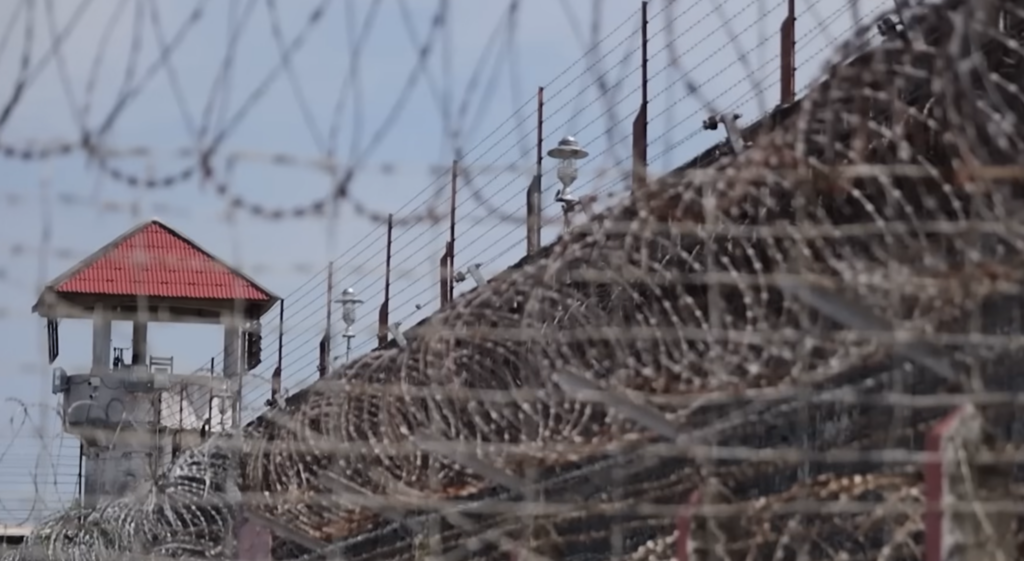
Finally, Paul arrived at Bang Kwang Central Prison, known as the Big Tiger.
Bang Kwang was not just harsh. It was designed to overwhelm the human body and mind. Prisoners were shackled for long periods, confined in overcrowded cells, and exposed to unsanitary conditions. Water supplies were contaminated, food was minimal, and medical care was almost nonexistent.
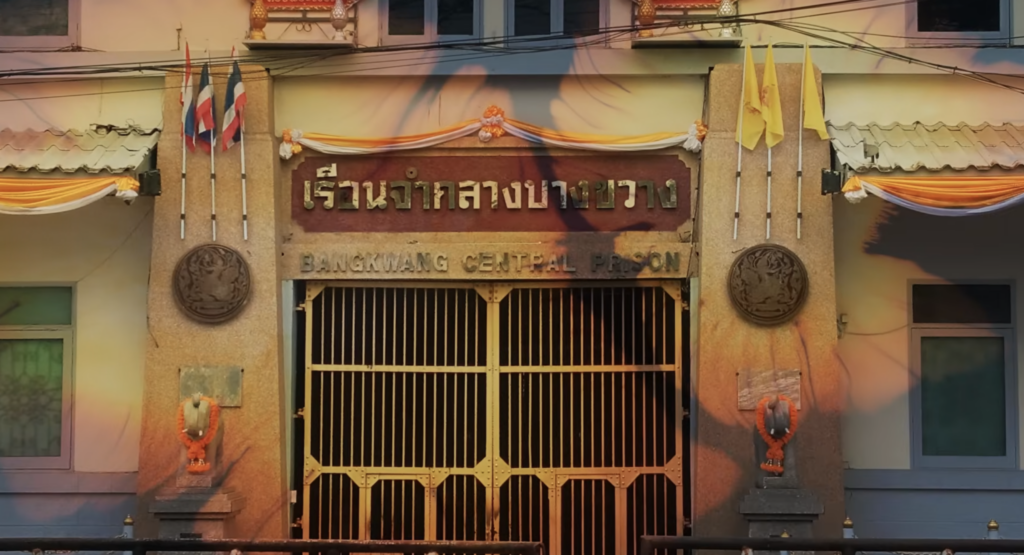
Survival inside depended on one rule: do not appear weak. Violence was part of the internal hierarchy, and prisoners had to establish dominance or risk being targeted.
Paul adapted the only way he could. In one instance, he fought a larger inmate to avoid being seen as vulnerable. That act of violence earned him respect, which in Bang Kwang was often the difference between survival and collapse.
But the prison system itself continued to break people down over time. In 1985, a riot erupted after hopes of royal pardons collapsed. Security forces responded with force, and Paul was seriously injured, including a shattered leg. He was then locked away without proper medical treatment.
Within this environment, drugs became both currency and escape. Heroin circulated through corruption, often brought in by guards themselves. For many prisoners, including Paul, addiction became part of daily survival rather than choice.
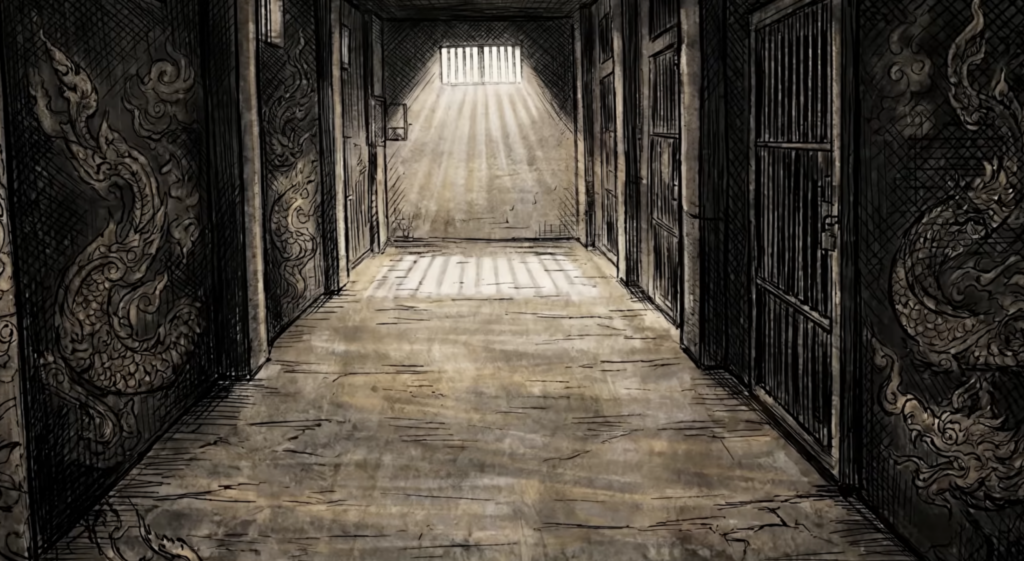
Eventually, after more than a decade inside the system, Paul was granted a royal pardon tied to a national celebration. He was removed from prison and sent back to Australia.
But release did not mean recovery.
Paul returned home physically broken, addicted to heroin, and carrying serious illnesses contracted during his imprisonment. He struggled to reintegrate into normal life, unable to separate himself from what he had experienced. Sleep, relationships, and stability all became difficult to maintain.
In May 1992, Paul Hayward died of a heroin overdose in Sydney.
The same drug that helped send him into the Bangkok operation had followed him through every stage of his imprisonment and ultimately ended his life.
His story is not just about crime or punishment. It is about how a system, once entered, can continue to shape a person long after they leave it. Paul survived interrogation, brutality, isolation, disease, and a decade in one of the harshest prisons on earth. But he did not survive what came after.
For Paul, the true ending did not happen in a Sydney bathroom. It began the moment he stepped into the Bangkok drug operation years earlier. Everything after that was just the long aftermath of a life already caught in motion.