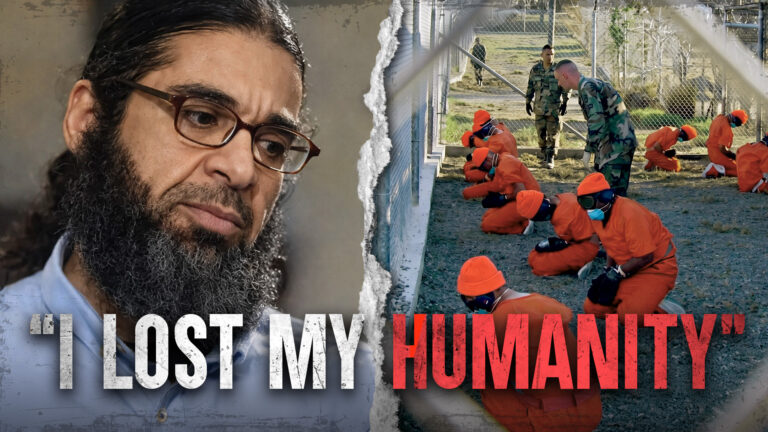
Guantanamo Bay is not just a prison. It is a place that sits at the edge of law, geography, and morality, built on an idea that distance can change the rules.
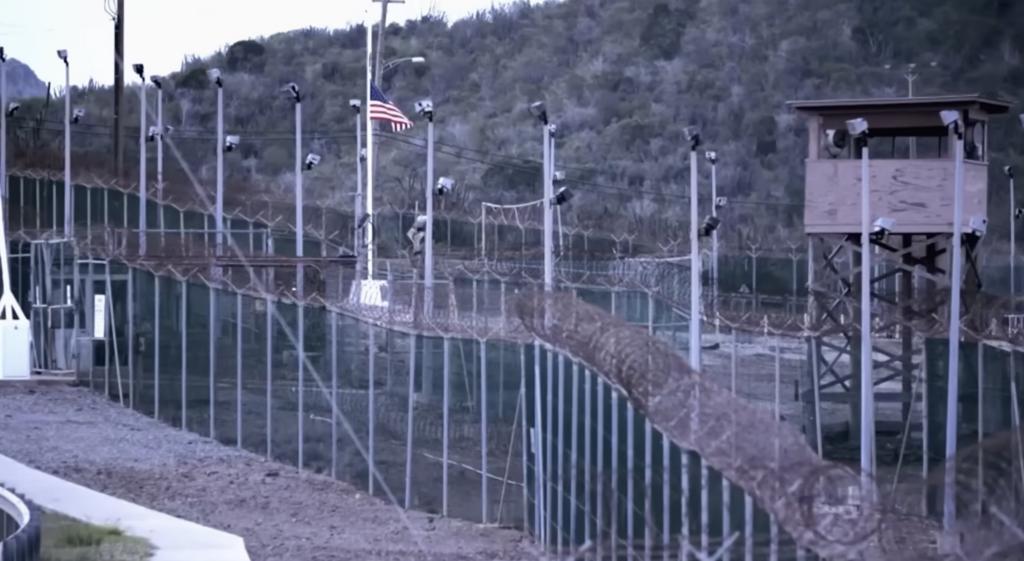
Located on a U.S. naval base in Cuba, Guantanamo Bay is surrounded by ocean, fencing, and watchtowers. It also contains something unexpected for such a notorious site: ordinary facilities for U.S. personnel, even a McDonald’s nearby. But the real question has always been why this place exists in the first place.
The answer stretches back over a century. After the Spanish American War, the United States secured a lease on Guantanamo Bay in 1903. Even after the Cuban Revolution in 1959, the lease remained in place under contested circumstances. The U.S. still pays Cuba a symbolic amount, around 3,000 dollars a year, for control of the base.
For decades, it functioned mainly as a Cold War military outpost. That changed in the early 1990s, when political instability in Haiti led to waves of refugees fleeing by sea. The U.S. intercepted many of these boats and needed a place to hold people outside mainland legal jurisdiction. Guantanamo became that solution, a legal in between zone where detainees had fewer rights and limited protection.
This early use established a pattern. Holding people offshore created distance not just physically, but legally. That idea would later become central after one of the most defining moments in modern history.
Following the attacks of September 11, 2001, the United States entered a new phase of global conflict. The government passed the Authorization for Use of Military Force, giving broad authority to detain and pursue suspected terrorists. The legal shift was simple but powerful. It moved suspects from criminal law into wartime detention.
That change allowed Guantanamo Bay to become something entirely different.
Instead of trials and evidence in court, the focus became intelligence gathering. The goal was to extract information quickly from people held outside normal legal protections. This is how Guantanamo became a symbol of the War on Terror.
In January 2002, the first detainees arrived. They were held in open air cages at Camp X Ray before being moved into more permanent facilities like Camp Delta. Officials described them as the most dangerous individuals captured in the war. However, many of them were never charged with any crime.
From the beginning, Guantanamo operated outside the traditional justice system. Detainees were not treated as criminal defendants but as wartime captives. This allowed the U.S. government to use interrogation methods that would not be permitted in civilian courts.

In late 2002, enhanced interrogation techniques were approved at senior levels of government. These methods included sleep deprivation, stress positions, sensory manipulation, confinement, and psychological pressure. Supporters argued they were necessary for national security. Critics, including some within the system, warned they crossed ethical and legal boundaries.
The consequences of this approach continue to affect legal cases today. Evidence obtained through coercion has complicated prosecutions, including those related to 9/11, causing repeated delays in military commission trials.
Inside Guantanamo, conditions varied but were often extreme. Early commanders described detainees arriving dehydrated, exhausted, and disoriented. Many were not able to stand without assistance. Life inside the camps was strictly controlled, from clothing to movement to daily routine.
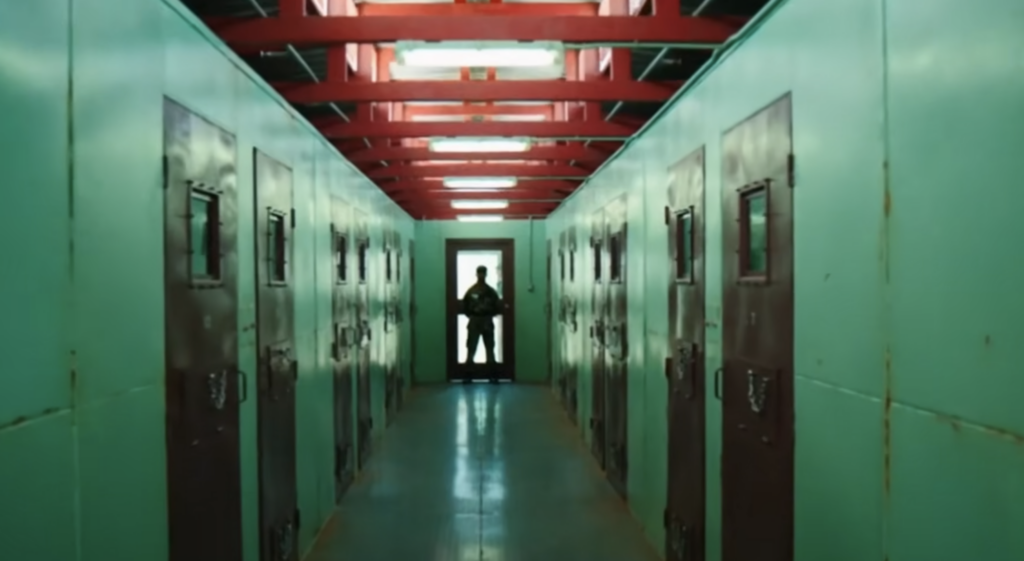
Cells were cold or unbearably hot depending on conditions, and isolation was common. Former detainees described periods of sensory deprivation, food restriction, and long confinement in stressful environments. Over time, survival became less about physical strength and more about psychological endurance.
In total, around 780 men have been held at Guantanamo since 2002. Yet the military commissions have resulted in only a small number of convictions, many of which were later overturned or questioned. This gap between detention and prosecution remains one of the defining contradictions of the facility.
One of the most well known cases is Abu Zubaydah, often referred to as the first “forever prisoner.” Captured in 2002, he was initially described as a high level al Qaeda operative. However, he was never charged with a crime related to major terrorist attacks. Instead, he became a central figure in the CIA interrogation program.
He was subjected to repeated waterboarding and other coercive techniques. Years later, even U.S. officials acknowledged uncertainty about the extent of his involvement in terrorism networks. Despite this, he has remained in custody for more than two decades without trial or conviction.
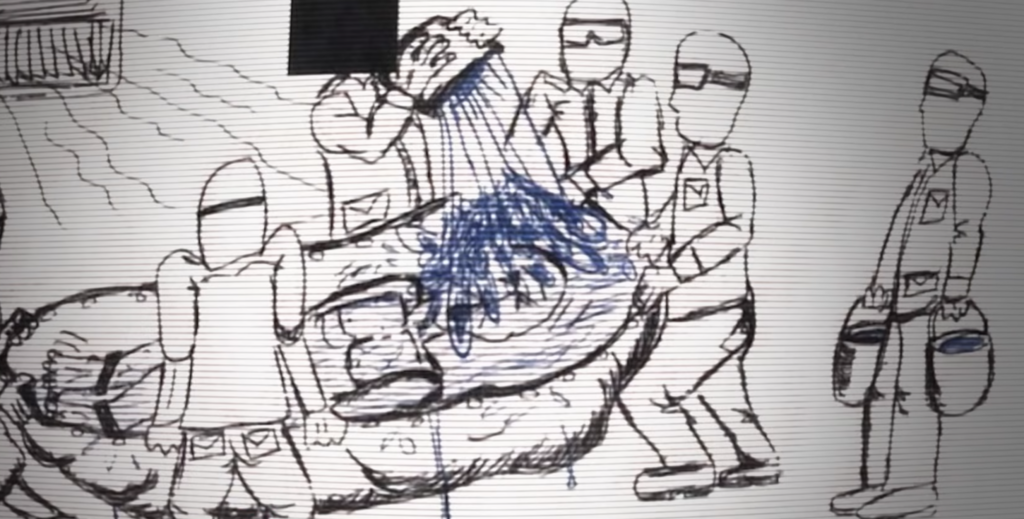
His case represents one of the clearest examples of indefinite detention, where imprisonment continues without a defined endpoint.
Another major figure is Mohamedou Ould Slahi, who spent 15 years in Guantanamo without charge. Originally detained after voluntarily cooperating with authorities in Mauritania, he was later transferred to the facility and accused of involvement in terrorist recruitment. He consistently denied the allegations.
Slahi described years of isolation, psychological pressure, and humiliation. His memoir, written while still in detention, revealed the emotional toll of indefinite imprisonment. Even after a judge ordered his release in 2010, he remained detained for several more years before finally being freed in 2016.
Then there is Shaker Aamer, a Saudi born British resident who was held for over a decade without charge. Even after being cleared for release, he remained in Guantanamo for years due to political and diplomatic complications. He described conditions of restraint, isolation, and constant uncertainty. His continued detention despite clearance raised questions about why release decisions do not always result in freedom.
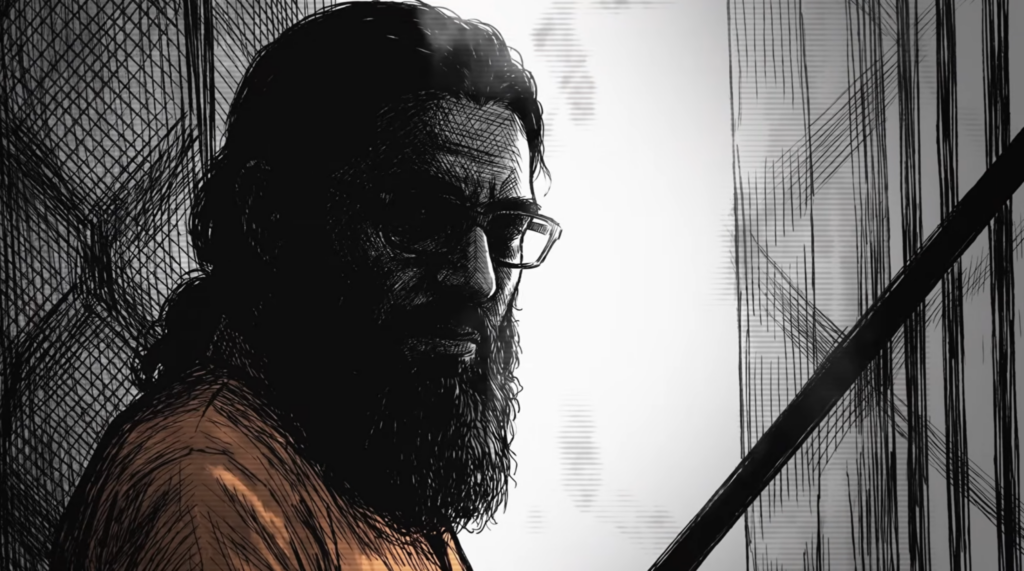
Over time, Guantanamo also became a site of protest. Hunger strikes became one of the only ways detainees could draw attention to their situation. In response, force feeding was used to prevent deaths, leading to international criticism and renewed scrutiny of prison practices.
Public perception of Guantanamo has shifted repeatedly. At times, the U.S. government has attempted to reframe it as a secure, humane detention facility, showcasing libraries, recreation areas, and controlled access for media. However, critics argue that these presentations do not reflect the full reality of the system.
Political efforts to close the facility have also repeatedly failed. In 2009, President Barack Obama announced plans to shut it down, citing damage to U.S. credibility and values. Despite this, legal and political barriers prevented closure.
In the years since, the population has gradually decreased, but the facility has never fully closed. Some detainees have been transferred, while others remain without charge or clear resolution. A small number have died in custody without ever facing trial.

Today, Guantanamo Bay stands as a complex symbol. It represents national security policy, legal ambiguity, and the long lasting consequences of decisions made in moments of crisis.
It is a place where geography was used to shift legal boundaries, where indefinite detention became reality, and where the definition of justice was repeatedly tested.
Whether viewed as necessary or as a failure of principle, Guantanamo remains one of the most controversial detention systems in modern history.