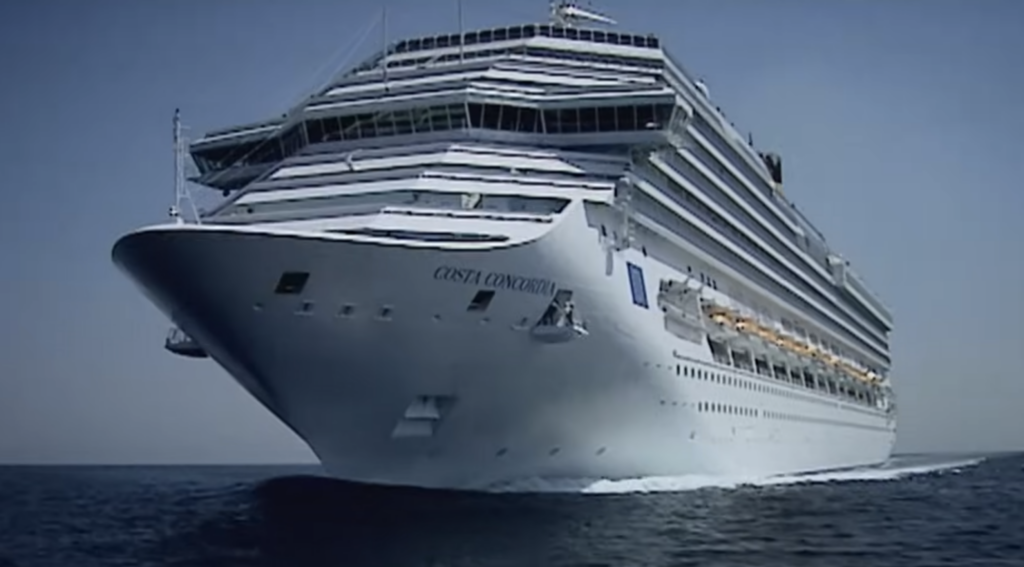
It’s January 13, 2012. Passengers from around the world step aboard the Costa Concordia, a floating city disguised as a cruise ship. Casinos, theaters, pools, restaurants, and a spa stretch across 13 decks. At nearly 951 feet long and weighing about 114,000 tons, she is a resort on water designed to carry over 4,000 people along the Italian coast.
That evening, the ship leaves Civitavecchia at 7:18 P.M. for what should be a routine seven night Mediterranean voyage. The sea is calm, the sky is clear, and passengers settle into dinner and entertainment. At the helm is Captain Francesco Schettino, a man known for dramatic coastal “sail by” maneuvers meant to impress passengers by bringing the ship unusually close to shore.
These unofficial traditions are not harmless theater. As one maritime officer later explained, the practice exists more for spectacle than necessity, and often ignores safety margins and formal navigation plans.
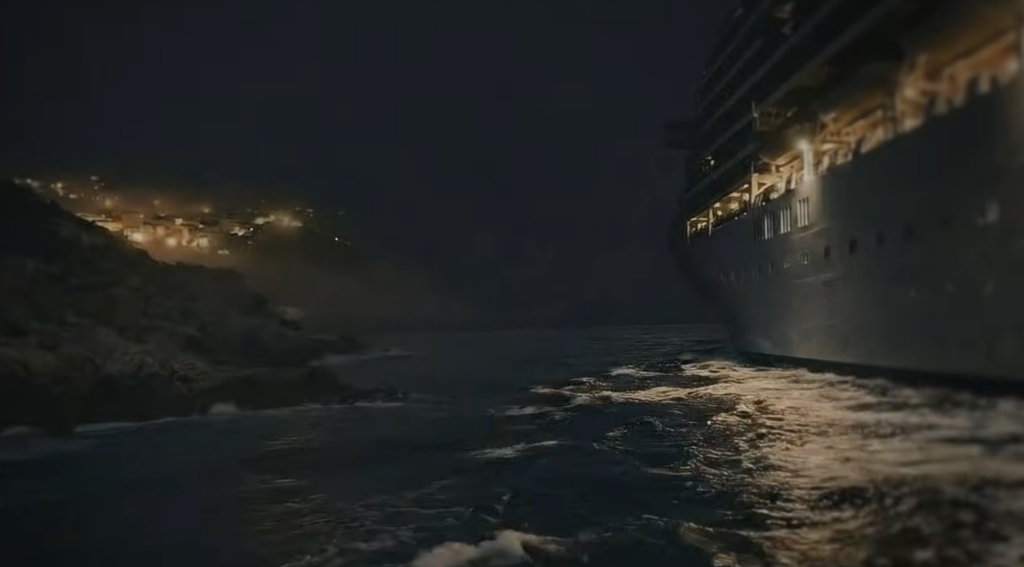
That night, the Concordia moves at about 15 to 16 knots near Giglio Island. The shoreline is dark, visibility is limited, and the ship is off its planned route. On the bridge, decisions unfold quickly and without full awareness of how close danger really is.
At 9:45 P.M., the ship strikes submerged rocks near Le Scole. A massive 174 foot tear opens along the hull. Water floods the engine rooms, power systems fail, and the ship begins to lose control. Inside, lights flicker, glass shatters, and passengers feel the floor tilt beneath them.
At first, confusion rules. Many are told it is a generator failure. There is no immediate distress call. Even as the situation worsens, official communication remains vague. Valuable time is lost while the ship continues to drift in silence.
Eventually, the Coast Guard is contacted. But even then, the severity is downplayed. It takes roughly an hour before the order finally comes, abandon ship.
By then, the Concordia is no longer a stable vessel. It is a tilted structure where hallways become slopes and doors become barriers. Evacuation is chaotic. Lifeboats hang unusably on one side while others crash into the hull on the other. Crew members and passengers struggle to coordinate without clear leadership.
At around 11:00 P.M., the ship grounds near Giglio Island. Local officials and rescuers arrive quickly, but they are met with confusion on board. The captain is not where he should be.
As the vessel tilts further, survival becomes physical. Passengers climb slanted corridors, form human chains, and jump into freezing water to reach rocks or rescue boats. Hypothermia becomes one of the greatest dangers.
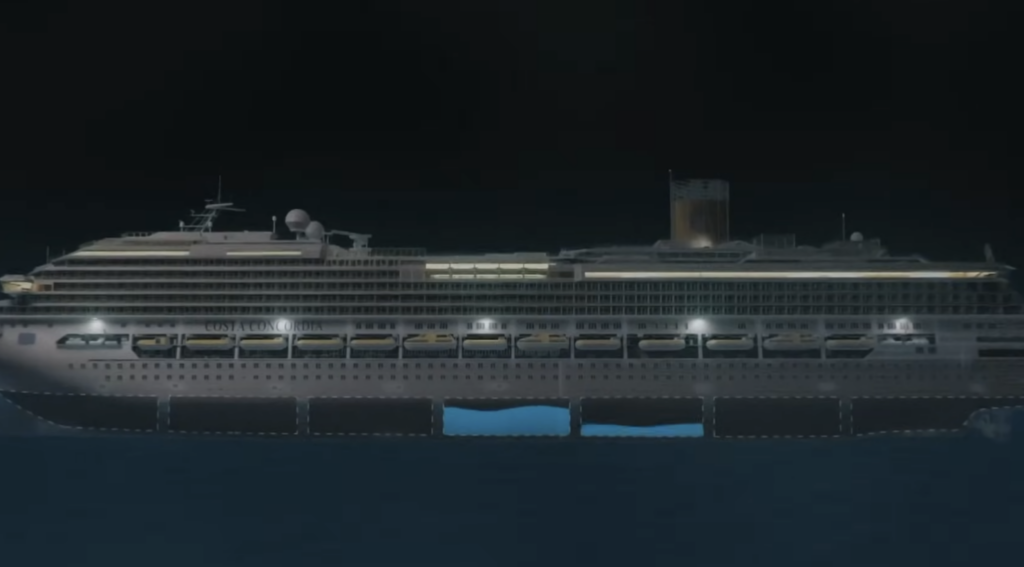
Despite the chaos, many lives are saved by crew members, island residents, and rescue teams who risk everything to evacuate passengers. But not everyone makes it. Thirty two people lose their lives.
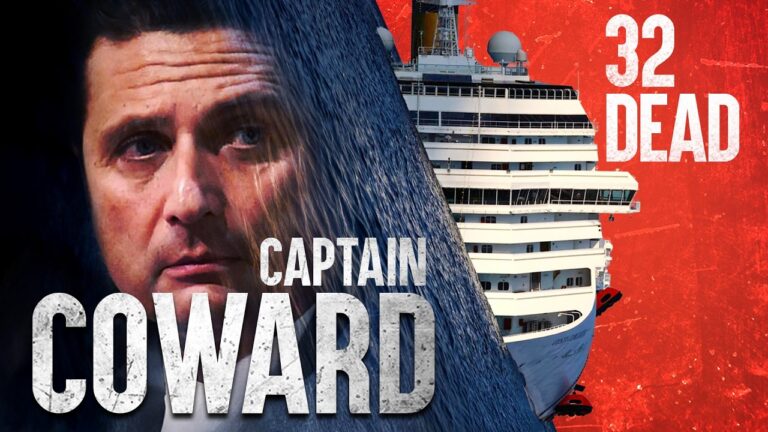
In the aftermath, attention turns to leadership. Investigations reveal delays in communication, failure to follow procedures, and abandonment of command during the most critical phase of the disaster. Schettino later leaves the ship while passengers are still trapped.
He is eventually convicted of manslaughter, causing a shipwreck, and abandoning ship. In 2015, he is sentenced to 16 years in prison, later upheld by Italy’s highest court.
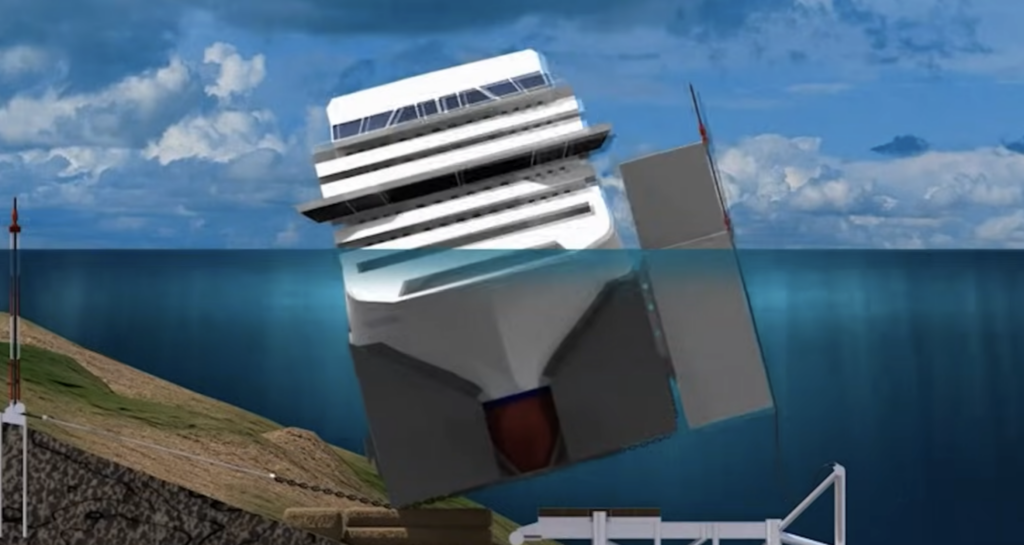
The Costa Concordia is eventually righted in one of the largest salvage operations ever attempted and later scrapped. The cost of the disaster reaches nearly 2 billion dollars.
In the end, the tragedy is not only about a ship hitting rocks. It is about how a series of small decisions, delayed reactions, and broken discipline can turn a controlled voyage into catastrophe.