
After a night of drinking, the morning after can feel like a punishment your body is not prepared for. Dry mouth that feels like sandpaper, a pounding head, a face that looks swollen and unfamiliar, and fragmented memories of the night before. Hangovers are uncomfortable, disruptive, and extremely common.
So what actually helps when you wake up like this?
Science has been trying to answer that question for a long time, but the truth is surprising. There is no universal cure for a hangover. Even after centuries of alcohol consumption, researchers still do not fully understand every mechanism behind why hangovers happen.
That said, studies in alcohol research have identified several factors that contribute to how bad you feel the next day, and a few strategies that may reduce the severity of symptoms.

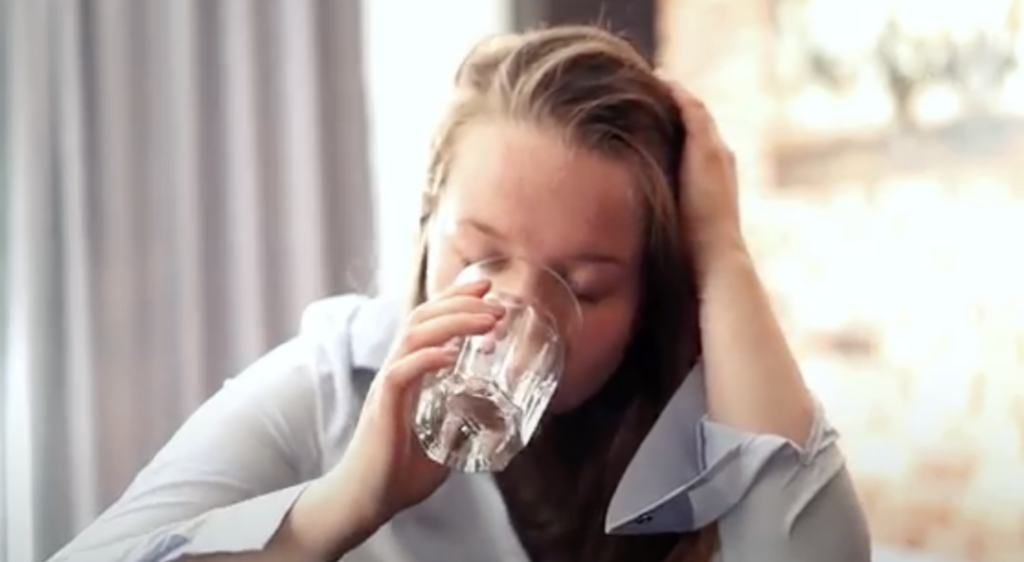
The first and most commonly suggested solution is hydration. Alcohol interferes with a hormone called vasopressin, also known as antidiuretic hormone. This hormone normally helps your kidneys retain water. When it is suppressed, your body loses more fluid, which is why you end up dehydrated and constantly needing to urinate while drinking.
Dehydration does play a role in how you feel the next morning, but it is not the only cause of hangover symptoms. Researchers have found that toxic byproducts created when your body breaks down alcohol, especially acetaldehyde, are also major contributors to nausea, fatigue, and rapid heartbeat.
Because of this, drinking water alone is not a complete solution. However, staying hydrated during alcohol consumption can help slow down intake and reduce overall alcohol exposure, which can make the following morning less severe. Simply put, the less alcohol you consume, the milder your hangover is likely to be.
Food may also play a role in recovery. As your body processes alcohol, it produces acetaldehyde, a toxic compound linked to many hangover symptoms. Certain nutrients, particularly the amino acid cysteine, may help break down this compound more efficiently. Cysteine can be found in foods like eggs, which is why a traditional breakfast after drinking may actually offer some mild support. Other simple foods like oatmeal can also help stabilize energy levels if you are not able to eat heavily.
Another factor that influences hangover severity is the type of alcohol you drink. Studies comparing different alcoholic beverages have shown that darker drinks such as whiskey, rum, and red wine often produce more intense hangovers than clearer spirits like vodka. This is due to congeners, chemical byproducts of fermentation that are present in higher amounts in darker alcohols. While no alcohol is hangover free, beverages with fewer congeners tend to be less harsh on the body.
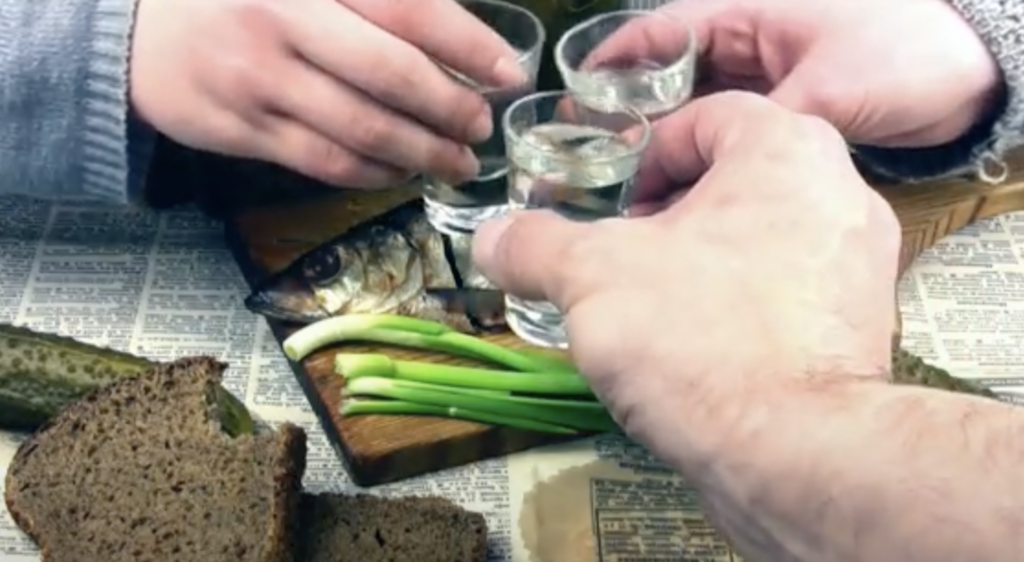
You may also hear the idea of the “hair of the dog,” meaning drinking more alcohol the next morning to relieve symptoms. Historically, this phrase comes from old beliefs that exposure to a substance could cure its effects. In reality, while another drink may temporarily dull symptoms, it simply delays the crash and can prolong recovery rather than solve it.
Ultimately, the most reliable way to avoid a hangover is to reduce alcohol intake or avoid it altogether. There is no perfect scientific cure, only ways to lessen the impact your body experiences.
In the end, hangovers are your body’s response to stress, dehydration, and toxic byproducts working together. Science is still uncovering exactly how all of this interacts, but one thing remains clear. The less your body has to process, the easier the next morning will be.