There is a reason people say you should never travel alone in the Amazon rainforest.
As you go deeper into the jungle, the feeling of being watched becomes impossible to ignore. Every sound in the trees feels closer than it should be. A branch snaps somewhere behind you. Was that a roar in the distance?
At some point, you realize this breathtaking ecosystem is also home to creatures that can take your breath away forever.
Here is how to survive the most dangerous animals of the Amazon.
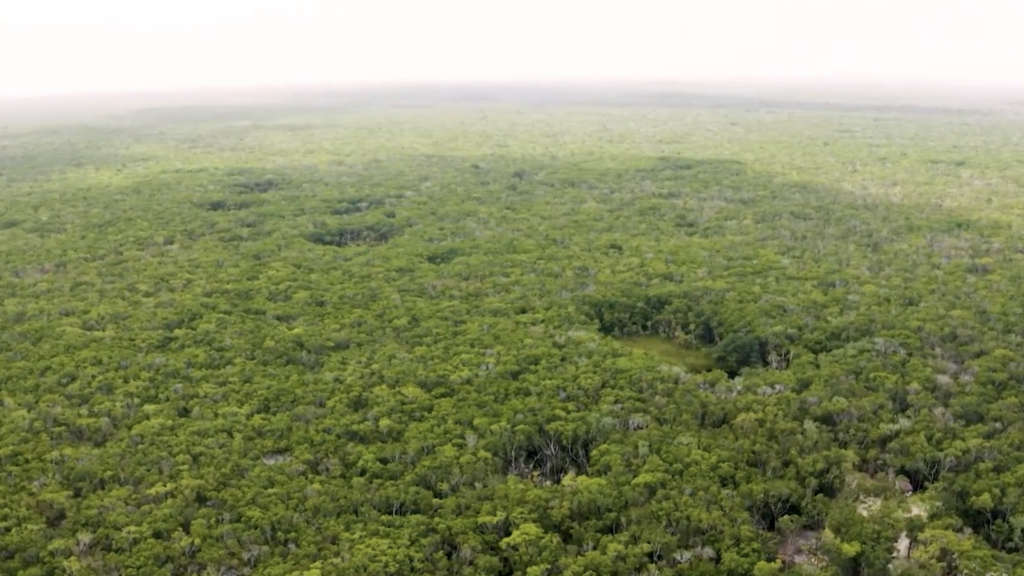
The Amazon rainforest covers an area five times larger than Texas and remains one of the most unexplored regions on Earth. It holds around 10 percent of all known wildlife species. Many of them are harmless. Some of them are not.
Whether you are on foot, traveling by river, or staying above ground, danger can come from every direction.
Number 5: Amazonian Giant Centipede
The Amazonian giant centipede is one of the largest centipedes in the world, reaching around 30 centimeters in length. Despite its small size compared to larger predators, it is highly aggressive and uses venom to overpower its prey, including insects, lizards, and even small mammals.
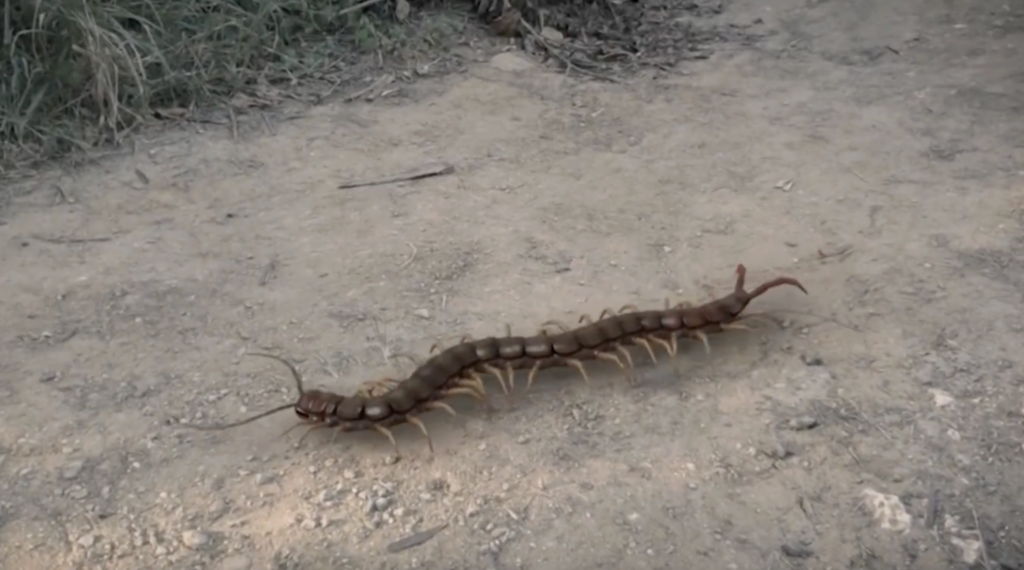
If threatened or stepped on, it can deliver a painful bite. The venom may cause intense pain and serious reactions affecting the nervous system, cardiovascular system, and respiratory system.
In a place where every step matters, even the ground itself can be risky. Wearing protective footwear can make a real difference.
Number 4: Bull Shark
Bull sharks are unique because they can survive in both saltwater and freshwater. That means they can travel deep into river systems, including parts of the Amazon basin, much closer to humans than most people expect.
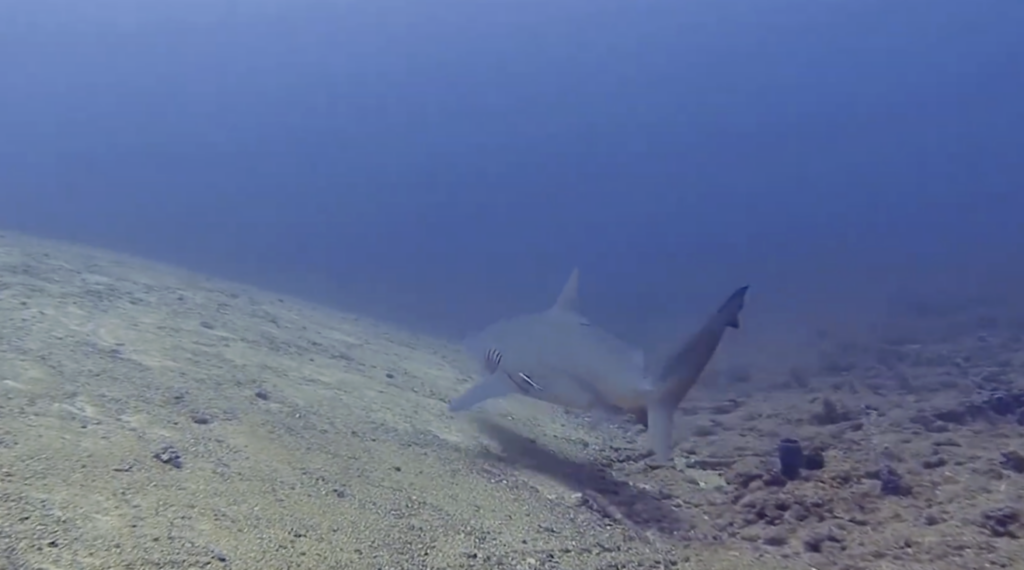
They are powerful predators with a strong bite and a reputation for being highly adaptable hunters. While they typically feed on fish and other aquatic animals, they are opportunistic and will investigate anything that enters their territory.
The danger here is simple. If you are in the water, you are in their world.
Number 3: Poison Dart Frogs
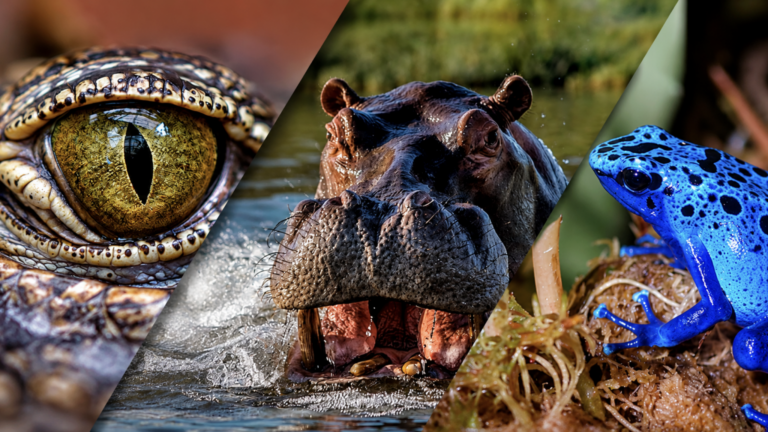
Poison dart frogs may look harmless because of their small size, but their bright colors are a warning sign. Some species carry toxins strong enough to kill multiple humans.
Their poison is secreted through the skin. Even brief contact can be dangerous, depending on the species and exposure level.
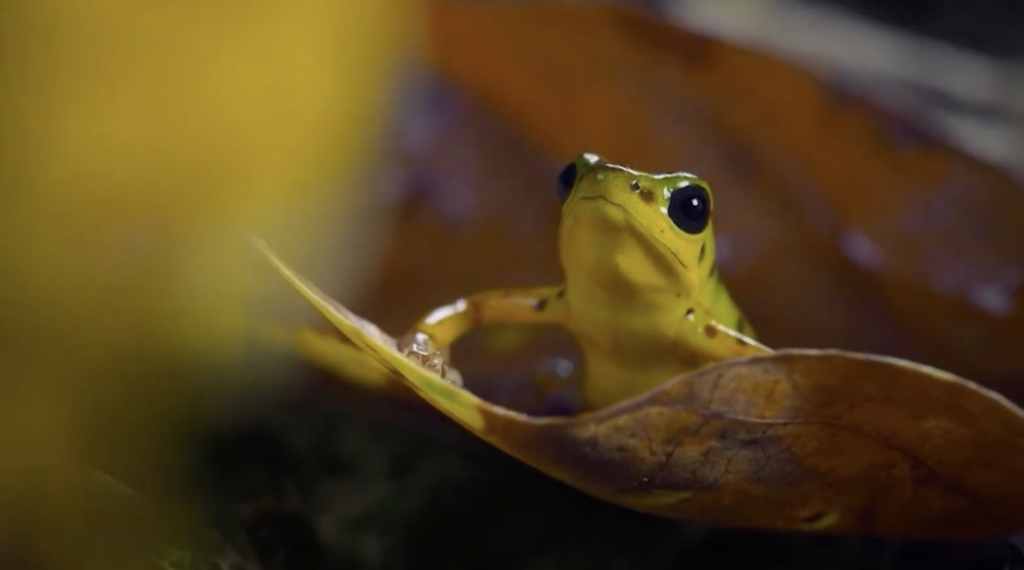
Indigenous groups in the Amazon have historically used these toxins on blow darts for hunting, which shows just how potent they can be.
In the rainforest, bright colors often mean one thing. Stay away.
Number 2: Black Caiman
The black caiman is one of the largest predators in the Amazon, growing up to 5 meters in length. It is a powerful ambush hunter that uses stealth, patience, and explosive force to capture prey near the water.
Once it attacks, it can drag its target into deep water and use powerful twisting movements to subdue it. Survival depends entirely on quick thinking and distance.
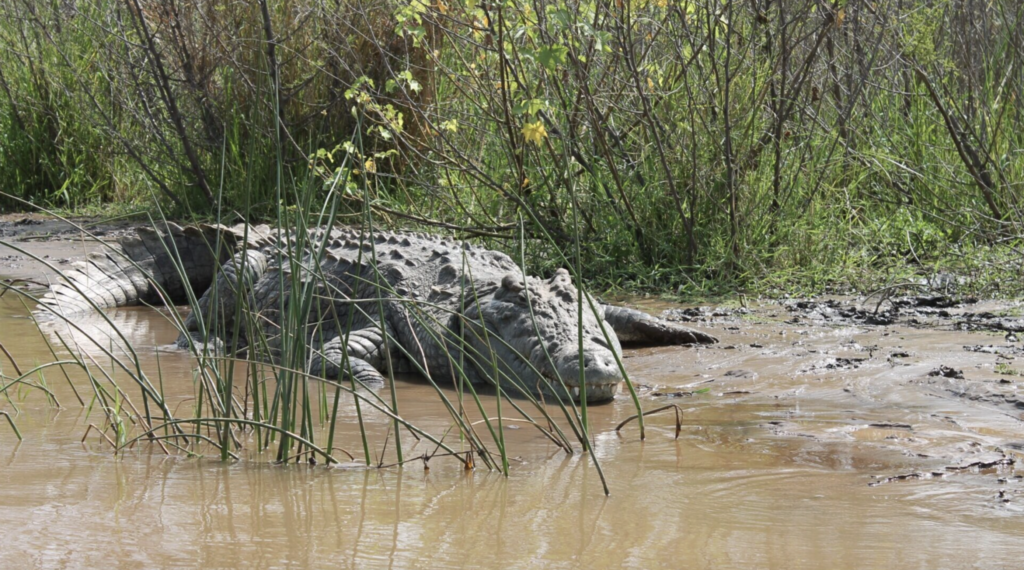
There have been rare survival cases where victims managed to fight back by targeting sensitive areas like the eyes and snout, creating enough disruption to escape.
If you ever spot one, the safest response is simple. Do not approach and move away slowly.
Number 1: Jaguar
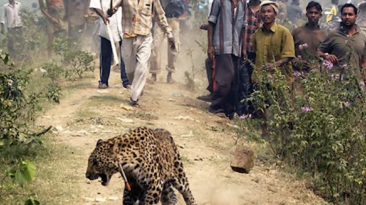
At the top of the Amazon’s food chain sits the jaguar. It is the largest big cat in the Americas and one of the most powerful predators relative to its size.
Unlike many other big cats, jaguars are strong swimmers and can hunt on land, in water, and along riverbanks. Their bite is powerful enough to crush bone and pierce skulls.
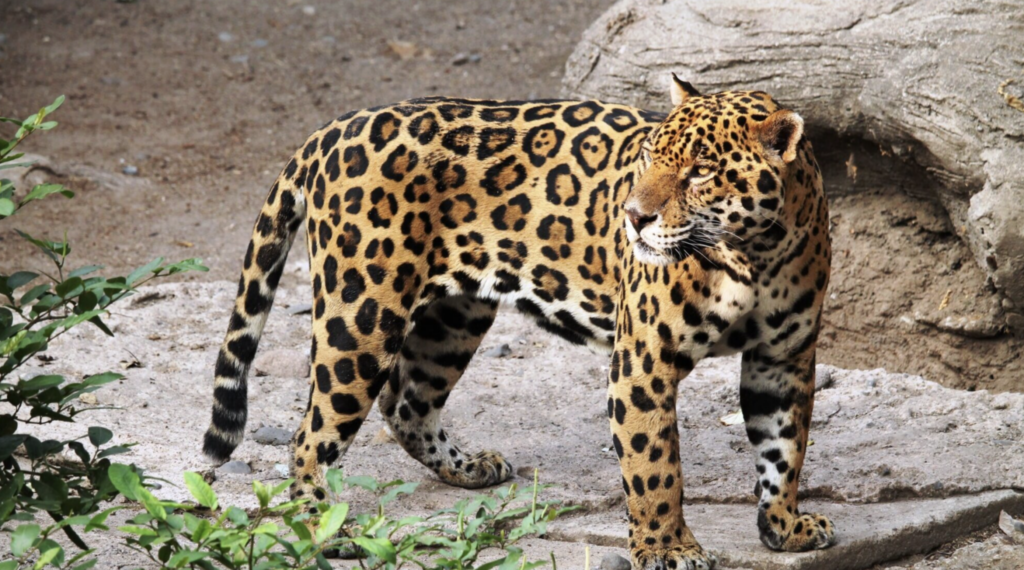
They are ambush predators, often striking without warning from dense vegetation or even from above near river edges.
If you encounter a jaguar, making yourself appear larger and maintaining eye contact can help discourage an attack. Back away slowly without turning your back.
If it charges, the only chance is to fight back aggressively and aim for vulnerable areas.
You have now survived the most dangerous animals of the Amazon.