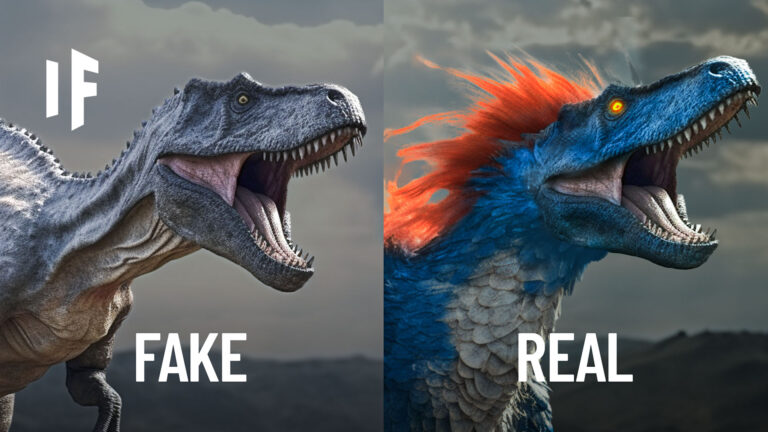
When you think of dinosaurs, you probably imagine enormous creatures like the Tyrannosaurus Rex chasing prey or massive long necked giants walking across prehistoric landscapes. For decades, movies, documentaries, and popular culture have shaped the way we picture these ancient animals.
However, many of the things people believe about dinosaurs are outdated or completely wrong. Scientists have uncovered new fossils and evidence that reveal a much stranger and more complex history of these incredible creatures.
1. Dinosaurs aren’t entirely extinct
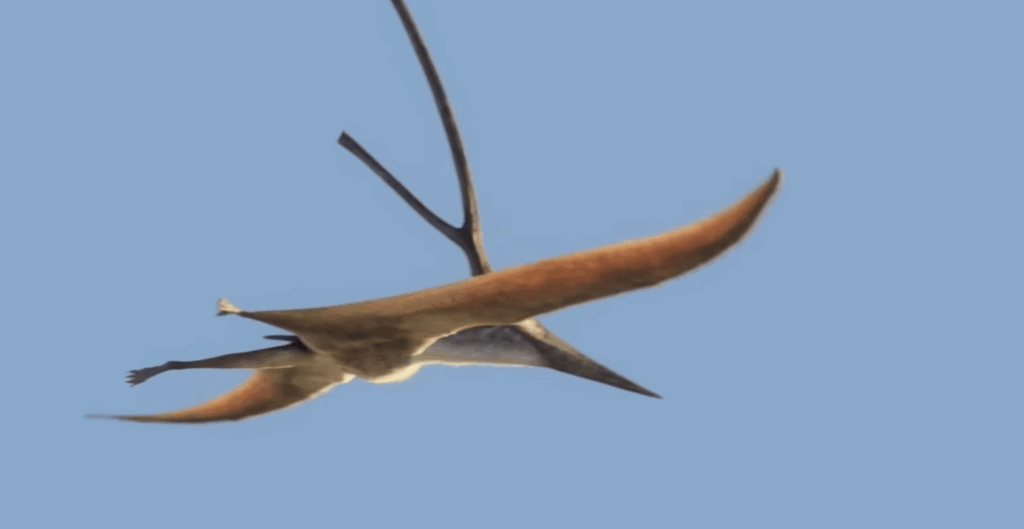
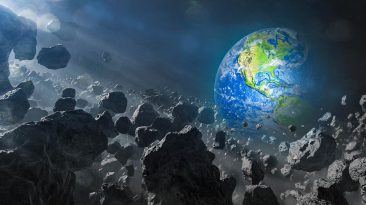
Many people believe that dinosaurs completely disappeared after the asteroid impact 65 million years ago, but that is not entirely true. One group of dinosaurs survived the catastrophic event: theropods, the same branch that included famous predators like the Tyrannosaurus Rex. These small, feathered dinosaurs had lightweight skeletons and many developed the ability to fly, giving them an advantage when the planet’s environment changed.
The survivors eventually evolved into the birds we see today. That means every pigeon, eagle, and chicken is technically a living descendant of dinosaurs. Instead of disappearing forever, dinosaurs continued their story in a completely different form.
2. Not all dinosaurs were massive
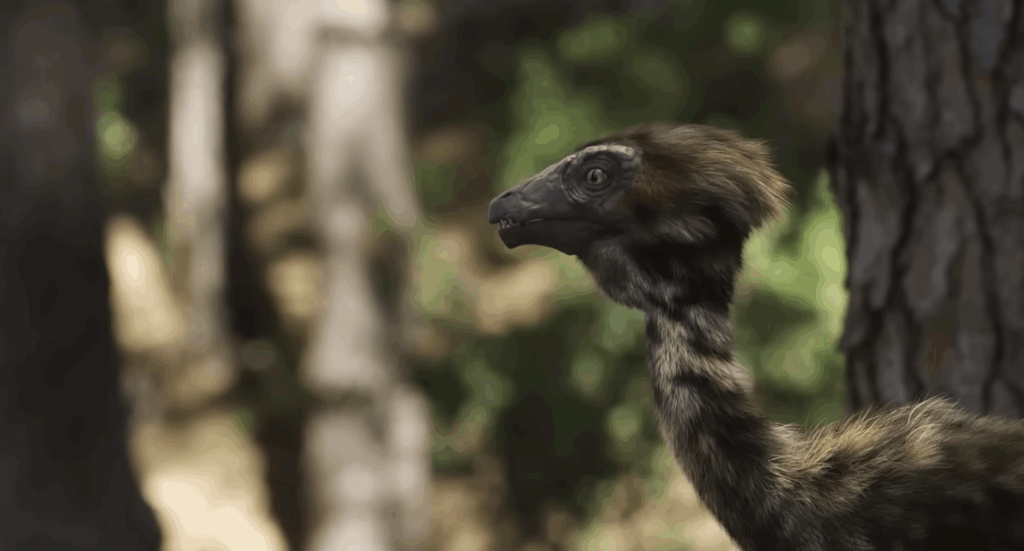
When most people imagine dinosaurs, they picture gigantic creatures towering over everything around them. While some species were truly enormous, not every dinosaur was a giant. The Tyrannosaurus Rex could grow up to 12 meters (40 feet) long, and the Brachiosaurus could reach around 13 meters (43 feet) in height, but many other dinosaurs were surprisingly small.
Some dinosaurs were no larger than modern birds. The Microraptor, for example, was about the size of a crow and had feathers and wing like structures. These discoveries show that the dinosaur world was incredibly diverse, with species ranging from tiny feathered hunters to massive plant eating giants.
3. The Brontosaurus almost didn’t exist
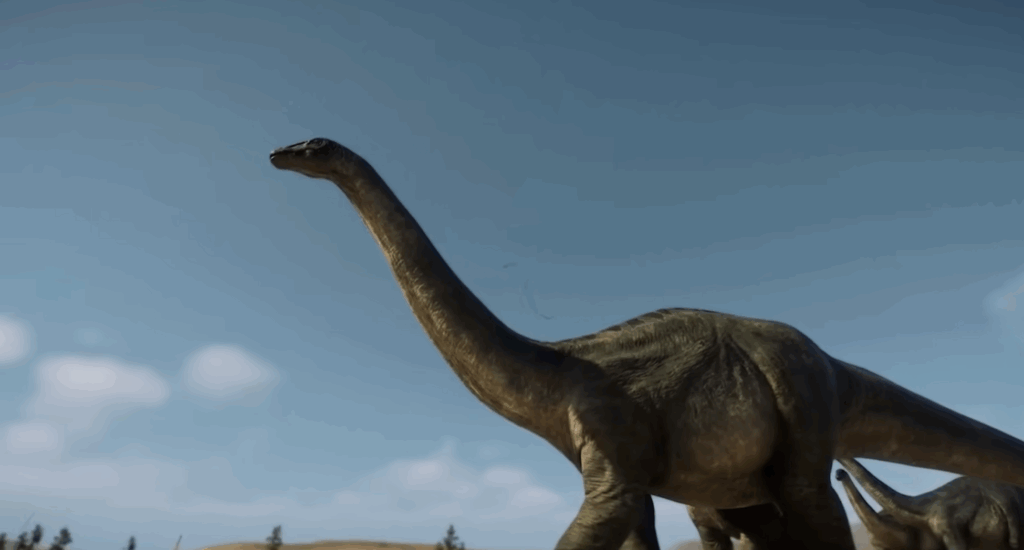
The Brontosaurus is one of the most recognizable dinosaurs in history, but for many years scientists questioned whether it was actually a separate species. When it was first discovered, researchers believed it was simply another example of Apatosaurus and removed Brontosaurus from scientific classification.
However, new studies published in 2015 suggested that Brontosaurus had enough unique features to be considered its own dinosaur again. The debate showed that paleontology is constantly changing as scientists discover new evidence. Even famous dinosaurs can be reexamined and rewritten as our understanding improves.
4. T Rex had incredible eyesight
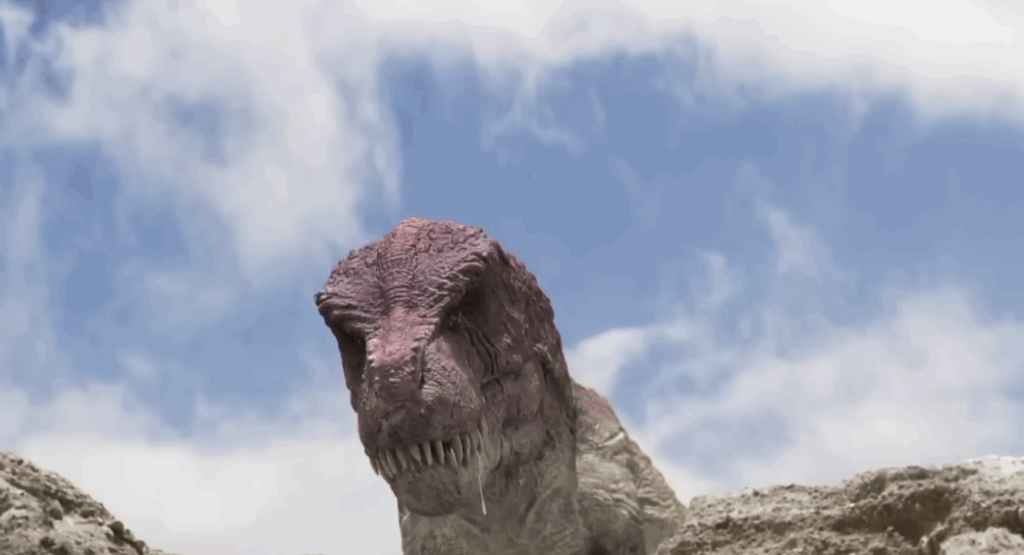
Movies have often portrayed the Tyrannosaurus Rex as a predator that could only detect prey when it moved. This idea created the impression that staying completely still could fool one of the most dangerous dinosaurs. However, scientists have discovered that this was far from the truth.
T Rex had forward facing eyes that provided excellent depth perception, allowing it to accurately judge distances while hunting. Some studies suggest its vision may have been comparable to or even better than many modern birds of prey. With powerful jaws, sharp senses, and strong muscles, T Rex was a highly advanced predator.
5. T Rex posture was horizontal not upright
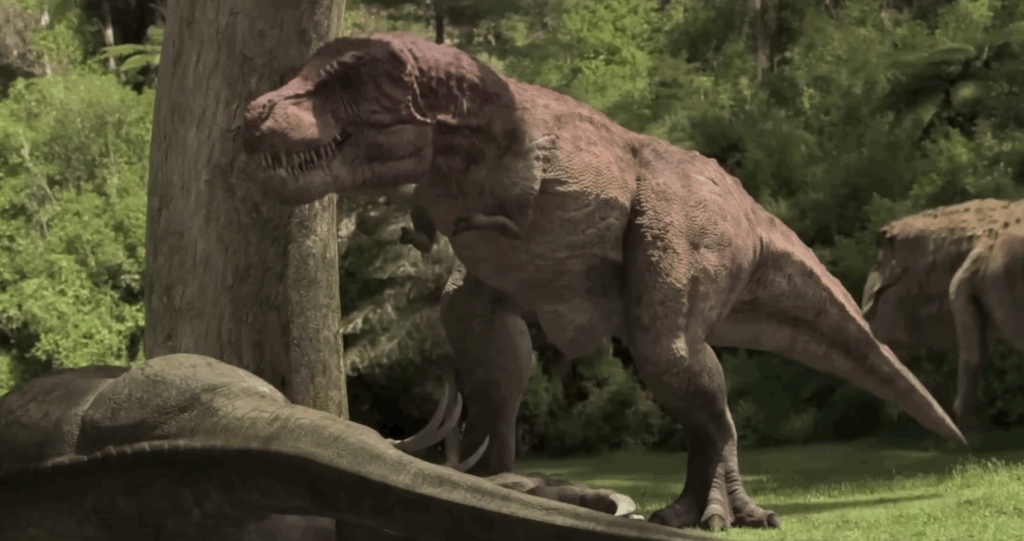
Early illustrations often showed the Tyrannosaurus Rex standing upright with its tail dragging on the ground, similar to the way giant movie monsters are shown. Scientists now know this image was inaccurate. A T Rex held its body almost parallel to the ground, balancing its massive head with its long tail.
This horizontal posture helped the dinosaur maintain balance and move more efficiently. Its tail acted like a counterweight, allowing it to run, turn, and hunt without losing stability. Modern reconstructions give us a much more realistic picture of how this predator actually moved.
6. Dinosaurs didn’t all live at the same time
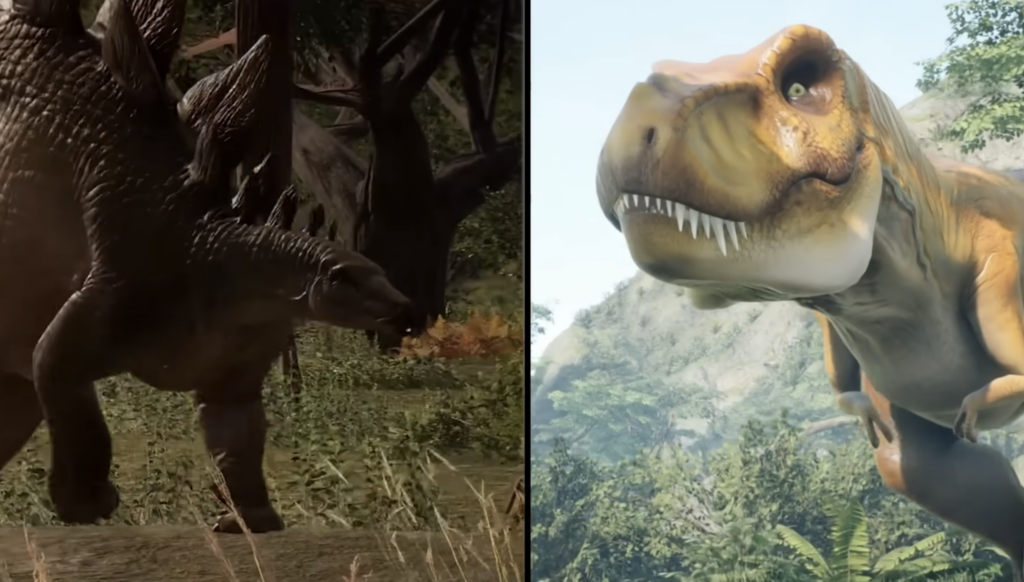
One of the biggest misconceptions about dinosaurs is that all species lived together during the same period. In reality, dinosaurs existed for more than 180 million years during the Mesozoic Era, which was divided into the Triassic, Jurassic, and Cretaceous periods.
Different dinosaurs appeared and disappeared throughout this enormous timeline. For example, Stegosaurus lived around 150 million years ago, while Tyrannosaurus Rex appeared near the end of the dinosaur age, around 68 million years ago. These two famous dinosaurs were separated by tens of millions of years and never encountered each other.
7. Dinosaurs weren’t all cold blooded
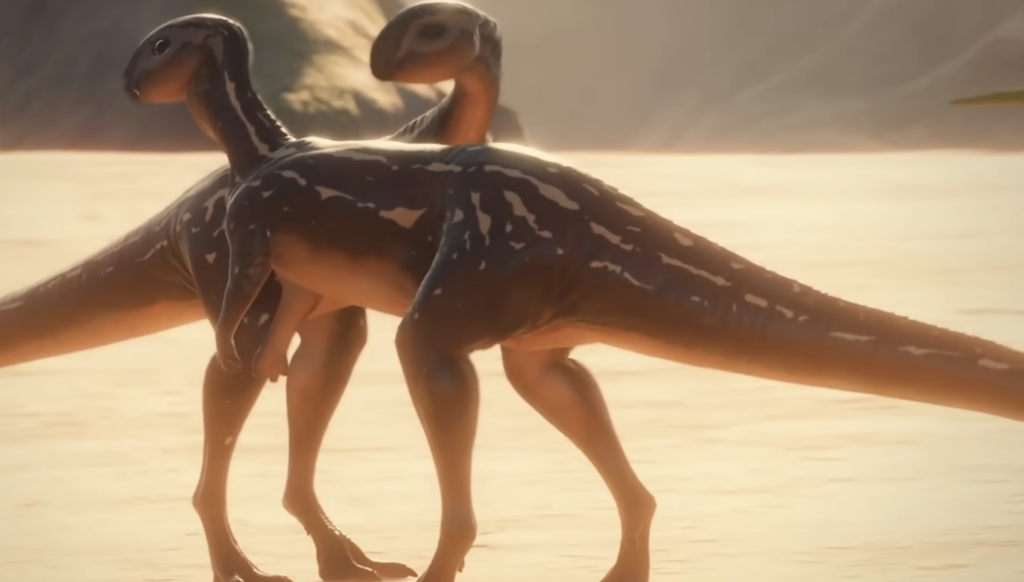
For a long time, scientists imagined dinosaurs as slow moving reptiles that relied completely on the outside temperature to control their body heat. This view made dinosaurs seem much less active than they probably were. However, modern research has changed this understanding.
Evidence suggests that many dinosaurs may have been mesothermic, meaning they could produce some internal body heat while not being fully warm blooded like mammals. This ability may have helped them remain active, grow faster, and survive in different environments. Instead of being simple giant reptiles, dinosaurs were much more advanced animals than scientists once believed.
As new fossils continue to be discovered, our picture of dinosaurs keeps changing. These ancient creatures were more diverse, intelligent, and adaptable than popular culture often suggests. The more scientists learn, the more fascinating the real world of dinosaurs becomes.