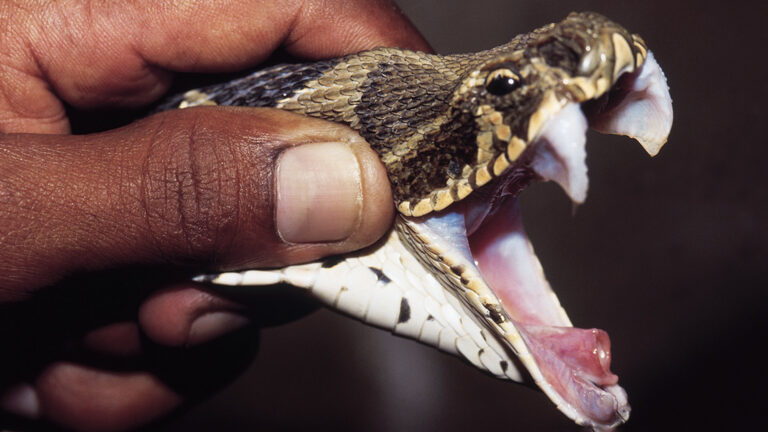
A snake bite can turn into a life threatening emergency within minutes. Every year, millions of people around the world are bitten by venomous snakes, and some cases result in severe injuries, permanent damage, or death.
When a venomous snake attacks, panic can take over. Many people rely on old survival myths or instinctive reactions that can actually make the situation much worse. From trying to remove venom to making dangerous movements, certain mistakes can increase the chances of serious complications.
Knowing what not to do could make the difference between survival and a tragic outcome.
5. Don’t Trust a Dead Snake
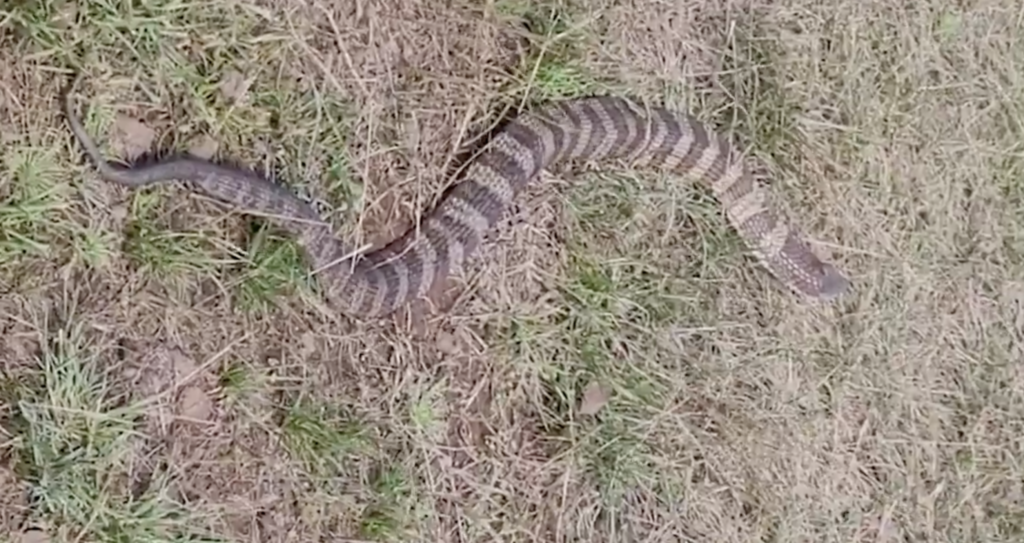
Finding a dead venomous snake might seem like a safe opportunity to get closer and examine it. However, touching a snake after it appears lifeless can be a dangerous mistake.
Some snakes are capable of pretending to be dead as a defense mechanism. They may remain completely still while waiting for a threat to get close enough before reacting.
Even if the snake is truly dead, its muscles can still contain reflex movements for a period of time after death. This means its fangs could still strike if the body is handled carelessly. A dead snake may look harmless, but it should always be treated as a potential danger.
4. Don’t Make a Tourniquet
When people see a serious injury, their first instinct is often to stop the spread of damage by restricting blood flow. While tourniquets can save lives in some emergencies, they are not recommended for most snake bites.
A tourniquet can trap venom in one area, causing it to become highly concentrated around the bite. This can increase tissue damage and raise the risk of severe injuries, including possible amputation.
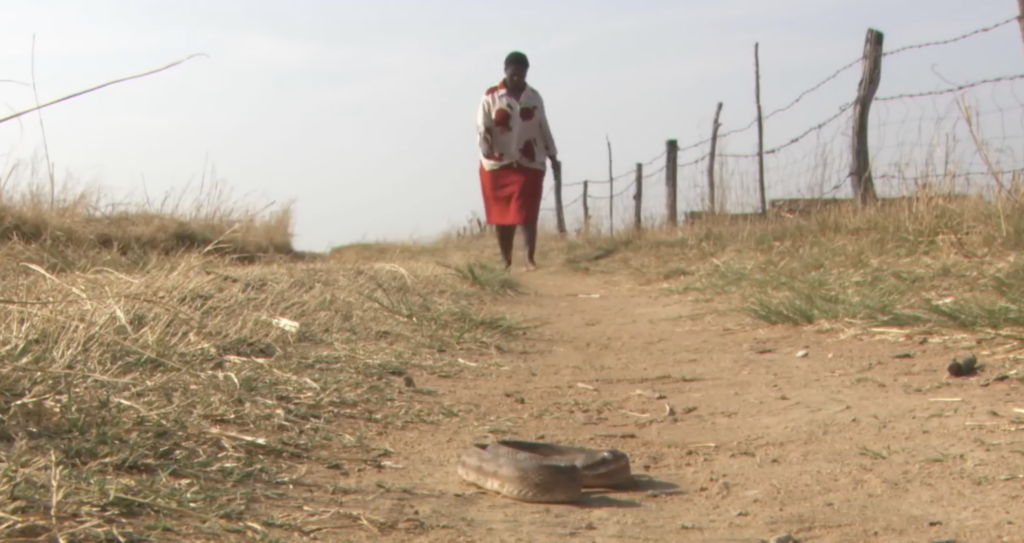
In one case, a man bitten by a timber rattlesnake had a tourniquet placed around his arm by someone trying to help. Medical workers advised removing it immediately because keeping it on could have made the situation far more dangerous.
3. Don’t Wait for Symptoms
One of the biggest mistakes after a snake bite is assuming everything is fine because symptoms have not appeared yet. Some people wait until they feel pain, dizziness, blurred vision, or weakness before seeking help.
However, venom does not always cause immediate warning signs. Some snake bites can initially seem harmless, even when the venom is already affecting the body.
Waiting for symptoms can waste valuable time. By the time serious effects appear, the venom may have already caused significant damage. Getting medical attention as quickly as possible is one of the most important steps after a venomous snake bite.
2. Don’t Try to Suck Out the Venom
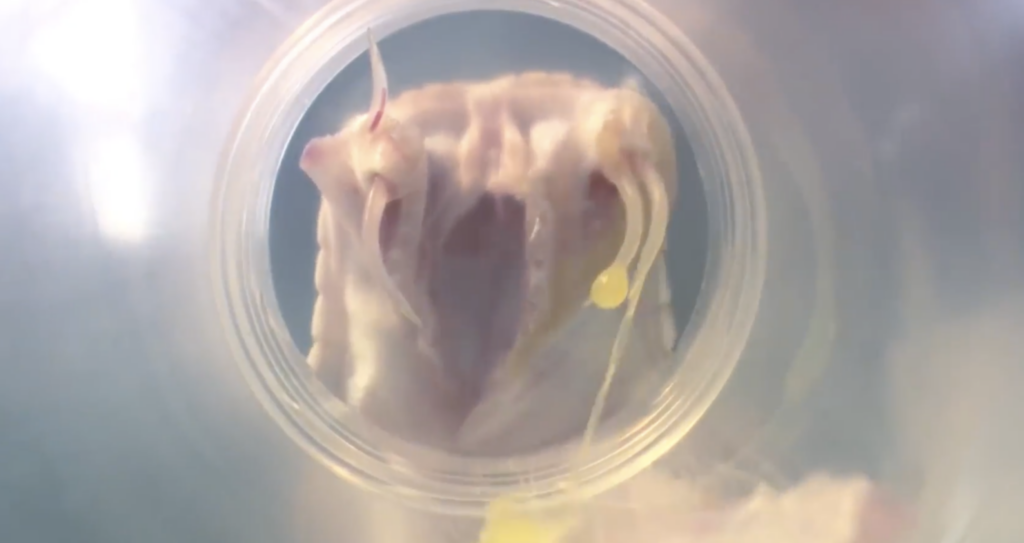
Movies and survival stories have popularized the idea that sucking venom out of a snake bite can save a person’s life. In reality, this method does not remove a meaningful amount of venom and can create additional risks.
The human mouth contains bacteria that can infect the wound, making the injury even more complicated. There is also no strong evidence that sucking venom from a bite is an effective treatment.
Trying this method can waste precious time that should be spent getting medical help. Instead of attempting dangerous home remedies, the safest option is to stay calm, limit movement, and seek professional treatment immediately.
1. Don’t Raise the Bite Area
After a snake bite, many people instinctively raise the injured arm or leg, thinking it will help. However, this can actually allow venom to move more quickly through the body.
Keeping the bite area lower than the heart can slow the movement of venom through the bloodstream. Gravity makes it harder for venom to travel upward, giving you more time to reach medical assistance.
The most important thing after a snake attack is to avoid panic. Move as little as possible, keep the affected area still, and focus on getting emergency help. The goal is not to fight the venom yourself, but to slow its effects until professionals can treat you.
A snake bite is terrifying, but the wrong reaction can make it even more dangerous. Avoiding these common mistakes and knowing the correct steps could greatly improve your chances of survival.