Being locked up is already difficult. But then you are moved even further away from everyone else, into a prison within a prison.
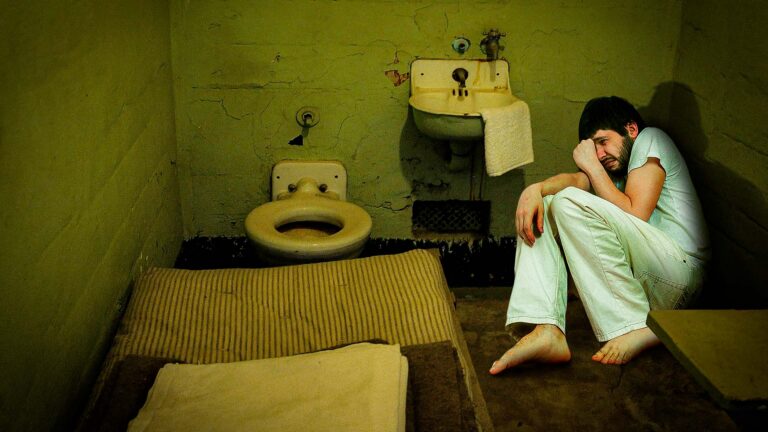
A cold, small room becomes your entire world. Twenty three hours a day pass inside the same walls, with no real human contact and no clear sense of time. Days begin to blur together. Weeks lose meaning. Eventually, even months and years become difficult to measure.
In this environment, the only constant companion is your own mind.
And that is where the real challenge begins.
Solitary confinement is used in prison systems around the world, and in the United States alone, estimates suggest that tens of thousands of inmates experience some form of isolation on any given day. While it is intended as a form of control or punishment, research has shown that prolonged isolation can have serious psychological effects.
Studies have linked solitary confinement to changes in brain function, particularly in areas responsible for memory, emotional regulation, and spatial awareness. Over time, the brain adapts to the lack of stimulation, but those adaptations can come at a cost. Some effects may last long after release, making it difficult for individuals to fully return to normal life.
Inside the cell, everything becomes smaller than life itself.
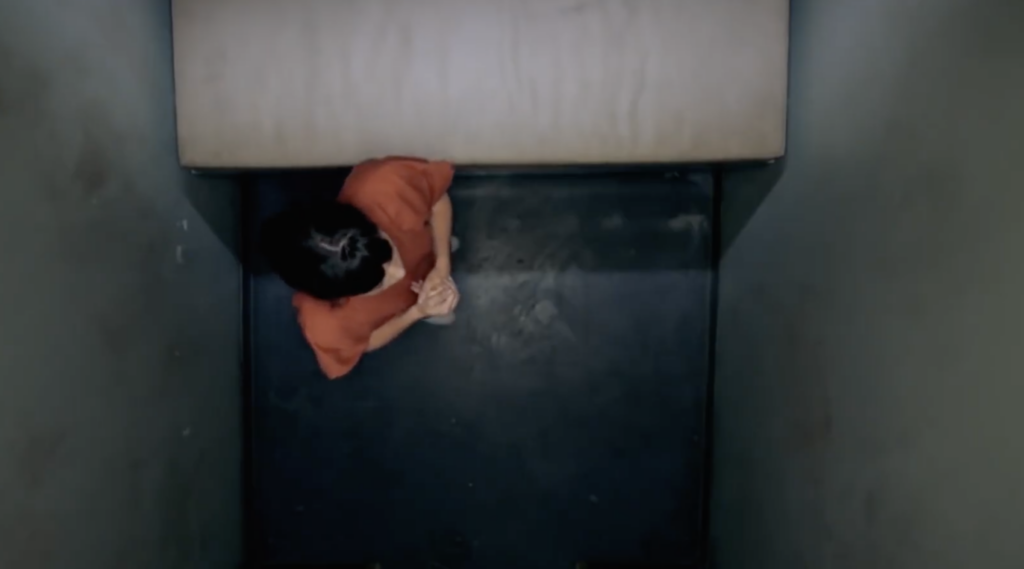
A standard isolation cell may measure only a few square meters. Within that space, survival becomes less about physical endurance and more about mental stability.
Step 1: Create Structure in a Small Space
One of the first challenges is the loss of structure.
When everything happens in the same confined area, the mind can begin to lose orientation. Creating a sense of order, even in a small cell, becomes important. Some individuals mentally divide their space into different zones for sleeping, hygiene, and sitting. This small act of organization can help restore a sense of control.
Step 2: Use the Mind as a Form of Escape
With no external stimulation, the brain turns inward.
Imagination becomes one of the only tools available. Mental visualization, memory reconstruction, and storytelling can help keep cognitive functions active. People often mentally revisit memories, construct detailed imaginary environments, or rehearse conversations to maintain mental engagement.
Without this kind of mental activity, the sense of isolation can become overwhelming.
Step 3: Maintain Personal Identity
One of the more subtle effects of solitary confinement is the erosion of identity.
Without social interaction, even basic routines like speaking aloud, keeping track of time, or maintaining hygiene can become important psychological anchors. Small physical habits, such as grooming or cleaning, help reinforce the sense of self and continuity.
These actions may seem minor, but in extreme isolation, they help remind the mind that it still exists as part of a person.
Step 4: Physical Health Still Matters
Isolation does not only affect the mind.
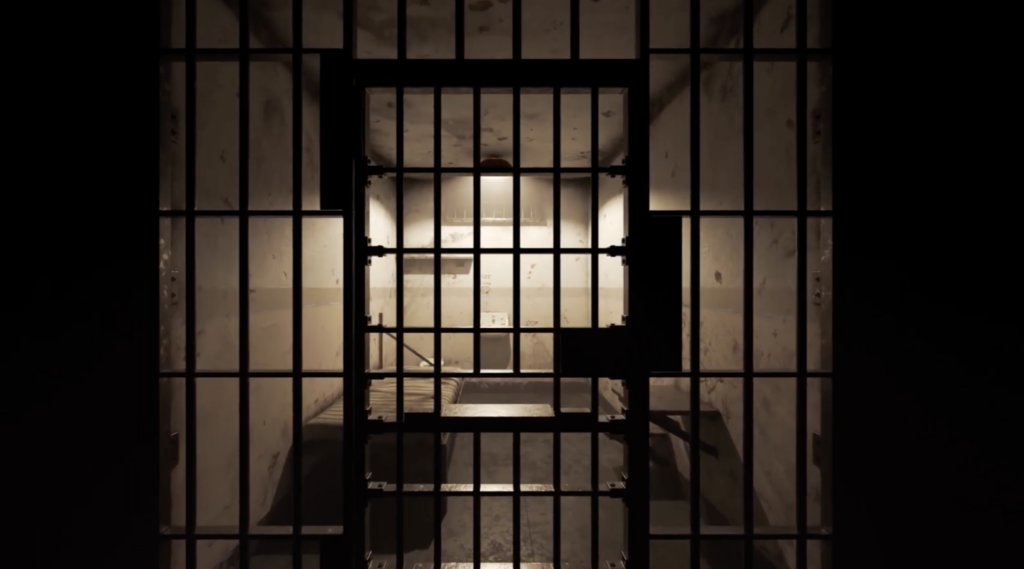
Limited movement, lack of sunlight, and restricted activity can contribute to physical decline. Deficiencies in essential nutrients such as vitamin D can develop over time. Combined with stress and inactivity, this can increase the risk of long term health issues including cardiovascular problems and metabolic disorders.
Maintaining even minimal physical care becomes important for survival in these conditions.
Step 5: Avoid Psychological Collapse Through Routine
Routine becomes one of the only defenses against mental deterioration.
Even simple habits, repeated daily, can provide structure when time itself feels distorted. In some prison systems, limited time outside the cell may be allowed. When it is, using that time calmly and predictably can help reduce psychological strain.
Avoiding unnecessary conflict and focusing on stability becomes a survival strategy in itself.
Solitary confinement is not just physical isolation. It is a sustained test of the human mind under extreme conditions.
And for many, the greatest struggle is not the walls around them, but what those walls do to the mind inside them.