



Swipe Down for Full Video Story
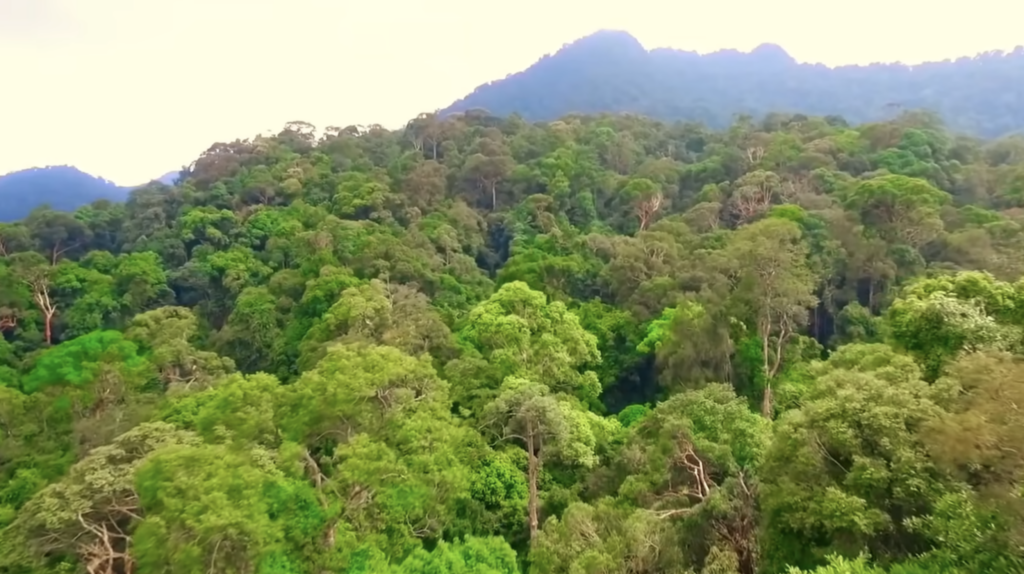
About 90 million years ago, Antarctica was not the frozen desert we know today. It was a warm, swampy world filled with dense forests, where ancient plants thrived under a mild climate. Even during long polar nights with months of darkness, life managed to survive and grow. It was, in many ways, a prehistoric rainforest at the edge of the world.
Now imagine if that ancient environment returned. If Antarctica transformed back into a rainforest, the change would not just reshape one continent, but potentially alter the entire planet.
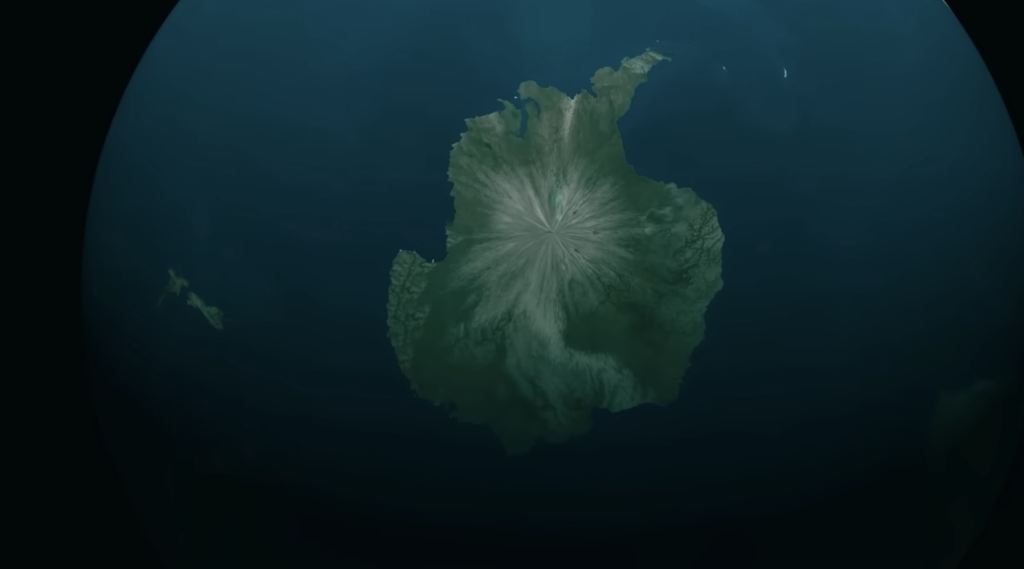
Rainforests are among the most complex ecosystems on Earth. They contain more than half of all known plant and animal species, despite covering only a small fraction of the planet’s surface. In just a few square kilometers, a rainforest can host thousands of plant species, hundreds of tree types, and countless birds, insects, and mammals living in tight ecological balance.
Now scale that up to Antarctica’s enormous size. The continent spans about 14 million square kilometers, making it larger than Europe and nearly twice the size of Australia. If even a portion of that frozen land became a living rainforest, it would create one of the largest ecosystems the Earth has ever seen.
At first glance, this might sound like good news for the planet. A massive new forest could absorb large amounts of carbon dioxide, potentially helping to slow climate change. It could also introduce new biological resources, including plants that might be useful for medicine, food, or materials. In theory, it might even act as a new global carbon sink.
But the reality would be far more complicated.
For a rainforest to exist in Antarctica, the planet’s atmosphere would need to warm significantly. That warming would require higher levels of greenhouse gases, which are already one of the main drivers of modern climate change. In other words, the conditions needed to create a green Antarctica would already push the Earth into a more dangerous climate state.
As temperatures rise, Antarctic ice would begin to melt on a massive scale. The continent that once reflected sunlight back into space would slowly darken, absorbing more heat instead. This would create a feedback loop, where warming leads to more melting, which leads to even more warming.
Scientists are still uncertain whether a new rainforest could absorb enough carbon dioxide to counteract this process. The balance between absorption and warming is extremely complex, and current climate models do not provide a clear answer.
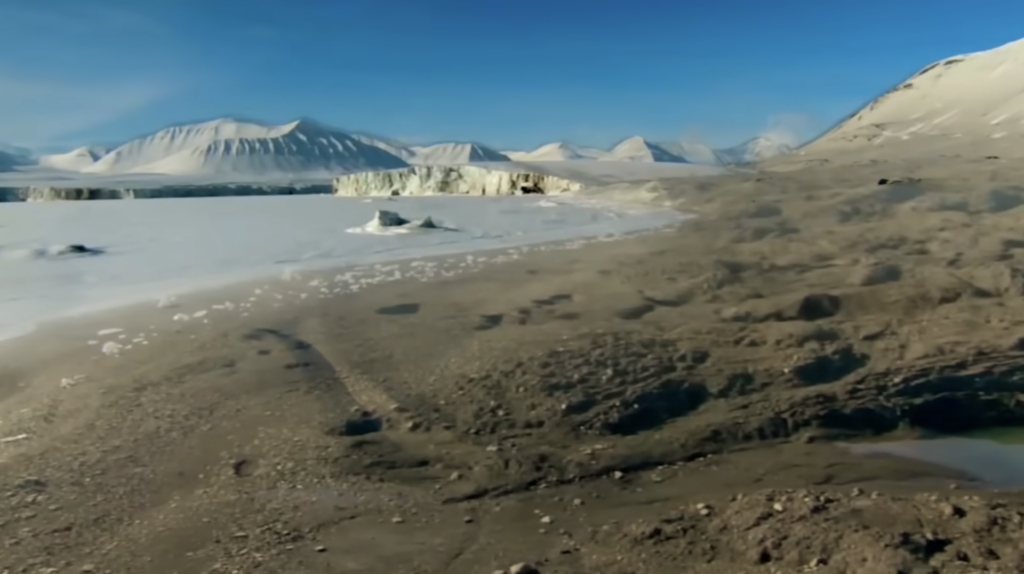
The consequences would not stop at temperature changes. As Antarctic ice melts, sea levels would rise dramatically. Some estimates suggest an increase of up to 60 meters globally if all Antarctic ice were lost. Entire coastal regions would disappear, including major population centers and fertile river basins. Cities in places like Florida, parts of Asia, and low lying regions around the world would be submerged.
Such a shift would displace billions of people, forcing one of the largest migrations in human history.
Marine ecosystems would also be thrown into chaos. The sudden influx of freshwater into the Southern Ocean would disrupt deep ocean currents that regulate global climate. These currents influence weather patterns across the entire planet. If they changed significantly, some regions could experience severe droughts while others face constant flooding.
Agricultural systems would be deeply affected as well. Regions that currently produce large portions of the world’s food supply could become too dry, too wet, or too unstable to sustain farming. Climate zones would shift, forcing ecosystems and human societies to adapt far faster than they could realistically manage.
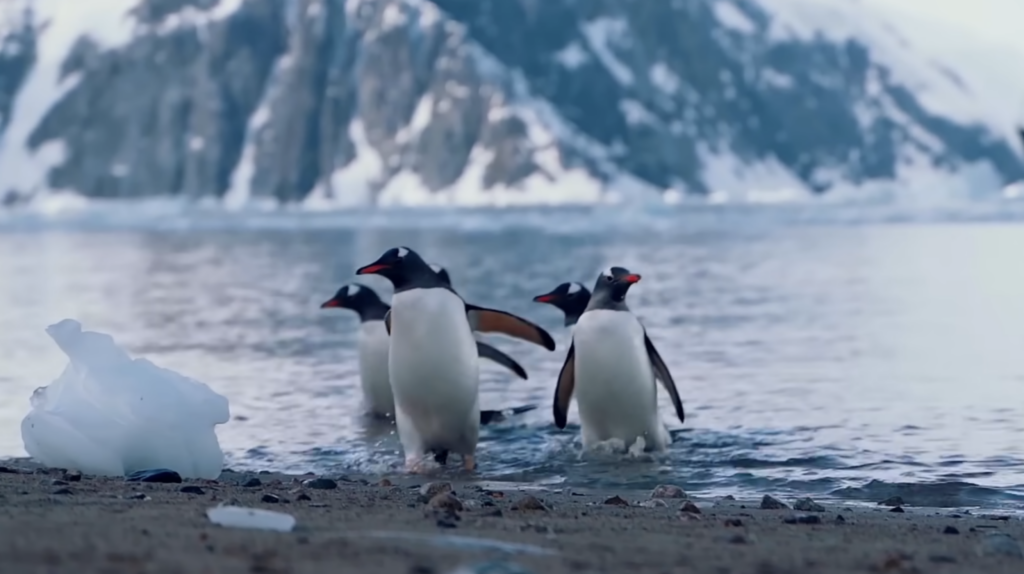
Even the wildlife currently adapted to Antarctic conditions would struggle to survive. Species such as penguins, seals, and cold water organisms would lose their habitat as ice shelves disappeared.
And yet, this scenario is not entirely fictional in concept. Scientists have already observed signs of greening in parts of Antarctica as temperatures slowly rise. Tiny plants like mosses and algae are expanding in limited areas where ice is retreating. It is a small glimpse of what a warmer Antarctica might look like, though still far from a full rainforest ecosystem.
If global temperatures continue to rise due to greenhouse gas emissions, Antarctica will keep changing. Whether it ever becomes a true rainforest is uncertain, but the direction of change is clear: more ice loss, more exposed land, and more ecological transformation.
In the end, a green Antarctica might seem like a strange and even beautiful idea, but it would represent a planet pushed far beyond its natural balance. What appears as new life could come at the cost of global stability, reshaping Earth in ways that would be felt for thousands of years.