




Swipe Down for Full Video Story
The world of Pandora captured audiences with its floating mountains, glowing forests, and breathtaking alien landscapes. In James Cameron’s Avatar films, it appears to be one of the most beautiful places in the universe.
But if Pandora actually existed and had to obey the laws of real physics, it would be far less inviting. Beneath its stunning appearance would be a world filled with deadly hazards capable of killing an unprotected human within moments.
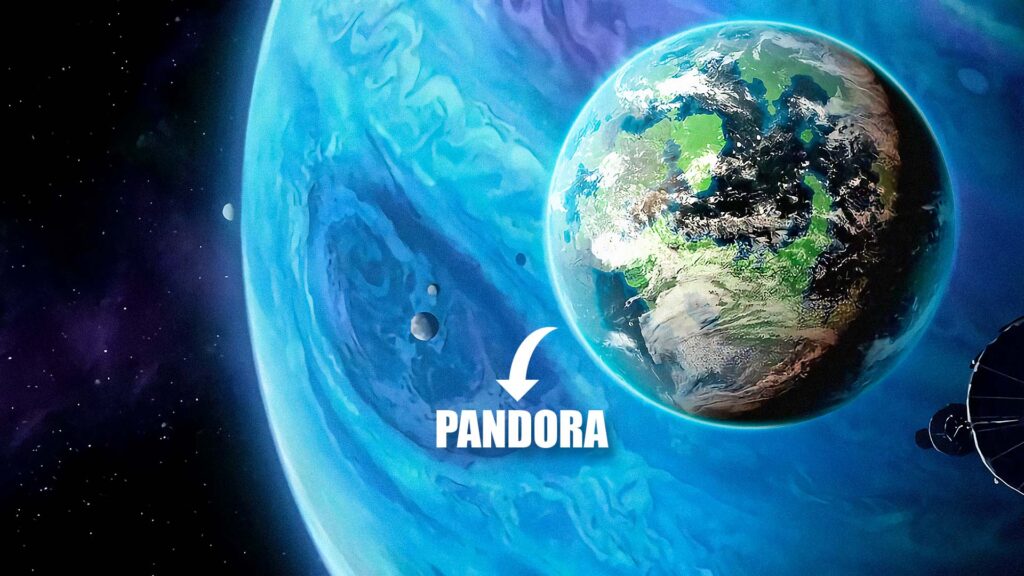
One of the first surprises is that Pandora is not a planet at all. It is a moon orbiting a massive gas giant called Polyphemus in the Alpha Centauri star system. Much like Jupiter’s moons in our own Solar System, Pandora would be locked in a gravitational relationship with its parent planet.
The moon’s gravity would be weaker than Earth’s, allowing visitors to jump higher and move more easily. A person weighing 200 pounds on Earth would effectively weigh around 160 pounds on Pandora.
That might sound appealing, but the dangers begin almost immediately.
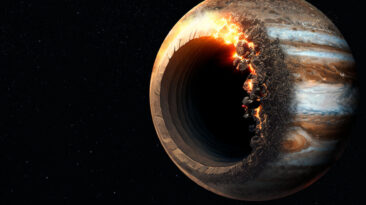
Because Pandora would orbit so closely to a giant gas planet, tidal forces would constantly pull on the moon. Similar effects already occur in our Solar System on Jupiter’s moon Io, the most volcanically active world known. The immense gravitational stress generates heat inside Io, fueling thousands of volcanoes.
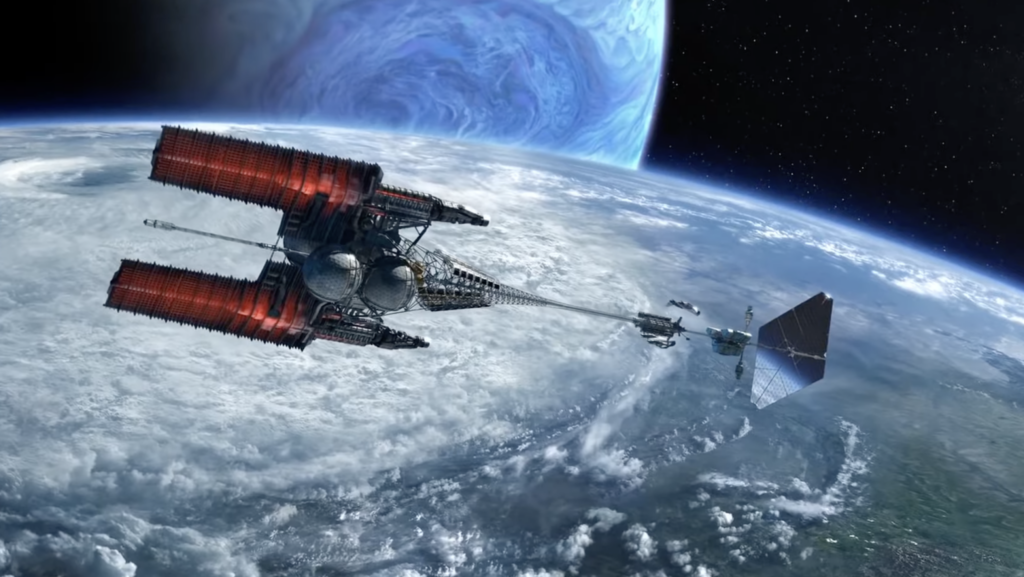
If Pandora experienced similar tidal heating, its surface could be covered with volcanic regions, earthquakes, and geological instability rather than the peaceful jungles seen in the movies.
The sky itself could pose another serious threat. If Polyphemus possessed a magnetosphere similar to Jupiter’s, Pandora would likely sit inside a giant radiation trap. Charged particles would be accelerated throughout the system, creating intense radiation exposure for anything living on the moon’s surface.
Without a powerful magnetic field of its own to shield it, Pandora could become a hostile environment where long term exposure would be extremely dangerous.
Even if radiation were somehow manageable, breathing would be impossible.

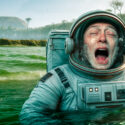
The atmosphere depicted in Avatar is already toxic to humans, and realistic versions of Pandora would likely be even worse. High concentrations of carbon dioxide would prevent humans from obtaining oxygen, while xenon and other gases could interfere with normal bodily functions.
Hydrogen sulfide, a gas famous for its rotten egg smell, would make the environment even more unpleasant. Without a sophisticated life support suit, survival would be measured in minutes or even seconds.
The oceans would offer little refuge. Large amounts of carbon dioxide in the atmosphere would likely dissolve into the water, creating highly acidic seas. Similar processes already occur on Earth as oceans absorb carbon dioxide from the atmosphere. On Pandora, this effect could be far more extreme. Acidic waters could dissolve shells and skeletons of marine organisms, dramatically altering the ecosystem.
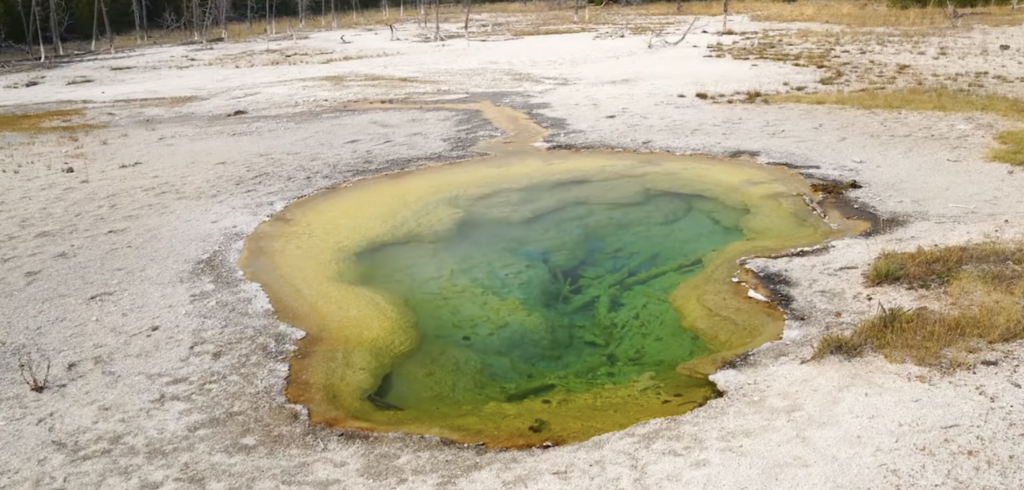
For humans, the consequences could be even more severe. Depending on the level of acidity, prolonged contact with the water could cause serious chemical burns. Anyone venturing into Pandora’s oceans would need protective equipment designed to withstand both toxic chemicals and dangerous marine conditions.
Yet despite these dangers, the moon would still offer incredible sights. Since Pandora is tidally locked to Polyphemus, one side of the moon would always face the enormous gas giant. For anyone living on that hemisphere, the giant planet would permanently dominate the sky, appearing vastly larger than the Moon does from Earth. It would be one of the most spectacular views imaginable.
The celestial show would not end there. The Alpha Centauri system contains multiple stars. Pandora would primarily orbit Alpha Centauri A, but Alpha Centauri B would also contribute significant light. Even during the night, the sky might never become truly dark. Some estimates suggest that Alpha Centauri B could appear thousands of times brighter than Earth’s full Moon.

While that might create beautiful scenery, it could also make normal sleep cycles difficult. Nights would be brighter, longer, and filled with unusual lighting conditions unlike anything humans have evolved to experience.
Modern technology might struggle as well. High radiation levels and constant electromagnetic interference could damage ordinary electronics. Devices taken for granted on Earth, from smartphones to laptops, might require extensive shielding to function reliably. Surviving on Pandora would demand advanced technology specifically engineered for such an extreme environment.
Food would present another challenge. While Pandora’s ecosystem appears rich with plants and animals, alien biology could contain chemicals completely unknown to humans. Toxic metals, powerful acids, or compounds incompatible with human metabolism could make local food dangerous to consume. Every plant and animal would need extensive testing before being considered safe.

The moon’s famous bioluminescence might introduce additional surprises. Many organisms could produce light through chemical reactions, creating forests and oceans that glow in the darkness. While visually stunning, consuming large quantities of unfamiliar bioluminescent organisms could potentially expose humans to strange biochemical compounds with unpredictable effects.
Despite all these risks, Pandora would remain one of the most fascinating worlds ever imagined. Its alien wildlife, glowing ecosystems, and incredible celestial views would make it a scientific treasure unlike anything in our Solar System. Yet the same factors that make Pandora beautiful would also make it extraordinarily dangerous.
The world portrayed in Avatar may look like paradise, but a realistic Pandora would be a place where radiation, toxic air, acidic oceans, and geological instability constantly threaten survival. It would be a breathtaking destination to study from behind the safety of advanced technology, but not necessarily a world anyone would want to call home.