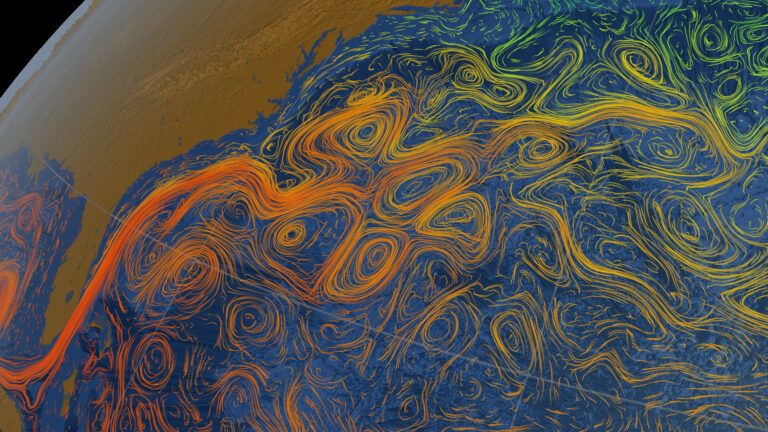
Something strange is happening beneath the surface of the Atlantic Ocean, and scientists are paying close attention. The Gulf Stream, one of the most important ocean currents on Earth, is showing signs of significant weakening.
This massive flow of warm water, which moves heat from the equator toward the North Atlantic, helps regulate weather patterns across the globe. But recent measurements suggest it may now be at its weakest point in more than 1,600 years.
The concern is not just academic. If the Gulf Stream continues to weaken, or worse, collapses entirely, the consequences could reshape climates across continents and disrupt weather systems that billions of people depend on.
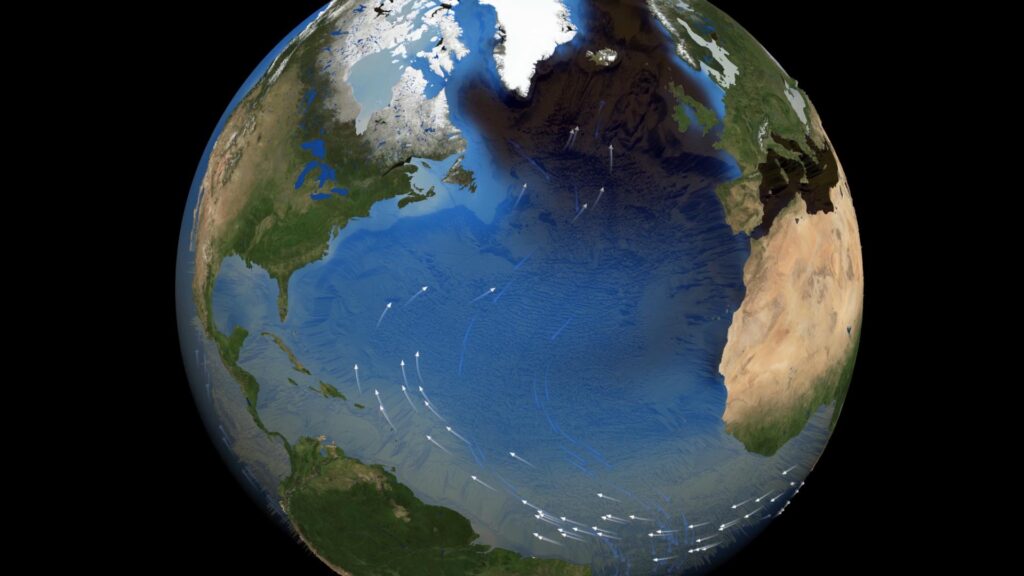
At its core, the Gulf Stream is part of a larger system of ocean circulation driven by differences in temperature and salinity. Warm water from tropical regions travels northward across the Atlantic. As it moves, it releases heat into the atmosphere, helping to keep regions like Western Europe much warmer than they would otherwise be at their latitude.
Once the water cools, it becomes denser and sinks deep into the ocean, forming a return current that flows back toward the south.
This continuous cycle depends on a delicate balance of temperature and salt content. Saltier water is denser, which allows it to sink and keep the system moving. But that balance is now being disrupted.
One of the primary drivers of this change is the influx of fresh water from melting ice sheets and glaciers, particularly in Greenland. As global temperatures rise, large volumes of ice melt into the North Atlantic, adding freshwater into the ocean system. This may sound harmless, but it has a powerful effect on ocean circulation.
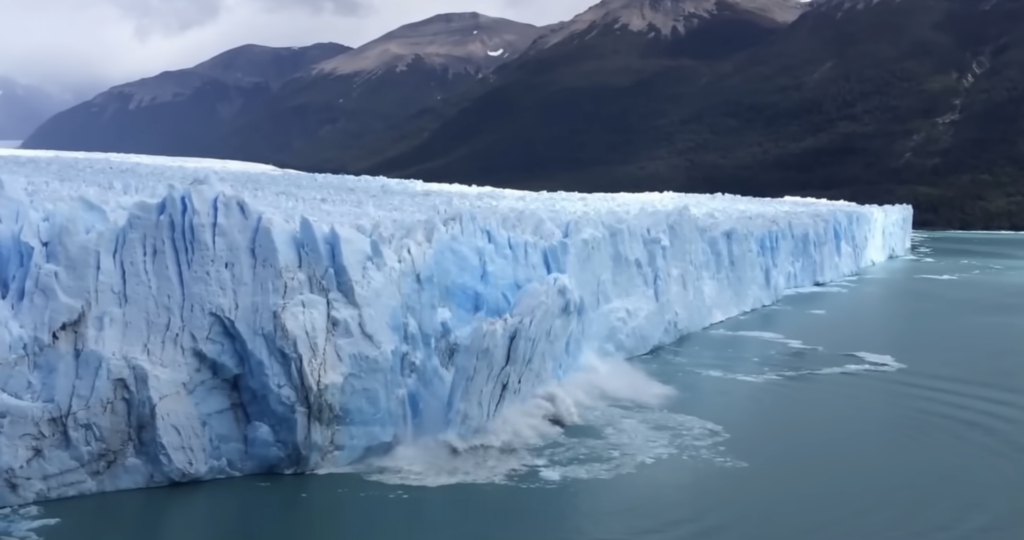
Fresh water is less dense than salty seawater. When it mixes into the Gulf Stream, it reduces the overall salinity and density of the water. As a result, the water does not sink as efficiently when it reaches the northern Atlantic. This weakens the deep return flow that is essential to keeping the current moving.
If too much fresh water continues to enter the system, scientists warn that the circulation could slow dramatically or even reach a tipping point where it collapses. While a complete shutdown is considered unlikely in the immediate future, the risk of major disruption is taken seriously by climate researchers around the world.
The consequences of such a collapse would be far reaching. In North America, especially along the eastern United States, changes in ocean circulation could contribute to more extreme weather patterns, including stronger and more unpredictable hurricanes. Warmer ocean surface temperatures in some regions could fuel storm intensity, increasing the potential for damage during hurricane seasons.
In Europe, the impact could be even more dramatic. The Gulf Stream plays a major role in keeping Western Europe significantly warmer than other regions at similar latitudes. Without it, countries like the United Kingdom, France, and parts of Scandinavia could experience much colder and longer winters.

The shift would not be immediate in a single season, but over time, average temperatures could drop noticeably.
Historical evidence suggests that the Gulf Stream has slowed or even shut down in the distant past. Ice core samples and ocean sediment records indicate that similar circulation changes occurred thousands of years ago during periods of rapid climate fluctuation. These past events were linked to major shifts in temperature across the Northern Hemisphere.
However, the current situation is different in one important way: human driven climate change. While a weakening Gulf Stream could lead to regional cooling in parts of Europe, the overall global trend is still warming. This means that even if the current slows significantly, it would not simply create a colder world everywhere.
Instead, it could produce a more unstable and uneven climate system, with some regions cooling while others continue to heat up.
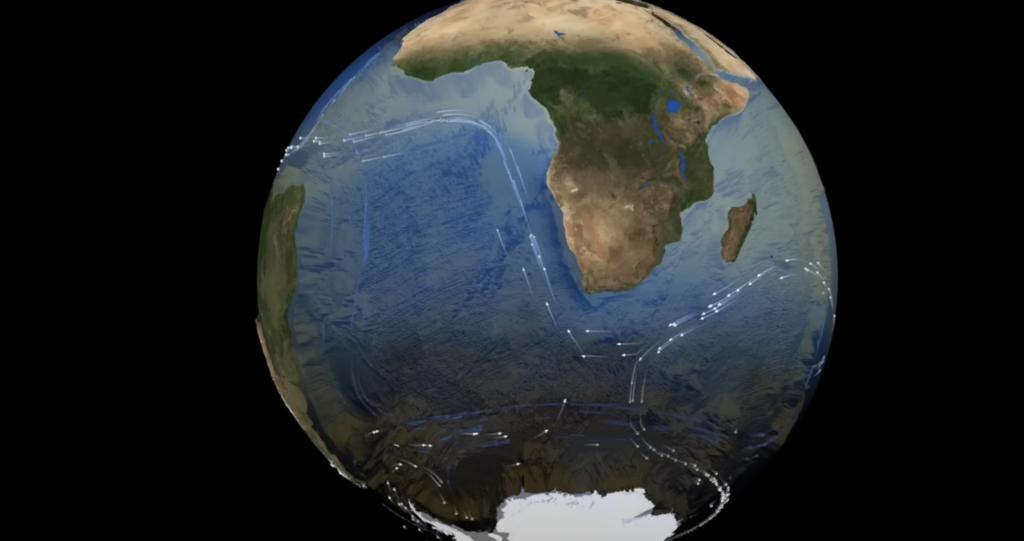
Scientists emphasize that the Gulf Stream has not collapsed, and there is no immediate indication of a sudden shutdown. However, the observed weakening trend is enough to raise concern, especially given how interconnected the system is with global climate stability.
What makes this situation particularly unsettling is how slowly it unfolds. Unlike storms or natural disasters that happen suddenly, changes in ocean circulation develop over decades or even centuries. By the time major effects are fully visible, the system may already be deeply altered.
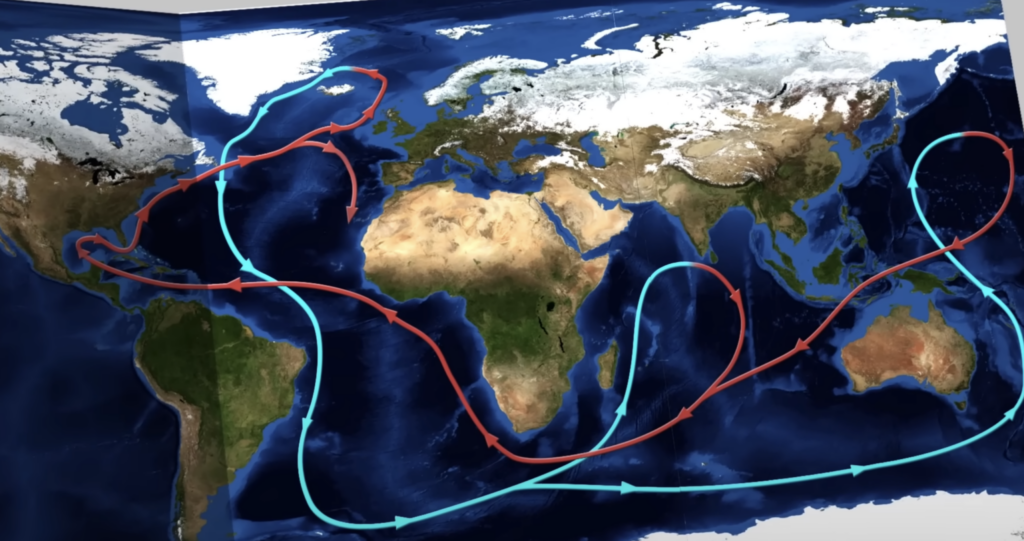
In the end, the Gulf Stream is not just a current in the ocean. It is part of a global climate engine that helps regulate temperatures, weather patterns, and storm behavior across the planet. Its weakening serves as a reminder that even massive Earth systems can be sensitive to relatively small changes in temperature and salinity.
Whether the current stabilizes or continues to decline remains one of the most closely watched questions in climate science. What is already clear, however, is that something unusual is happening beneath the waves, and its effects could reach far beyond the Atlantic Ocean.