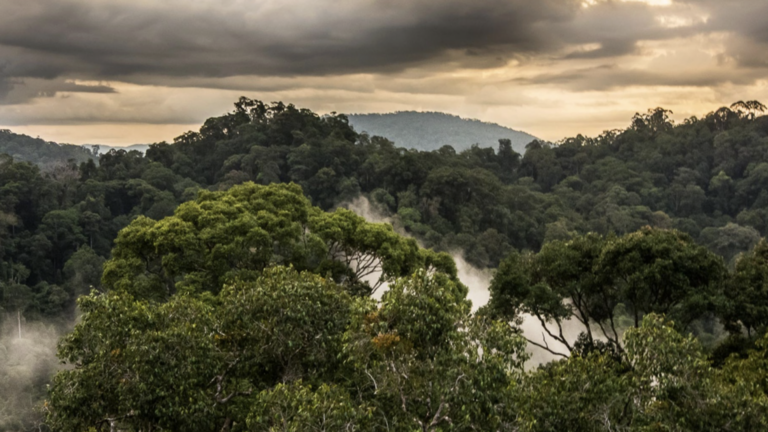
Most people assume that by now, scientists have discovered nearly every animal living on Earth. After all, satellites can map the planet in incredible detail, and researchers have explored even some of its most remote environments.
Yet nature continues to surprise us. A recent discovery in the rainforests of Borneo proves that entirely new species are still waiting to be found, sometimes hiding in places no bigger than a handful of fallen leaves.
Scientists recently identified a previously unknown species of tiny beetle in the forests of Borneo. So small that it is only about the size of a pinhead, the insect belongs to the genus Clavicornaltica, a group of miniature flea beetles known for their incredible jumping ability. Despite its tiny size, the discovery is an important reminder that Earth’s biodiversity is far from fully documented.
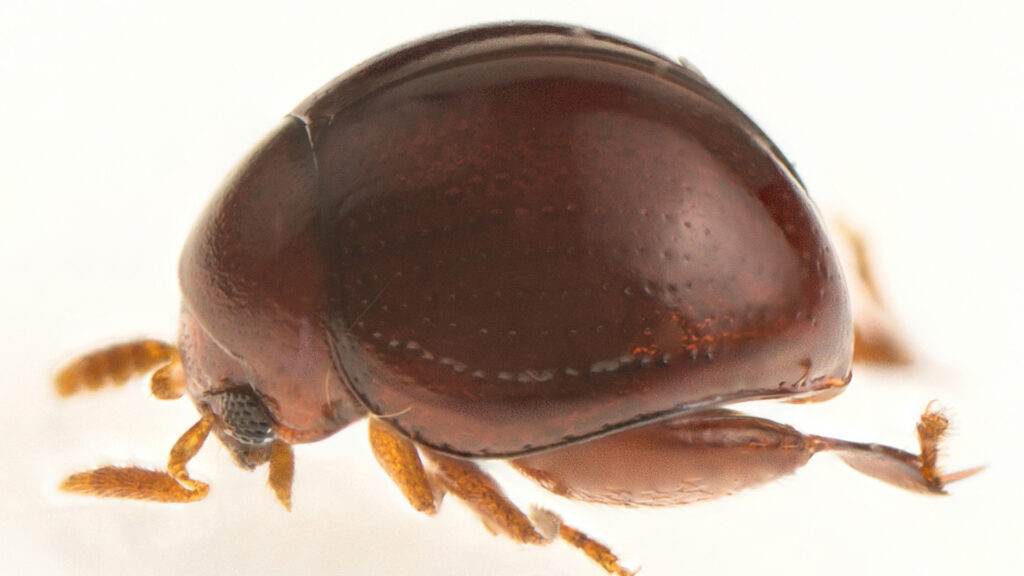
What makes the find even more remarkable is that it was not made by a team of professional entomologists alone. Instead, a group of citizen scientists helped uncover the tiny beetle while taking part in biodiversity research. Their discovery highlights how ordinary people can make meaningful contributions to science when working alongside experienced researchers.
Finding an insect this small requires patience and specialized techniques. Rather than searching on tree trunks or flowers, researchers focused on the forest floor using a method called a leaf litter sieve. They collected piles of fallen leaves and gently shook them through a fine mesh, allowing soil and tiny insects to separate from the larger debris.
Among the countless fragments of leaves and dirt, they eventually spotted the tiny beetle that had escaped scientific attention until now.
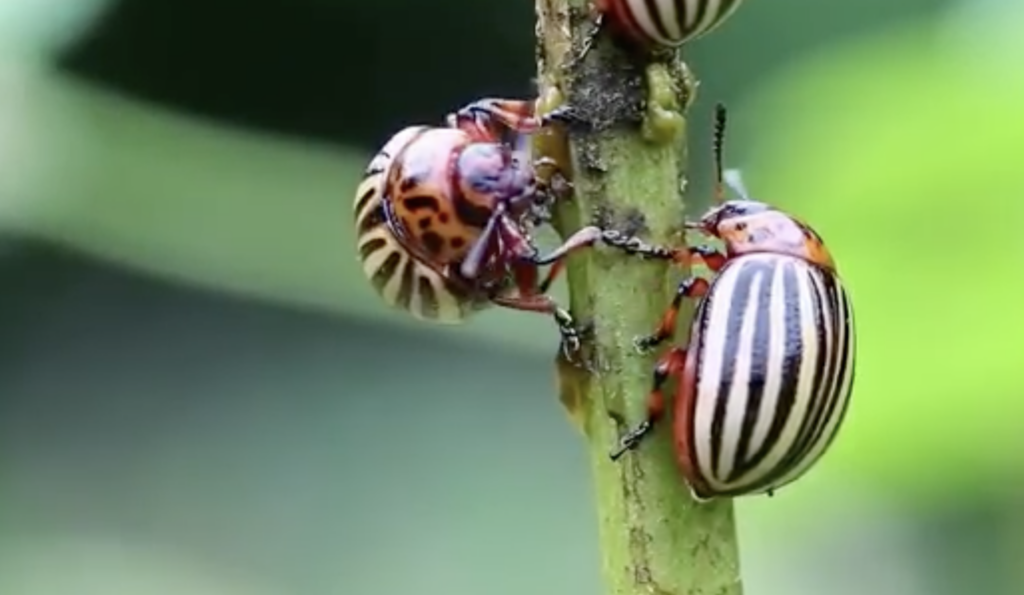
Although creatures this small often go unnoticed, they play a vital role in keeping ecosystems healthy. Tiny beetles help break down dead plant material, recycle nutrients back into the soil, and contribute to the decomposition of leaves. Many also help aerate the soil as they move through it, while some species assist with pollination. Without these miniature workers, forests would function very differently.
The newly discovered beetle will now be studied in greater detail by researchers hoping to learn more about its biology, behavior, and evolutionary history. Every new species provides valuable clues about how ecosystems have developed over millions of years and may even reveal adaptations that scientists have never seen before.
The discovery also serves as a reminder that unexplored biodiversity is not limited to distant rainforests. The research team plans to continue searching for new species in other locations, including urban environments and museum collections, demonstrating that remarkable discoveries can happen almost anywhere.
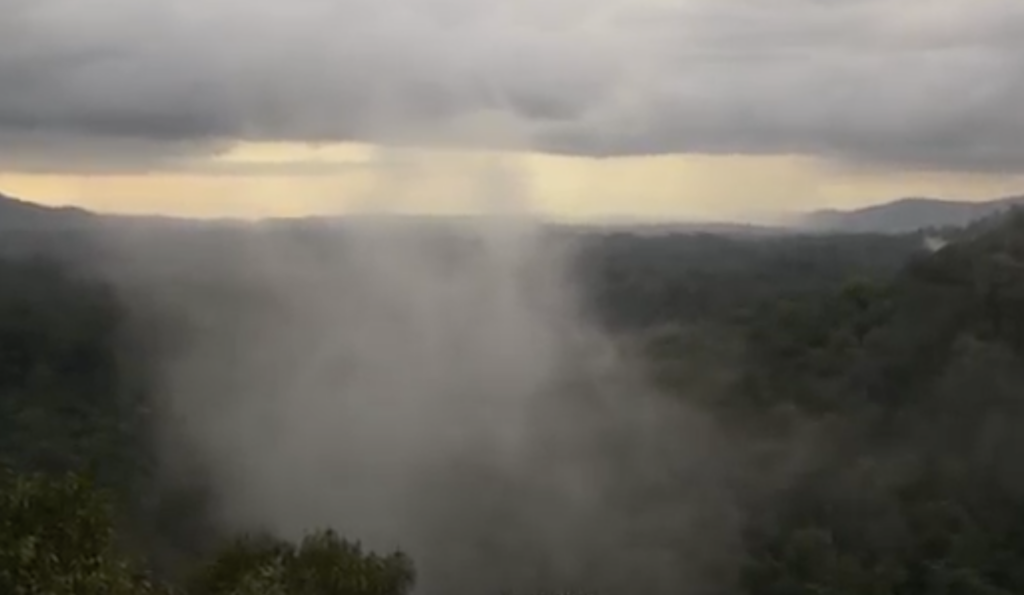
While tropical forests like those in Borneo remain some of the richest habitats on Earth, scientists believe countless species still await discovery across the globe. Some may be hiding beneath fallen leaves, inside decaying wood, or even in places close to where people live.
The world’s tiniest beetle is proof that some of nature’s greatest discoveries are not the largest or the loudest. Sometimes, they are so small that they fit on the head of a pin, waiting patiently for someone curious enough to notice them.