Drowning is often imagined as a dramatic struggle, with someone waving their arms and calling for help. But the reality is much different. Many drowning victims disappear silently beneath the surface, unable to call out or attract attention. In many cases, the danger begins when panic takes over and a person wastes the energy they need to survive.
Every year, around 236,000 people lose their lives to drowning worldwide, according to the World Health Organization. It is one of the leading causes of unintentional injury deaths and remains one of the biggest threats to children and young people. But many drowning incidents can be prevented if people understand what actually causes them and know the right steps to take in an emergency.
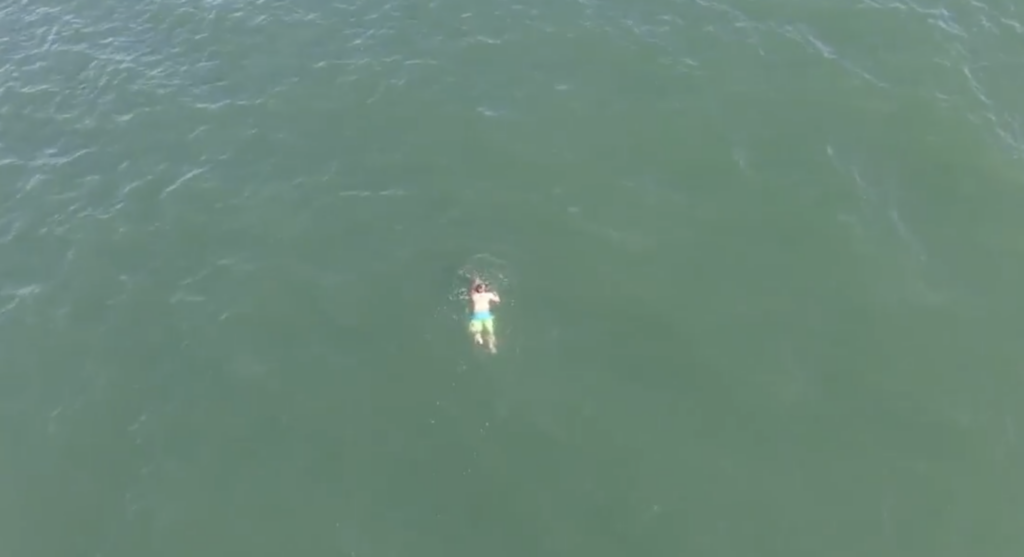
One of the biggest reasons people drown is panic. When a swimmer suddenly finds themselves in deep water, strong currents, or rough waves, their first reaction is often to fight as hard as possible. They may splash, kick, and attempt to force their way back to safety. However, this quickly drains energy and makes it harder to keep their head above water.
The first step to surviving is controlling your breathing. Panic causes rapid breathing, which increases exhaustion. Instead, try to stay calm and keep your lungs filled with air because they act like natural flotation devices. Remove anything heavy, such as shoes or bags, that could pull you down.
If you cannot immediately reach safety, focus on conserving energy. A survival technique is to float with the back of your head above water and your face pointing downward. Every few seconds, push your hands down to lift your mouth above the surface, take a breath, and return to the floating position.
Having a flotation device can also make the difference between life and death. Learning to swim is one of the best ways to prevent drowning, but even experienced swimmers can struggle in unexpected conditions. Life jackets and other personal flotation devices provide essential support, especially in cold water, strong currents, or rough seas.
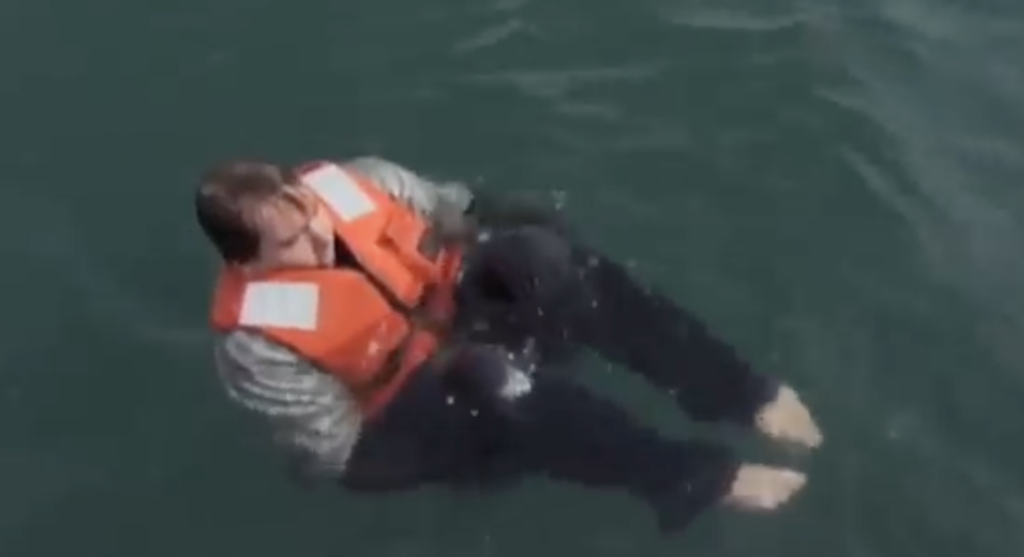
If you are in danger, make yourself visible. Shout for help, wave your arms, and attract attention from people nearby. However, do not waste all your energy screaming. You need to preserve enough strength to stay afloat until help arrives.
Cold water creates another hidden danger: hypothermia. Even if someone survives the initial struggle, their body can lose heat quickly in water. As the body temperature drops, physical strength and mental abilities decrease. In severe cases, hypothermia can cause unconsciousness and death.
If you become cold while waiting for rescue, use the H.E.L.P. position, which stands for Heat Escape Lessening Position. Pull your knees toward your chest and wrap your arms around them to reduce heat loss and protect your core temperature.
If land or a nearby boat is visible, only swim toward it if you are confident you can reach it safely. Fighting against powerful currents or waves can make the situation worse. Sometimes staying in one place and waiting for rescue is the safest choice.
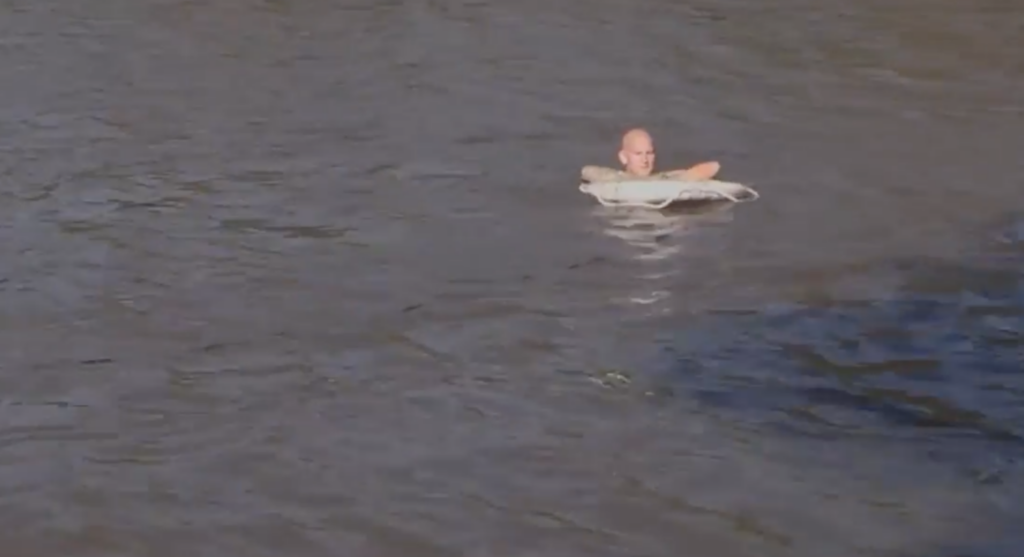
Helping someone else who is drowning also requires caution. Many people have died while trying to rescue others without proper training. Instead of jumping into dangerous water, call for help and use a flotation device, rope, or long object to reach the person from a safe position.
Once someone is pulled from the water, keeping them warm is critical. Use blankets or clothing to help restore body temperature. If they are not breathing, emergency CPR may be necessary, and learning basic first aid can prepare people to respond during life threatening situations.
The real danger of drowning is not only the water itself. It is panic, exhaustion, cold, and poor decisions made in seconds. Understanding how the body reacts in an emergency and knowing how to stay calm can turn a terrifying situation into one you can survive.