For thousands of years, a forgotten village lay hidden beneath layers of sand on a remote island in Scotland. Its stone walls, ancient furniture, and mysterious rooms remained untouched for generations, waiting for someone to uncover the secrets of the people who once called it home.
Then, in the winter of 1850, nature revealed what time had hidden.
A powerful storm struck the Orkney Islands, a group of islands located off the northern coast of mainland Scotland. The storms in this region were already known for their strength, but this one was different. Powerful winds and enormous waves tore away layers of grass and sand from a large coastal mound known as Skerrabra.
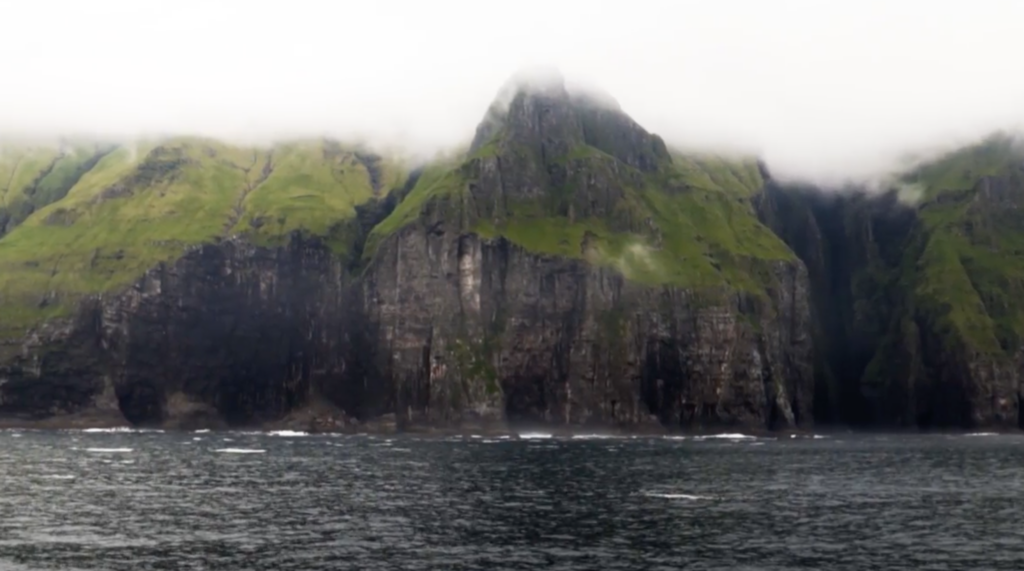
Beneath the surface, something unexpected appeared.
The storm exposed the outlines of ancient stone structures that had been buried for thousands of years. What looked like simple ruins turned out to be one of the best preserved prehistoric villages ever discovered in Europe.
A local landowner named William Watt of Skaill became fascinated by the discovery. Although he was not a trained archaeologist, he began excavating the site. Over the next several years, he uncovered the remains of four ancient stone houses, revealing a glimpse into a world that existed long before modern civilization.
The discovery was only the beginning.
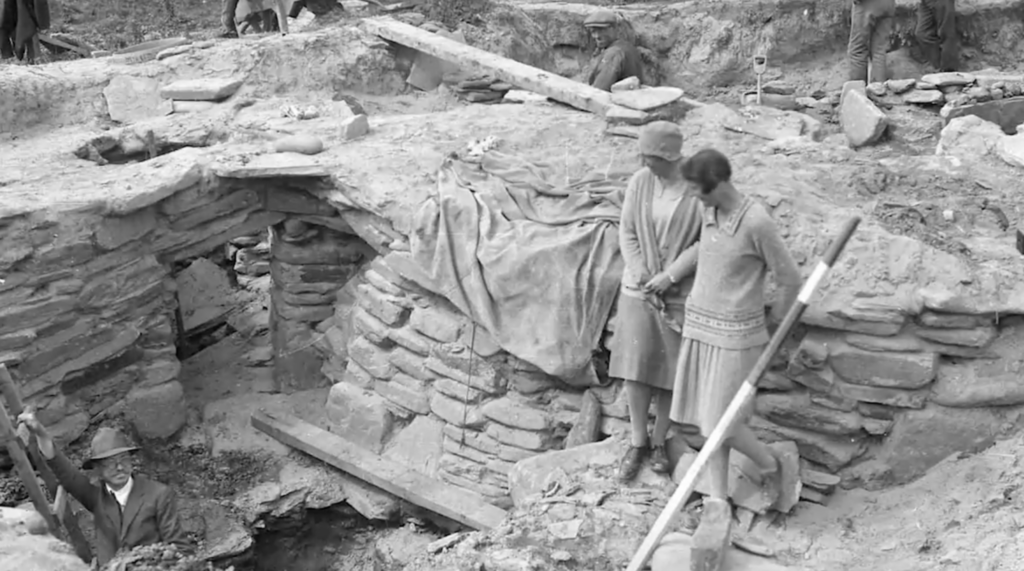
In 1925, another storm threatened the exposed ruins, leading researchers to build a protective seawall around the area. During the construction work, even more hidden structures were discovered. Between 1928 and 1930, archaeologists carefully removed the layers of sand and debris that had protected the village for over 4,000 years.
What they found amazed the world.
The ancient settlement, known as Skara Brae, was unlike almost anything else from the Neolithic period. The stone buildings were remarkably intact, almost as if their inhabitants had walked away only recently.
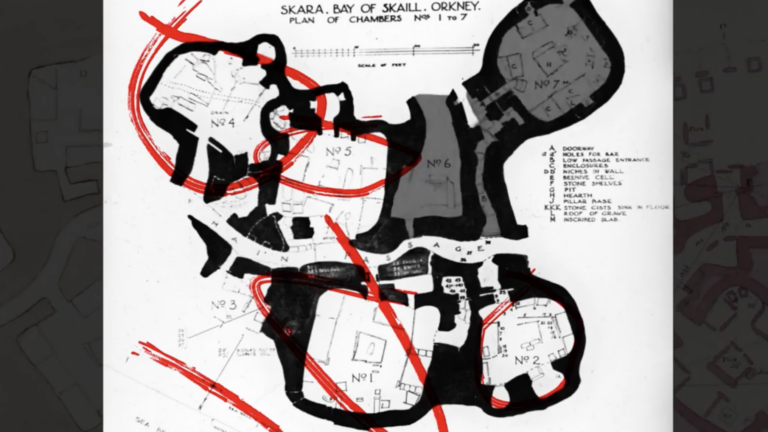
Each home was roughly the size of a small modern apartment. Inside were stone beds, shelves, storage spaces, and even furniture carved from stone. The houses were connected by covered passageways, allowing residents to move between buildings while staying protected from the harsh winds and freezing temperatures of the Scottish coast.
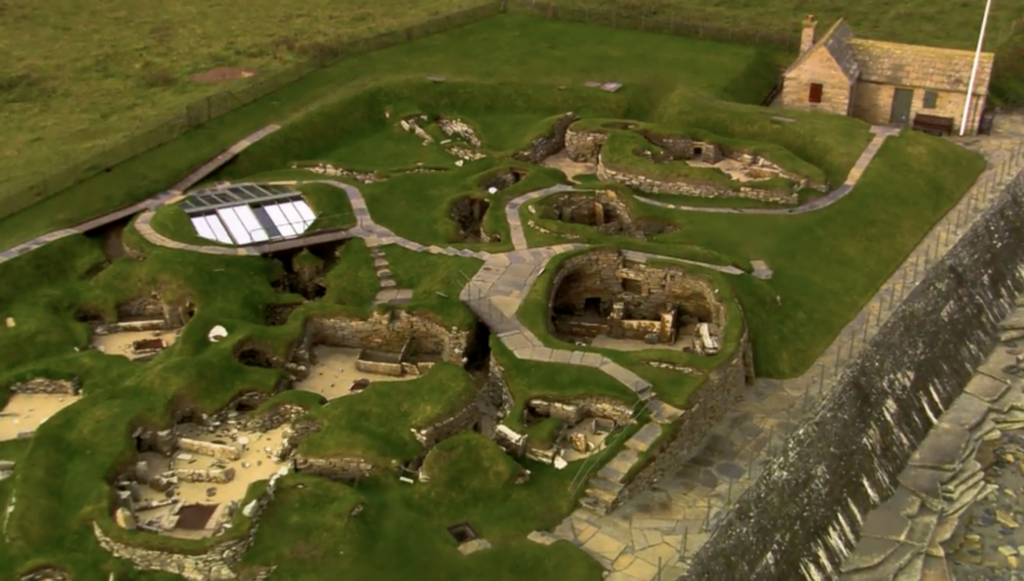
The people who built Skara Brae lived there around 5,000 years ago during the Neolithic period, thousands of years before the construction of the Egyptian pyramids and Stonehenge.
At that time, the landscape around the village was much different. The island was covered with fertile grasslands that supported farming and livestock. The residents grew crops, raised animals, fished in nearby waters, and hunted for food. They created tools from stone and built a community that appears to have been peaceful and organized.
But after around 600 years, something changed.
Around 2500 BCE, the people of Skara Brae abandoned the village. Exactly why they left remains a mystery. Some researchers believe a powerful sandstorm may have forced them to leave suddenly. Others think the population slowly moved away as larger settlements developed elsewhere.
Whatever the reason, the village was eventually covered by sand and forgotten.
Ironically, the same environment that buried Skara Brae also protected it. The layers of sand acted like a natural shield, preserving the stone walls and household objects from decay.
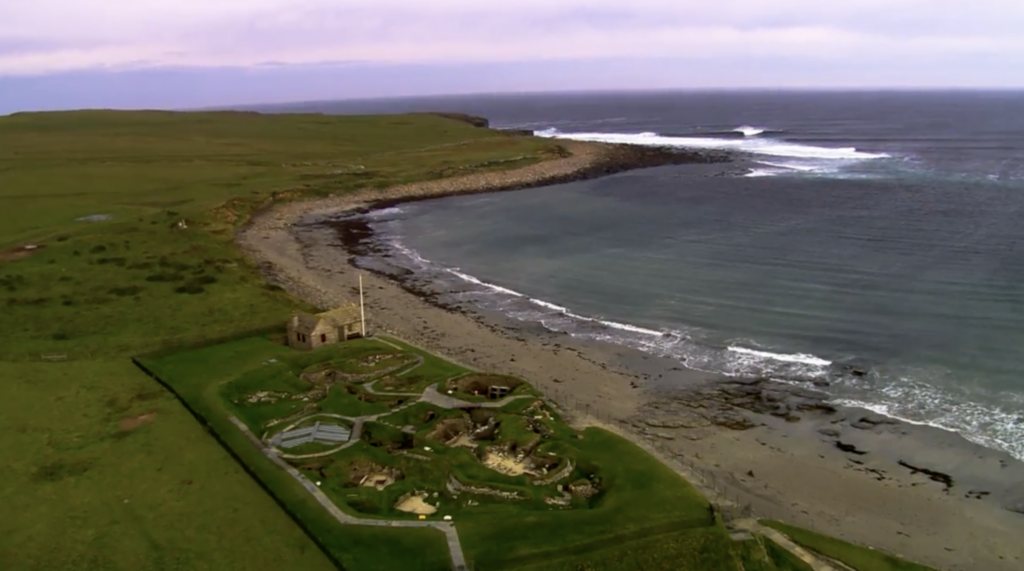
Without this accidental protection, one of Europe’s most important prehistoric sites may have disappeared forever.
Today, visitors can walk among the remains of Skara Brae and see a place that offers a rare connection to everyday life thousands of years ago. The village shows that ancient people were far more advanced than many imagine, creating comfortable homes and organized communities long before written history began.
However, the future of Skara Brae is uncertain. Rising sea levels, coastal erosion, and increasingly extreme weather threaten this fragile piece of human history. The same powerful forces of nature that revealed the village could one day put it at risk.
For now, Skara Brae remains one of the most incredible archaeological discoveries on Earth, a 5,000 year old village frozen in time, preserving the story of people who lived, worked, and built a home on the edge of the ancient world.