Most caves are dark, quiet places filled with rock formations and underground tunnels. But hidden beneath the jungles of Vietnam is a cave so enormous that it contains its own river, beaches, weather system, and even a thriving jungle. When explorers finally made their way inside, they realized they had discovered something unlike anything ever seen before.
The story began in 1990 when a local Vietnamese farmer named Ho Khanh was searching the forest for food and timber. During his journey, he came across a massive cave entrance. Powerful winds rushed out from the opening, and the sound of a roaring underground river echoed from deep inside. With no equipment and no way to explore safely, he left the mysterious cave behind.
Years later, Ho Khanh shared his story with a team of British cave explorers. Fascinated by his description, they searched the dense jungle for the hidden entrance. Expedition after expedition ended in disappointment, and eventually many believed the cave had been lost forever.
Nearly twenty years later, Ho Khanh accidentally found the entrance again while traveling through the same remote forest. This time he carefully marked its location and guided the explorers back to the cave.
What they found inside changed everything scientists thought they knew about caves.
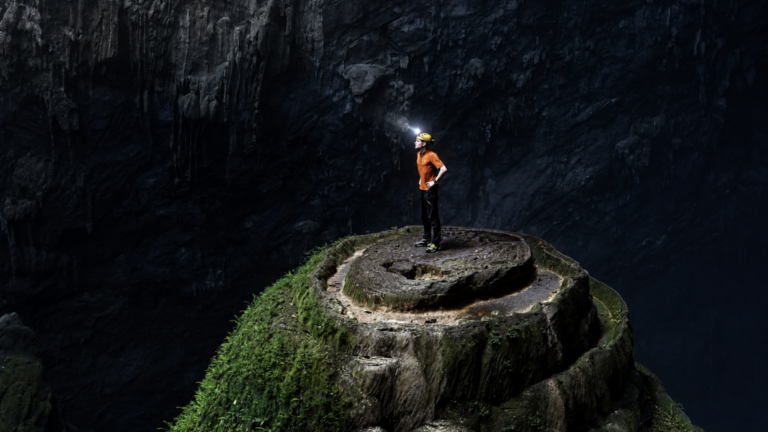
The enormous cavern stretched for more than 5.6 miles (9 kilometers), making it the largest known cave in the world. Some of its chambers reached nearly 660 feet (200 meters) high and about 490 feet (150 meters) wide, large enough to fit an entire city block or even a skyscraper.
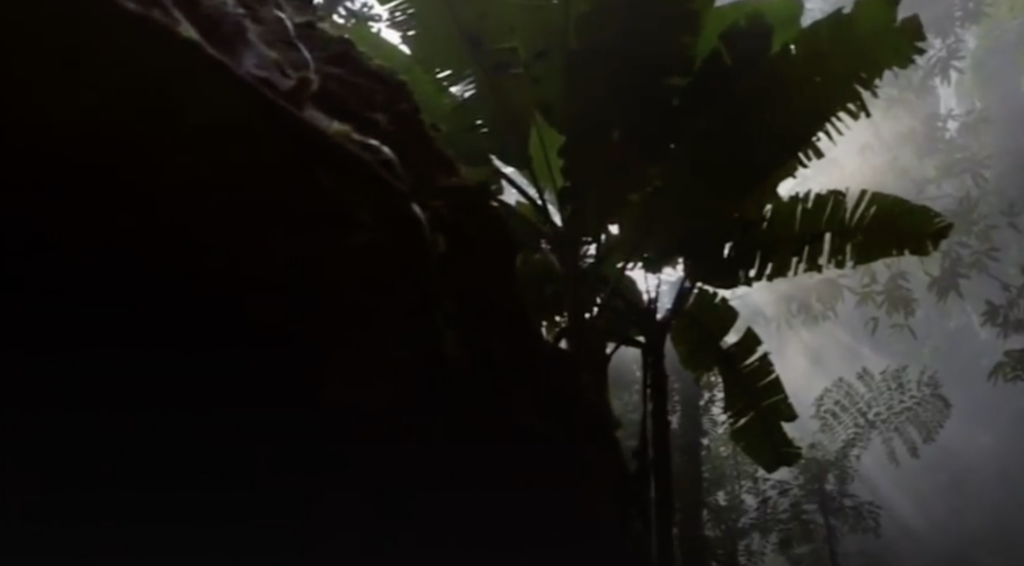
The cave was unlike anything the explorers had imagined. Giant stalagmites rose from the ground like towering stone buildings, some of the tallest ever recorded. Underground rivers carved their way through the massive chambers, creating sandy beaches deep below the Earth’s surface.
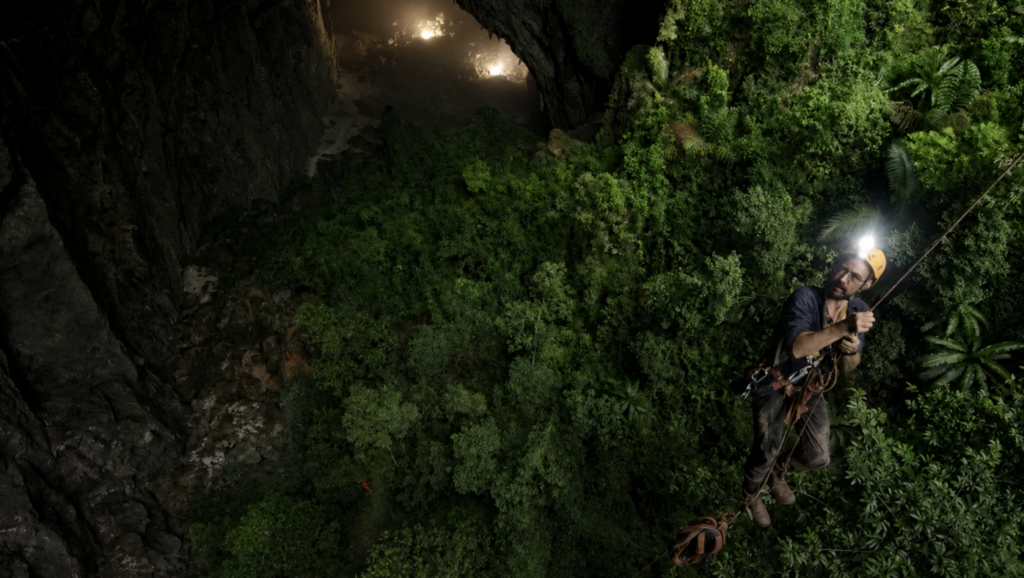
Perhaps the most astonishing discovery was what existed beneath openings in the cave ceiling. Over thousands of years, parts of the roof had collapsed, allowing sunlight to shine inside. This created perfect conditions for lush forests to grow underground. Trees, plants, insects, birds, and even monkeys now live in these isolated jungles, forming an ecosystem completely separated from the outside world.
Scientists also discovered rare rock formations and unusual cave pearls that had formed over millions of years. Every new chamber revealed another surprise, showing just how little people still know about the hidden world beneath their feet.
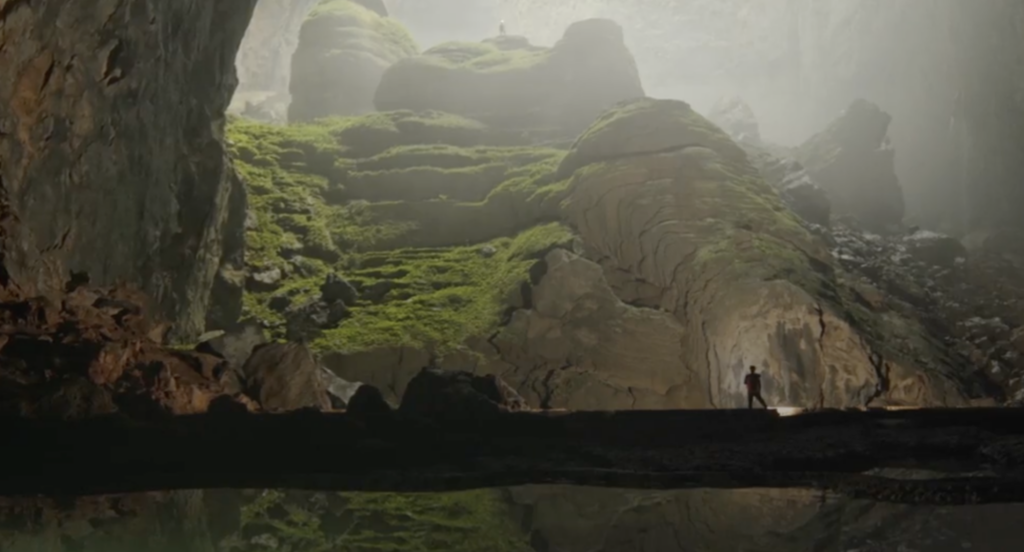
The cave was named Hang Son Doong, which means “Mountain River Cave.” It is part of an enormous network of around 150 caves hidden beneath Vietnam’s Annamite Mountains. Many of these caves have never been fully explored, meaning even more remarkable discoveries could still be waiting underground.
Today, Hang Son Doong is considered one of the greatest natural wonders on Earth. Only a small number of visitors are allowed to enter each year, making the journey one of the most exclusive adventures in the world. Reaching the cave requires days of hiking through dense jungle, crossing rivers, and climbing over rocky terrain.
The discovery of Hang Son Doong is a reminder that even in the 21st century, there are still places on Earth capable of astonishing scientists. What began as one farmer’s chance encounter with a hidden cave became one of the greatest exploration stories of modern times, revealing that some of the planet’s biggest secrets have been waiting underground all along.