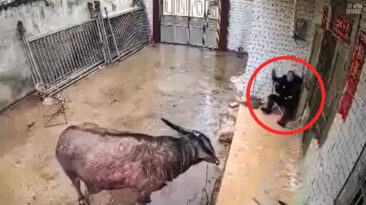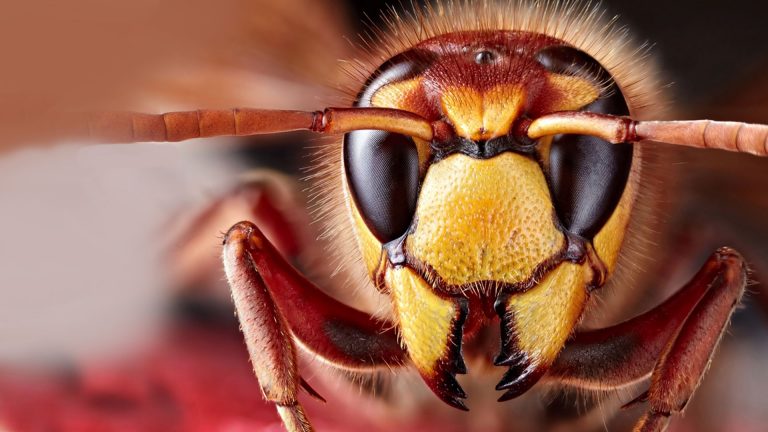
You hear a strange buzzing sound coming from somewhere nearby. At first, it seems distant and harmless. But then the noise grows louder. Much louder.
You look around, wondering if you should stay still or run. Before you can decide, the sound is right above you.
These flying predators are known for attacking honeybees with terrifying efficiency. They grab bees from the air, tear off their heads, and carry the remains back to their colonies to feed their young. A small group of them can destroy thousands of honeybees within hours.
This is the Asian giant hornet, better known as the murder hornet.
But could these enormous insects actually kill you? What should you do if one appears nearby? And how can you survive an encounter with one of the most feared hornets on Earth?
Step 1: Stay away
Murder hornets are not naturally interested in attacking humans. Their terrifying reputation comes mainly from their behavior toward other insects, especially honeybees. As one of the largest hornet species in the world, they sit at the top of the insect food chain and are extremely effective hunters.
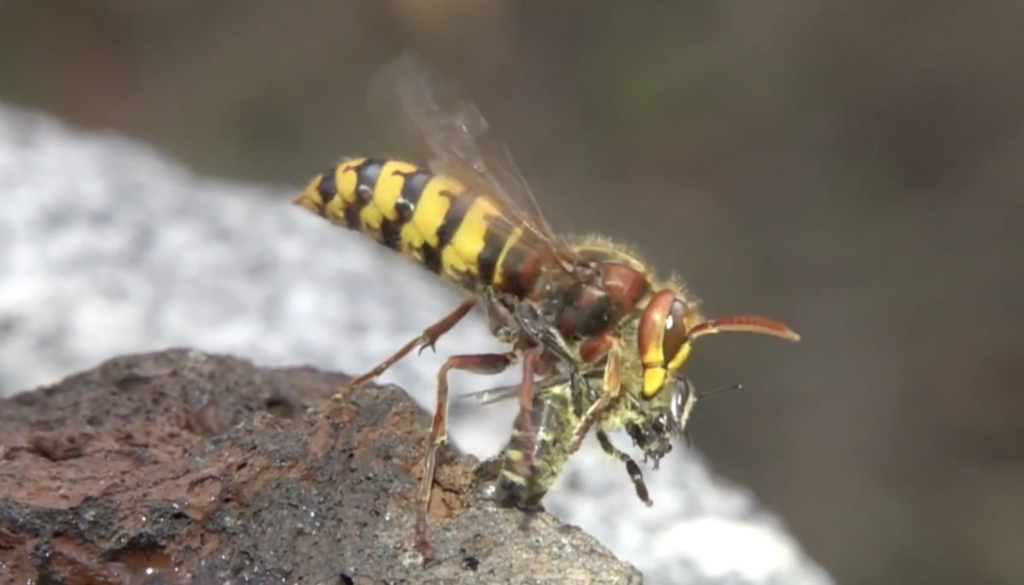
However, humans are not completely safe. These hornets can become aggressive when they feel threatened, especially near their nests. They are often found in wooded, low altitude areas where they build colonies underground or in hidden locations.
Murder hornets are especially attracted to areas where honeybees live. If you accidentally enter a hunting zone while they are searching for their next victims, you need to know what to do next.
Step 2: Run
If a murder hornet starts approaching you, leave the area immediately. Run away, cover your face, and find shelter as quickly as possible.
Jumping into water may seem like a good escape, but it is not a perfect solution. These hornets can remain nearby and wait for you to come back to the surface.
Fortunately, murder hornets usually provide warning signs before attacking. If you notice one flying aggressively around you, moving back and forth, or snapping its powerful jaws, it could mean you are too close and need to leave.
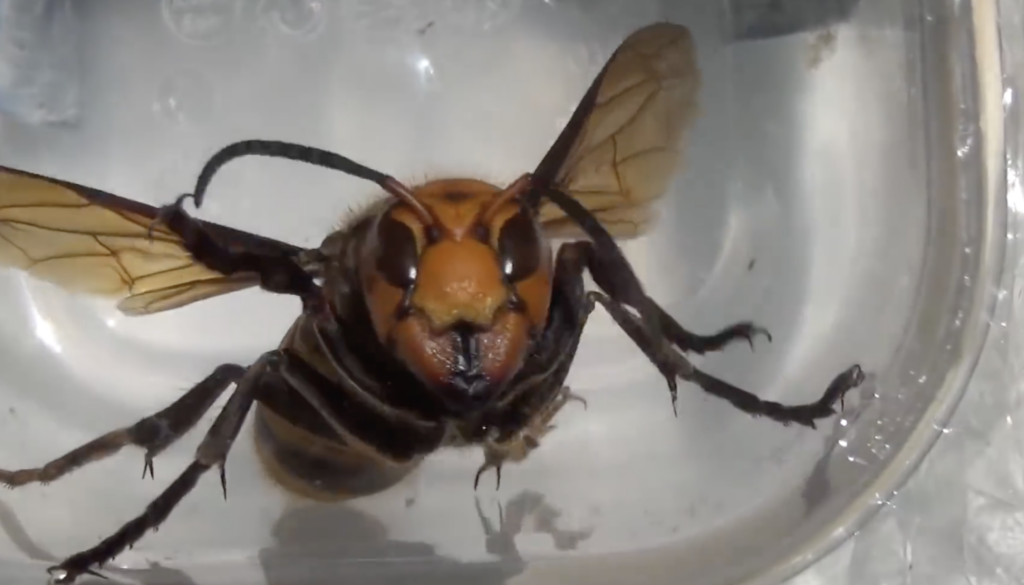
Ignoring these warning signs could put you in serious danger. These insects are massive compared to ordinary wasps. The queens can grow up to 5 cm (2 in) long, with wingspans reaching more than 7 cm (2.8 in).
A bug this large might seem like something you could simply swat away. But that would be a terrible idea.
Trying to hit a murder hornet may only make it more defensive and could attract more hornets from the colony. They are incredibly fast flyers, reaching speeds of up to 32 km (20 mph). If several of them begin chasing you, escaping becomes much harder.
And the last thing you want is to experience their powerful sting.
Step 3: Treat the sting immediately
A murder hornet sting is often compared to being stabbed by a hot piece of metal because of its long stinger and powerful venom. Unlike honeybees, these hornets can sting repeatedly without losing their stinger.
A giant hornet can inject around 1,100 mcg (0.0002 tsp) of venom in a single sting. This venom contains compounds that damage cells, break down tissue, and trigger intense inflammation.
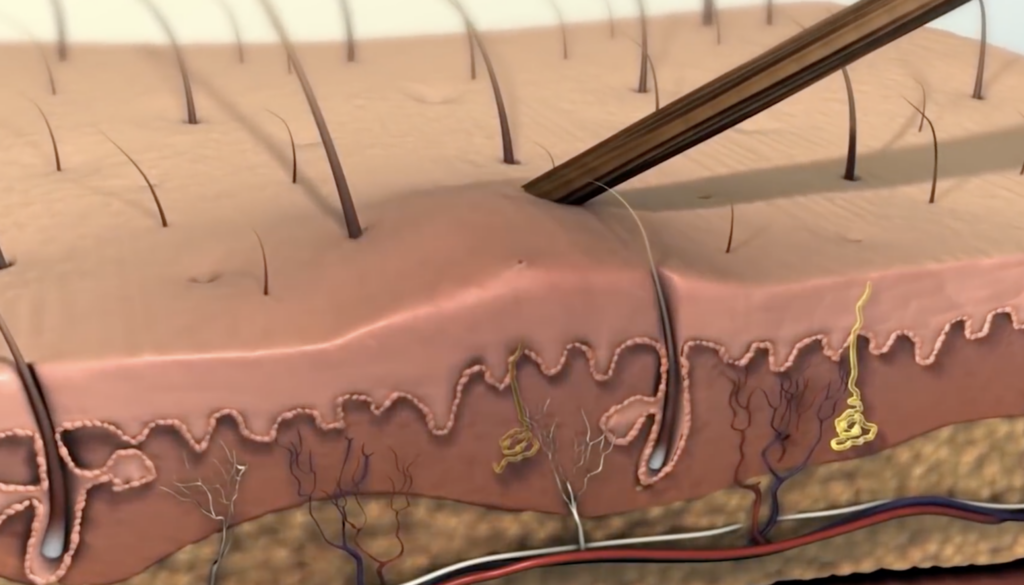
The combination of these toxins can damage blood cells and muscles. In severe cases, the body can struggle to remove the damage, potentially affecting important organs like the kidneys.
For most people, a single sting is extremely painful but not usually deadly. However, someone who is allergic could experience a life threatening reaction. And if you cannot escape, multiple hornets may continue attacking until they no longer see you as a threat.
Once you are safely away, treat the sting seriously. Do not scratch or rub the area because this can increase irritation. Apply ice or a cold compress to reduce swelling and slow inflammation.
You should also seek medical attention, especially if you experience trouble breathing, dizziness, severe swelling, or signs of an allergic reaction.
Some people have described the pain lasting for days after a murder hornet sting, with swelling and intense itching continuing long after the initial attack.
Step 4: Wear protective clothing
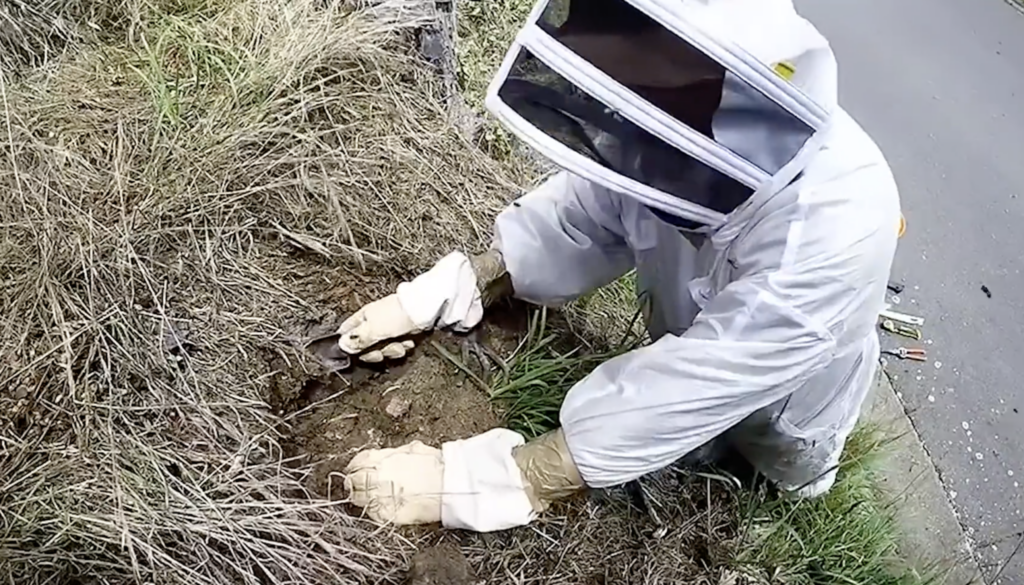
If you know you will be near areas where murder hornets may be present, wearing the right protection can make a huge difference.
Researchers and beekeepers who work with Asian giant hornets use specialized protective equipment, including thick clothing and reinforced beekeeper suits, to prevent the hornet’s long stinger from reaching their skin.
These insects may look like something from a nightmare, but understanding their behavior is the best way to stay safe. Keep your distance, avoid disturbing nests, and never underestimate the power of a murder hornet.