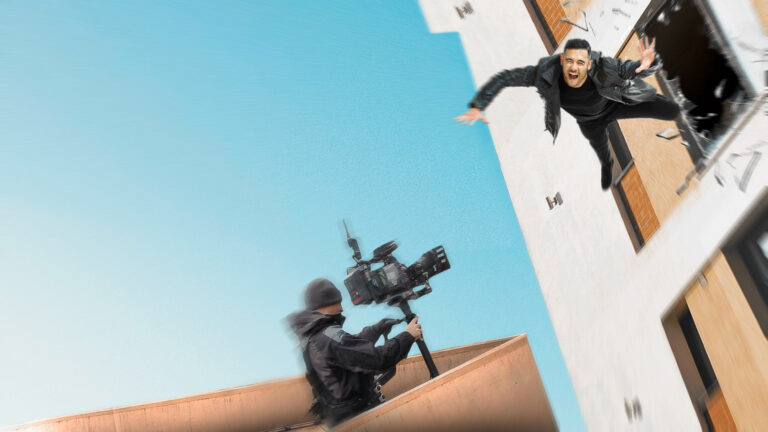
When audiences watch an action movie, they often see actors jumping from buildings, crashing cars, fighting enemies, or walking through explosions. But many of the most dangerous moments on screen are performed by people whose names rarely appear in the spotlight.
They are stunt performers.
A stunt double is a highly trained professional who replaces an actor during dangerous scenes that require extreme physical skills, precise timing, and a willingness to face serious risks.
Although the job may look exciting, it is far from simple entertainment. Behind every impressive action scene is years of training, careful planning, and the possibility that something could go wrong.

In 2002, stunt performer Harry O’Connor died while filming an aerial stunt for the movie “xXx.” The plan was for him to descend along a parasailing line and land safely on a submarine. However, he struck a bridge while moving at high speed, causing a fatal accident.
His death became one of the many reminders that even professionally planned stunts can turn dangerous in seconds.
Being a stunt performer is not about chasing adrenaline. It is about mastering the skills needed to survive extreme situations. Every movement, fall, crash, and explosion must be carefully controlled.
So how do stunt performers survive some of the most dangerous scenes in Hollywood?
Flipping a Car Without Losing Control
Vehicle crashes are some of the most common action movie stunts, but making a car flip safely requires much more than simply driving fast.
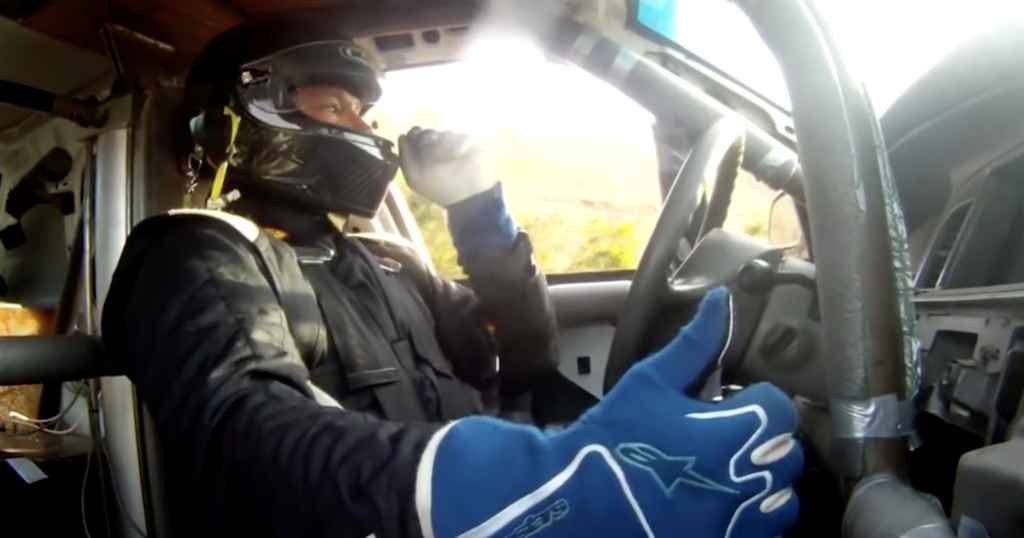
Stunt vehicles are specially prepared with safety equipment such as roll cages, fire extinguishers, and protective systems. Loose objects inside the vehicle must be removed because anything flying around during a crash could become dangerous.
One method used to flip vehicles involves a device called a pipe ramp. The ramp is designed to create the effect of a collision, allowing the car to roll at a controlled angle.
Another technique uses specialized equipment that combines compressed air, hydraulic systems, and mechanical devices to force the vehicle into a flip.
Even with all these safety measures, injuries are still possible. Stunt performers often leave these scenes with bruises, soreness, and physical exhaustion.
Taking a Movie Bullet
In action films, characters are constantly being shot, but stunt performers are not hit with real bullets.
Instead, filmmakers use blank ammunition and special effects to create realistic gunfire. However, blanks are not completely harmless because they can release powerful gases and debris.
To create the appearance of a bullet impact, stunt performers may wear small explosive devices called squibs. These devices are attached to the body under protective materials and covered with fake blood.
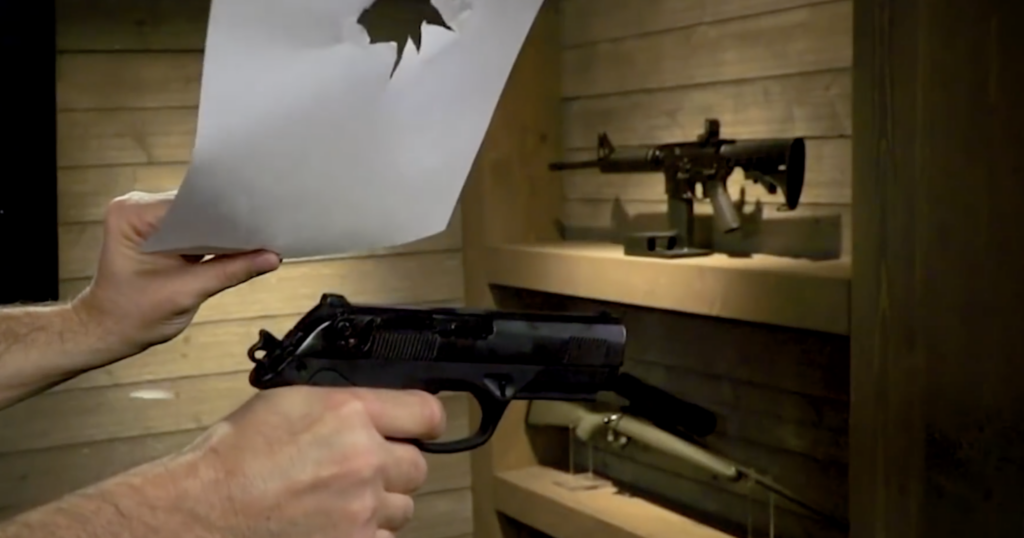
When activated remotely, the charge creates the effect of a gunshot wound, causing clothing to tear and fake blood to spray.
The performer also needs to know how to react realistically. They must hold weapons correctly, move naturally, and learn how to fall safely after being “hit.”
The goal is to make the scene look painful while avoiding real injuries.
Learning How to Fall
Falling is one of the most important skills a stunt performer can master.
A fall from a great height can create enormous force when the body hits the ground. The challenge is finding ways to reduce that impact. Modern productions often use large airbags to protect performers during high falls.
For the movie “Assassin’s Creed,” stunt performer Damien Walters completed a fall from approximately 38 meters onto an airbag. To survive a fall like this, a performer must control their body position, spread out the impact, and land correctly to reduce the risk of serious injuries.
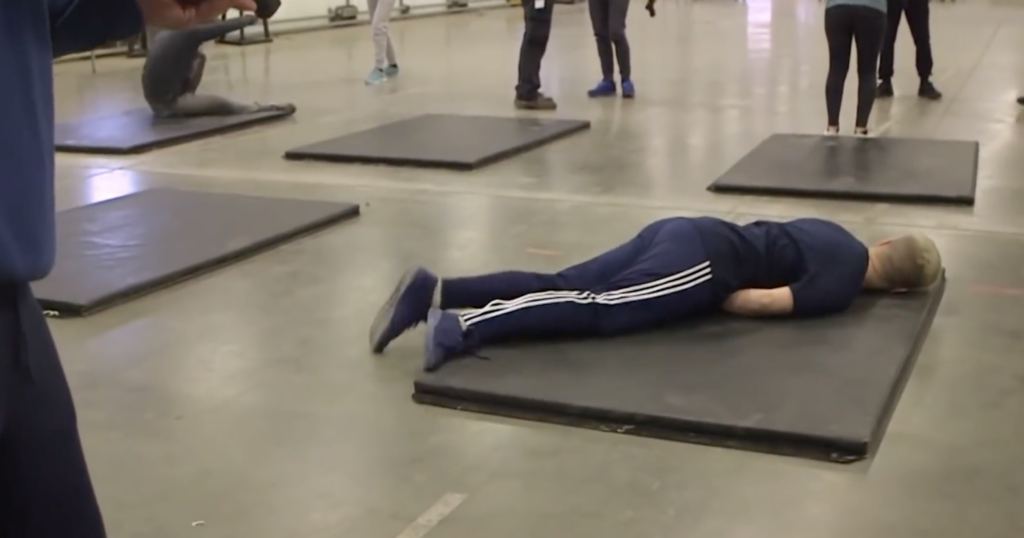
A small mistake in timing or body position could lead to dangerous consequences.
Surviving Fire Stunts
Being set on fire may look dramatic on screen, but it requires extreme preparation.
Before a fire stunt, performers wear multiple layers of protective clothing made from fire resistant materials such as Kevlar or Nomex. They are also covered with special protective gels designed to reduce heat exposure. A team of safety experts, firefighters, and medical professionals remains nearby during the entire scene.
Sometimes additional safety equipment, such as wet protective pads, is prepared in case the performer needs to fall or be extinguished quickly. Even with these precautions, fire stunts are physically painful and require intense focus.
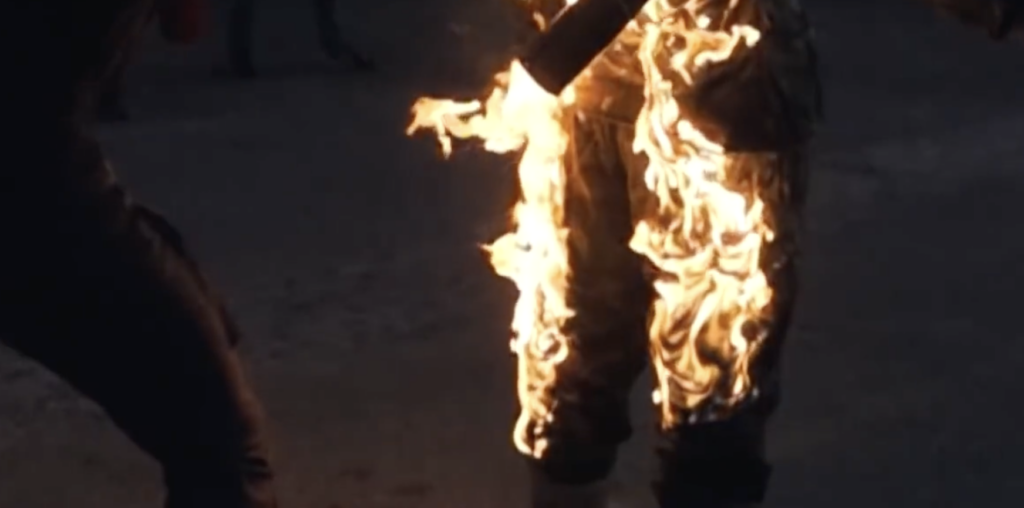
The performer must remain calm while surrounded by flames and trust the safety team to react immediately.
Fighting Like a Professional
Movie fights are carefully choreographed performances rather than real battles. When a stunt performer throws a punch, they usually stop short of making contact. Camera angles, timing, and sound effects create the illusion of a real hit.
Throwing another person also requires teamwork. The person being thrown must control their fall, while the other performer helps guide the movement safely. Props are also designed to reduce injuries. Instead of real glass, productions often use materials like sugar glass or resin. Breakaway furniture is also created to collapse more safely during fight scenes.
After intense stunt work, recovery becomes just as important as preparation. Stretching, proper nutrition, and rest help performers repair their bodies after demanding days on set.
Hollywood stunt doubles make impossible scenes look effortless, but their work requires incredible discipline, skill, and courage. Behind every car crash, explosion, fall, and fight scene is a professional who has spent years learning how to survive.
The next time you watch an action movie, remember that the person performing the most dangerous moments may not be the star on screen, but the stunt performer risking everything to bring the scene to life.