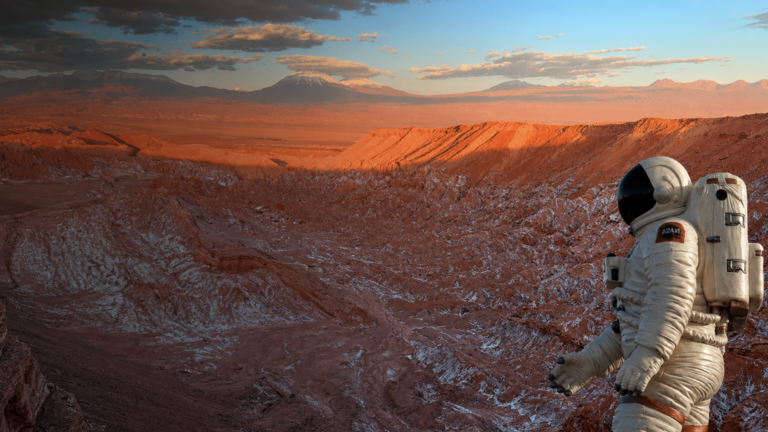
For generations, humans have dreamed of leaving Earth and exploring new worlds. From the first steps on the Moon to modern space missions, we have continued pushing farther into the unknown.
The next major destination could be Mars.
Scientists and space agencies are working toward sending humans to the Red Planet, with some missions potentially happening within the next few decades. But reaching Mars is only the beginning. The real challenge would be staying alive there.
Mars may be our closest planetary neighbor, but it is one of the most hostile places humans could ever visit. It has almost no breathable atmosphere, extreme temperatures, dangerous radiation, and soil that cannot support normal plant life.
So how would humans survive on a planet where almost everything is trying to kill them? The first step would begin long before leaving Earth.
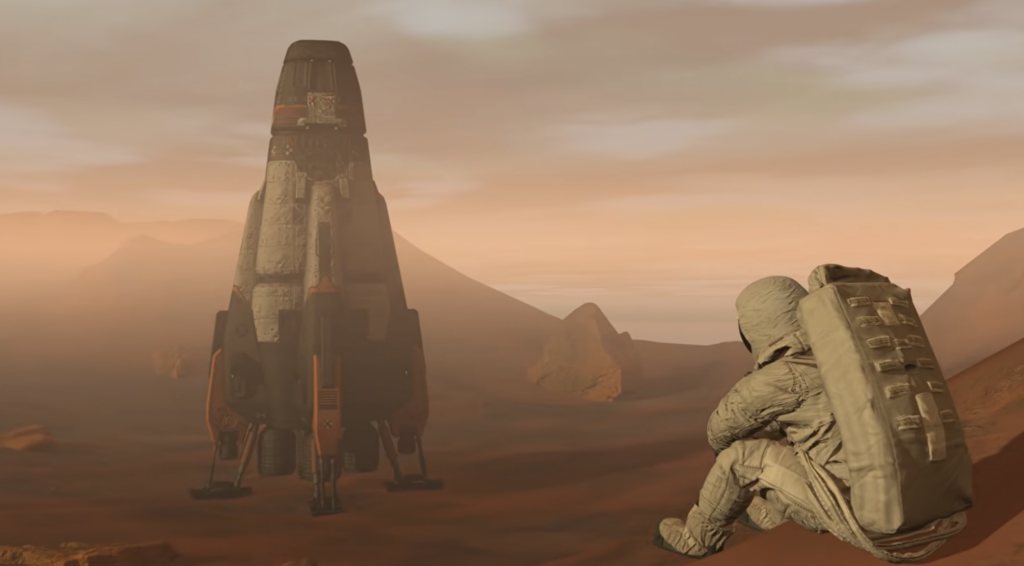
Come Prepared
A mission to Mars would require much more than physical strength. Astronauts would need months or even years of preparation before stepping onto a spacecraft.
The journey itself would be extremely demanding. Astronauts could spend many months traveling through space while living in a small environment with the same crew members every day.
Because of this, mental health would be just as important as physical fitness. Space agencies would need people who can handle stress, solve problems under pressure, cooperate with others, and remain calm during dangerous situations.
A successful Mars mission would depend on teamwork. One person who cannot handle isolation or conflict could put the entire crew at risk.
Bring the Right Equipment
Mars would not welcome humans with a friendly environment.
The planet’s atmosphere is incredibly thin, with pressure so low that an unprotected human body would not survive. Temperatures can drop to around minus 153 degrees Celsius at night, and the surface is covered in fine dust that could damage human lungs.
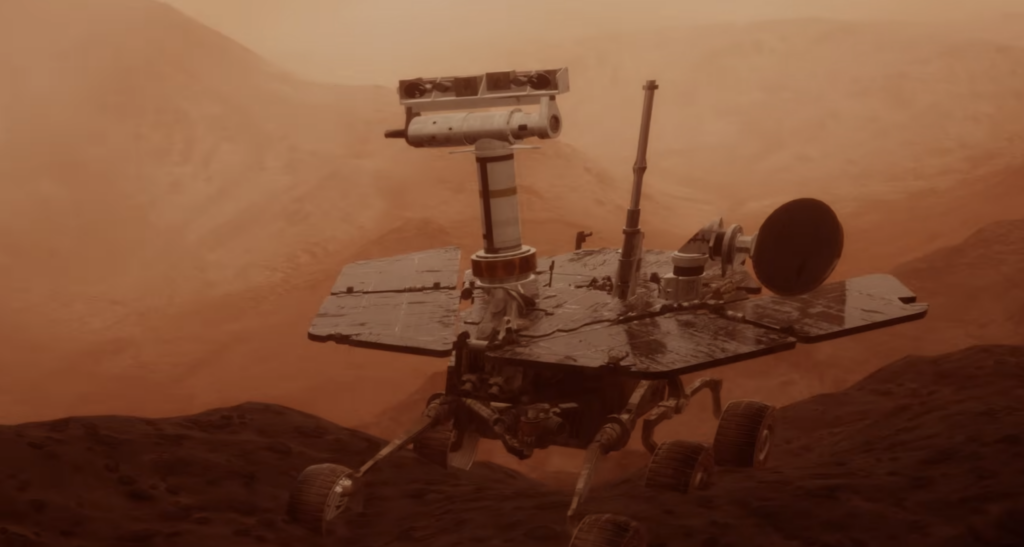
Mars also lacks Earth’s protective magnetic field, leaving astronauts exposed to dangerous cosmic radiation.
A person who landed on Mars with only a spacecraft and a basic suit would not survive for long.
To stay alive, astronauts would need advanced spacesuits that provide oxygen, maintain pressure, regulate temperature, and protect against radiation. They would also need vehicles, communication systems, and temporary living habitats before permanent structures could be built.
Bring Enough Food
Growing food on Mars would be one of the biggest challenges.
The planet’s soil is not like Earth’s fertile ground. Instead, it is mostly fine dust and rocky material that lacks the nutrients plants need.
To grow crops, humans would need to create artificial farming systems. One possible solution would involve recycling organic waste to create a nutrient rich growing environment.
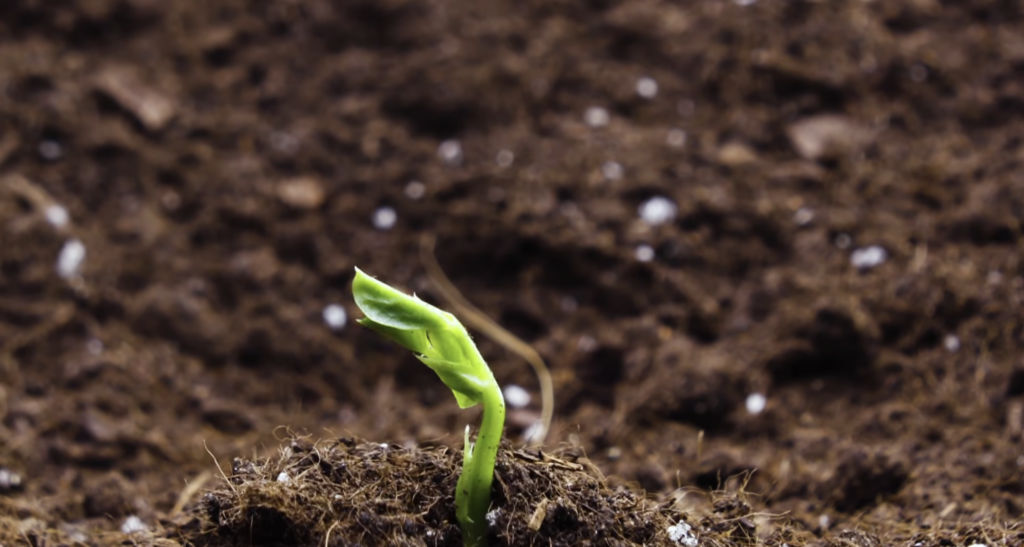
Yes, that means human waste could become part of the farming process.
Over time, astronauts could potentially grow crops such as lettuce, garlic, and potatoes. However, early missions would still need to bring large supplies of food because a new crew could take many months to arrive if something went wrong.
Find a Reliable Water Source
Water would be essential for survival, but Mars is not filled with rivers and lakes like Earth. Most Martian water is frozen, especially around the polar ice caps and underground deposits.
Since carrying a year’s worth of water from Earth would be extremely difficult, future astronauts would need ways to collect and recycle water on Mars.
One possible method would involve heating parts of the Martian surface to release frozen water. Scientists have also studied materials such as aerogel that could help warm areas of Mars enough to melt ice. Another option is recycling water from human waste, similar to the systems already used aboard the International Space Station.
Every drop would need to be carefully collected, filtered, and reused.
Be Useful
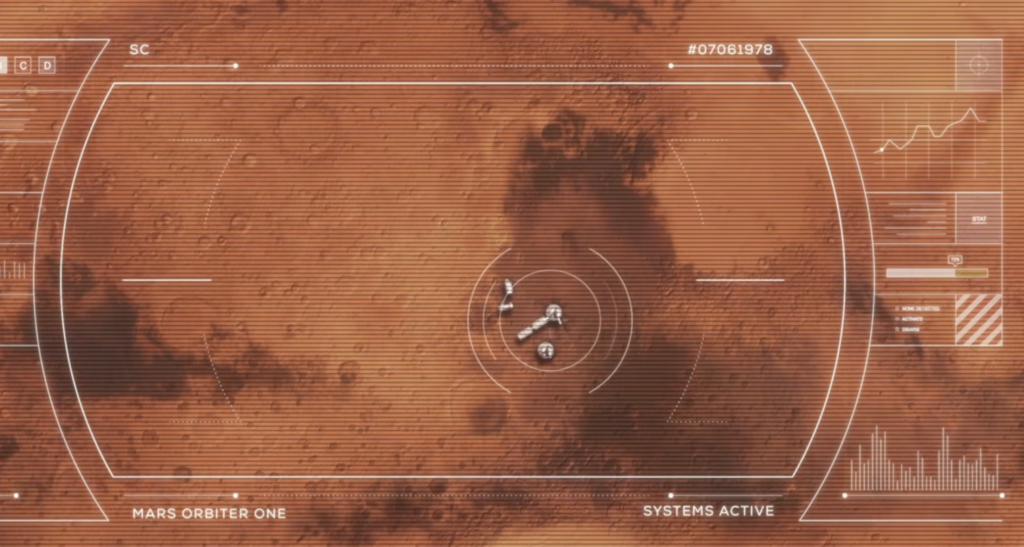
Surviving on Mars would not be a vacation. The people sent there would need valuable skills and extensive training.
A Mars crew would likely consist of scientists, engineers, doctors, and specialists who could repair equipment, maintain life support systems, study the planet, and solve unexpected problems.
Astronauts would spend their days performing maintenance, growing food, monitoring water and oxygen systems, conducting experiments, and exploring the Martian surface.
There would be no quick rescue if something failed. Every crew member would need to contribute.
Mars would be one of the most difficult environments humans have ever attempted to survive in. The planet has no breathable air, no comfortable temperatures, and no natural protection from space.
But with the right technology, preparation, and knowledge, humans could potentially create a new home millions of kilometers away from Earth.
The first people on Mars will not simply be explorers. They will be pioneers attempting something humanity has never done before: surviving on another planet.