Nature has spent millions of years solving problems that humans are only beginning to understand. Some animals have evolved remarkable abilities to heal wounds, resist disease, or survive conditions that would be deadly to us. By studying these unique adaptations, scientists are uncovering new clues that could lead to treatments for some of the world’s most challenging illnesses.
While these discoveries are still being researched, they show that the next major medical breakthrough may come from some of the most unexpected creatures on Earth.
Platypus: A New Weapon Against Type 2 Diabetes
The platypus is already one of the strangest mammals on the planet. Native to Australia, it lays eggs, has a duck-like bill, and the males even possess venomous spurs on their hind legs.
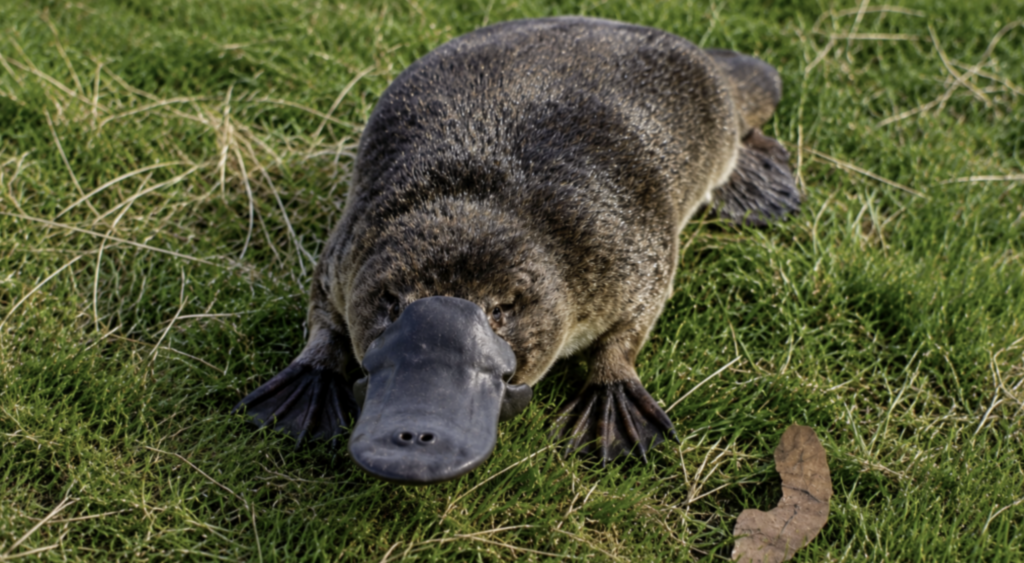
Surprisingly, that venom may help people living with type 2 diabetes. Scientists discovered that it contains a hormone similar to GLP-1, which encourages the body to release insulin and lower blood sugar levels. Humans naturally produce this hormone, but it breaks down within minutes.
The platypus version lasts much longer, making it especially interesting to researchers. By understanding why this hormone remains stable, scientists hope to develop medications that control blood sugar more effectively and require fewer doses.
Deathstalker Scorpion: Lighting Up Cancer
The deathstalker scorpion has one of the most intimidating names in the animal kingdom, yet its venom could become an important tool in cancer treatment.
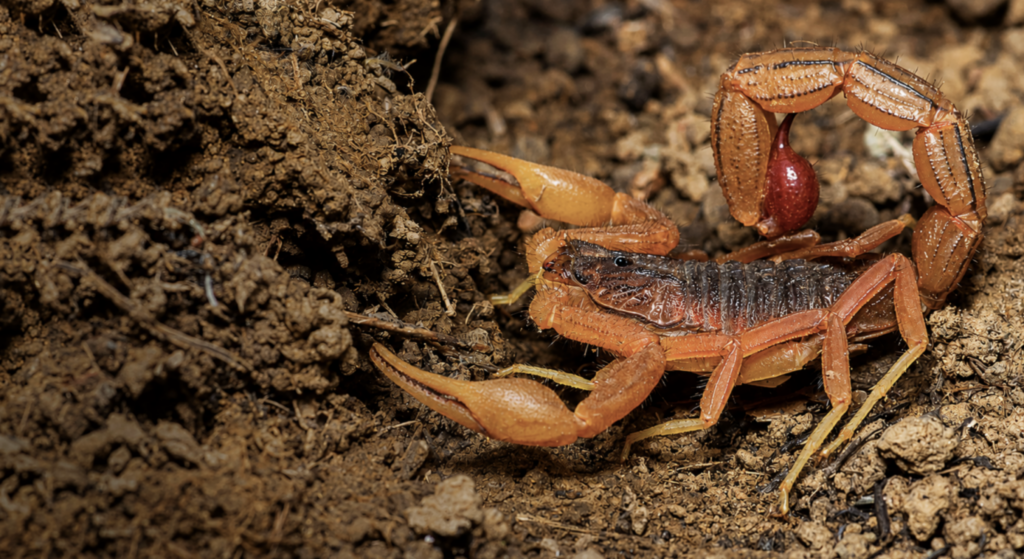
Its venom contains a molecule called chlorotoxin, which has a remarkable ability to attach itself to certain cancer cells while leaving healthy tissue largely untouched. Researchers have used this property to carry fluorescent dyes directly to tumors, making them glow during imaging and surgery.
This allows surgeons to identify cancerous tissue with much greater precision, especially in delicate areas such as the brain. Scientists are also investigating whether chlorotoxin could deliver cancer fighting drugs directly to tumors, reducing damage to healthy cells.
Bears: Unlocking New Treatments for Alzheimer’s Disease
Every winter, hibernating bears spend months with reduced body temperatures and slowed brain activity. During this period, they lose many of the connections between their brain cells. Yet when spring arrives, those connections naturally rebuild themselves.
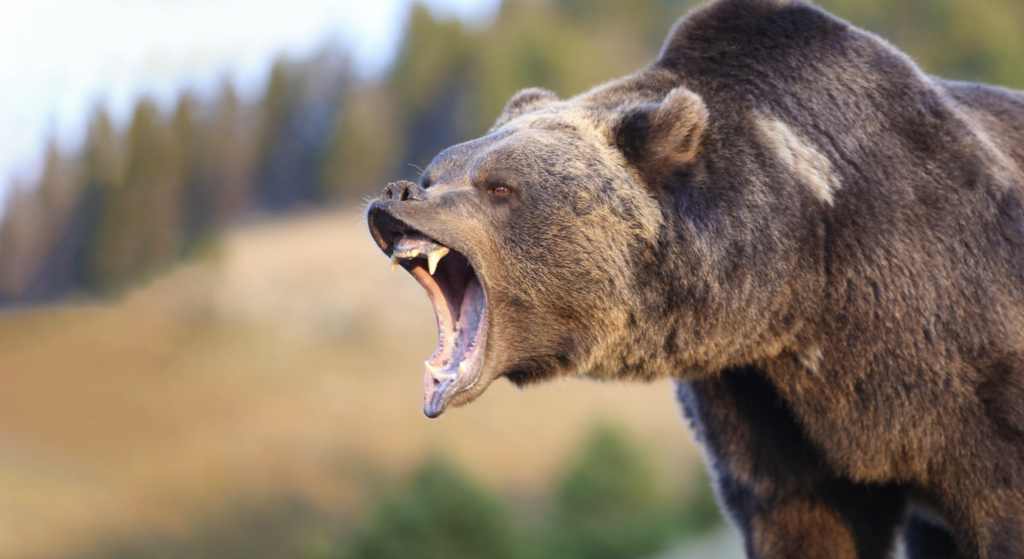
This remarkable recovery has caught the attention of neuroscientists searching for treatments for Alzheimer’s disease and other forms of dementia.
Researchers have identified a protective protein called RBM3 that helps restore damaged neural connections after hibernation. Scientists are now exploring ways to activate this same protective mechanism in humans without the need for dangerous cooling, offering hope for slowing memory loss and preserving brain function.
Australian Funnel Web Spider: Protecting the Brain After Stroke
The Australian funnel web spider is famous for having one of the world’s most potent venoms. Hidden within that venom, however, is a protein that may help protect the brain after a stroke.
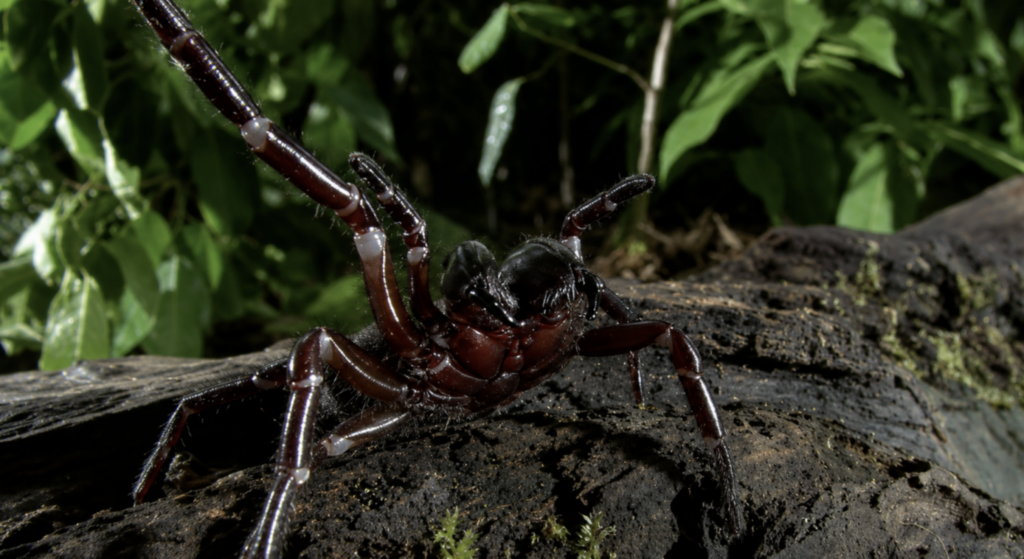
Known as Hi1a, this protein has shown remarkable results in laboratory studies. It significantly reduced brain damage in animals even when given several hours after a stroke occurred.
Because every minute counts during a stroke, a treatment that protects brain tissue while patients are transported to the hospital could dramatically improve recovery. Researchers are continuing to study whether this protein can provide the same benefits in humans.
Naked Mole Rat: The Animal That Rarely Gets Cancer
Few animals are as unusual looking as the naked mole rat, but its appearance hides an extraordinary biological secret. These small underground rodents can live for decades and rarely develop cancer.
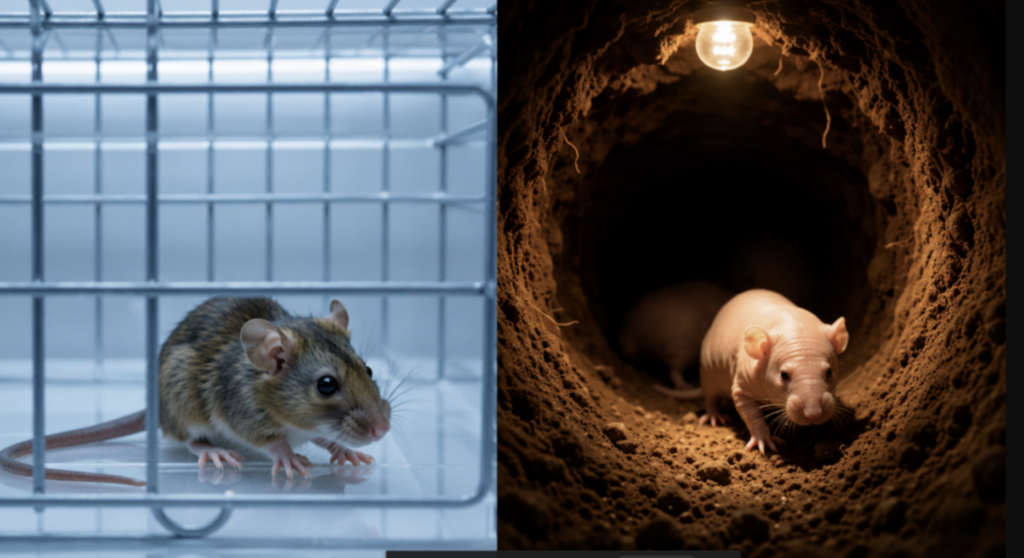
Scientists believe their resistance comes from an unusual form of hyaluronan, a substance also found in human tissues. The naked mole rat’s version is much larger than ours and appears to stop cells from dividing uncontrollably, one of the defining characteristics of cancer.
Because human and naked mole rat hyaluronan are extremely similar, researchers hope that understanding this natural defense could inspire entirely new approaches to preventing or treating cancer.
Nature continues to surprise scientists with solutions hidden in places few people would expect. From venomous mammals and deadly spiders to tiny rodents and hibernating bears, these animals are revealing biological strategies that medicine is only beginning to understand. Although much of this research is still ongoing, every new discovery brings us one step closer to treatments that could transform the fight against diabetes, cancer, Alzheimer’s disease, stroke, and many other serious illnesses. The next life changing medical breakthrough may not come from a laboratory alone. It could already exist in the remarkable creatures that share our planet.