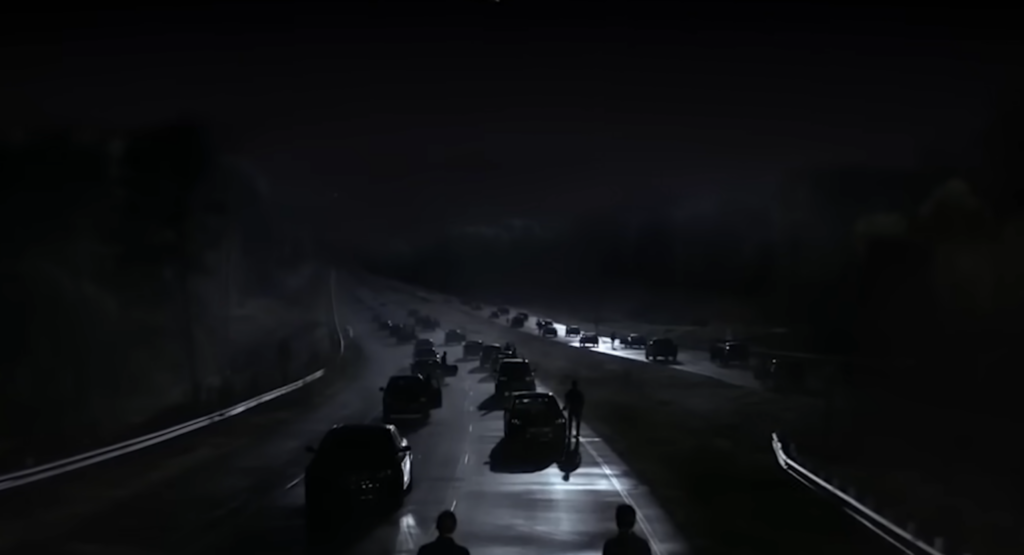
Imagine walking home through a city at night when a sudden flash appears in the sky. Seconds later, your phone shuts off. Traffic lights go dark, cars stop moving, and the entire city falls silent.
At first, people assume it is a normal blackout. But then the panic begins.
Communication systems fail. Emergency services become overwhelmed. Planes lose critical electronics. The United States has been hit by an electromagnetic pulse, or EMP attack.
An EMP is a powerful burst of electromagnetic energy that can damage or destroy electronic systems. Unlike a cyberattack, which targets specific networks, an EMP can affect entire electrical grids at once.
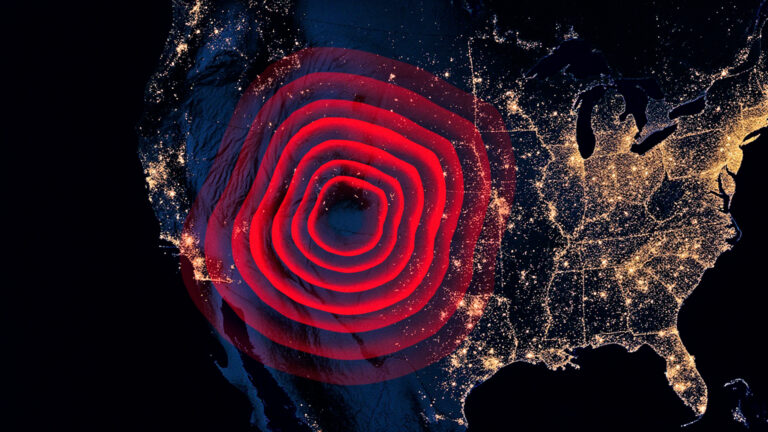
A high altitude nuclear explosion is considered one of the biggest EMP threats. A device detonated hundreds of miles above the United States could potentially send a massive pulse across a large portion of the country, damaging power systems, satellites, communication networks, and essential infrastructure.
Modern America depends heavily on electricity.
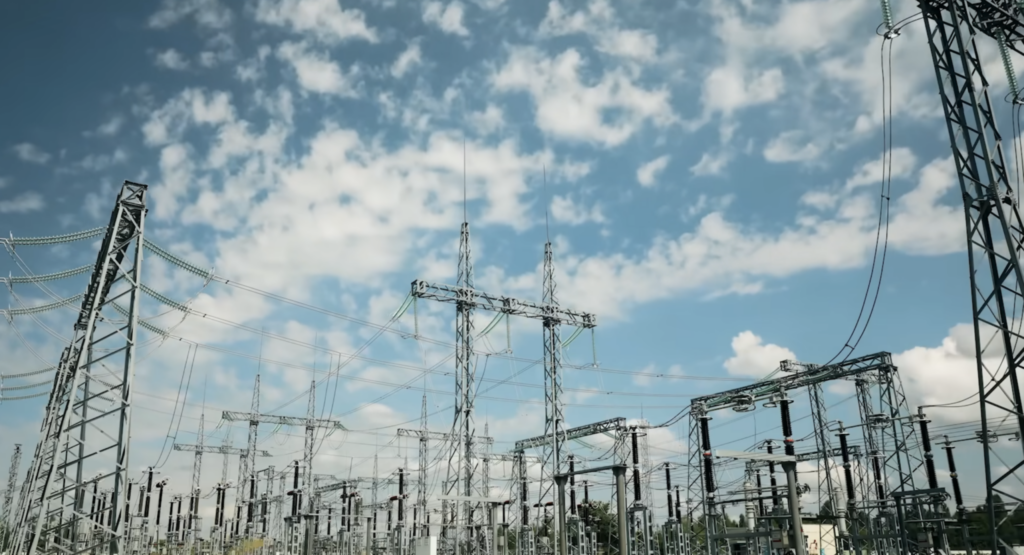
The power grid relies on thousands of transformers that move electricity across the country. Some of the largest transformers are responsible for transferring huge amounts of power, but replacing them is difficult because they are expensive and can take months or even years to manufacture.
If enough of these systems failed, the consequences could be severe.
Phones would stop working. Banks could become inaccessible. Fuel pumps would shut down. Water treatment facilities could lose power. Hospitals would struggle to operate without reliable electricity.
The first days after an EMP attack would likely be filled with confusion.
People would search for information, but television, internet, and mobile networks could be unavailable. Without communication, rumors and fear could spread quickly.
Cars built with modern electronics could become unusable, leaving millions of people stranded. Emergency responders would face thousands of accidents while trying to manage a nationwide crisis.
Food and water would quickly become the biggest concerns.
Supermarkets depend on electricity, transportation networks, and digital payment systems. Without those systems, supplies could disappear rapidly.
People living in cities would face some of the greatest challenges. Crowded areas would struggle with shortages, while rural communities with farmland and local resources could have an advantage.
The loss of electricity would also create serious problems for critical facilities.
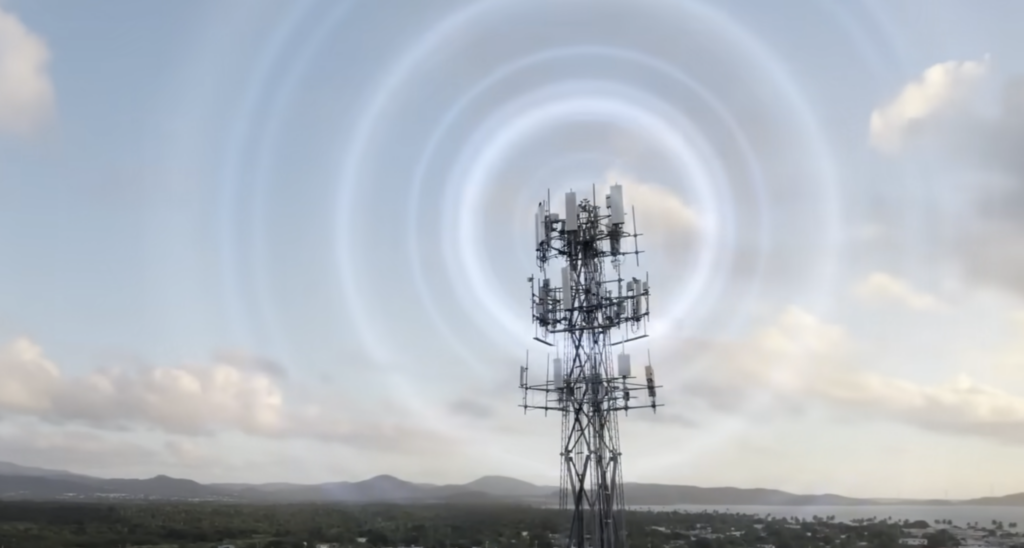
Water systems require power to pump and clean water. Hospitals depend on generators and fuel supplies. Nuclear power plants require electricity to maintain cooling systems and prevent dangerous failures.
Backup systems could provide temporary protection, but a long-term blackout would create enormous challenges.
The U.S. military would likely become one of the most important organizations during such a crisis. Some military facilities are designed with protection against electromagnetic threats, allowing them to continue operating.
However, maintaining order across an entire country without reliable transportation and communication would be extremely difficult.
For ordinary citizens, preparation would become essential.
Emergency supplies such as clean water, non-perishable food, medical items, flashlights, batteries, and alternative communication devices could make a major difference.
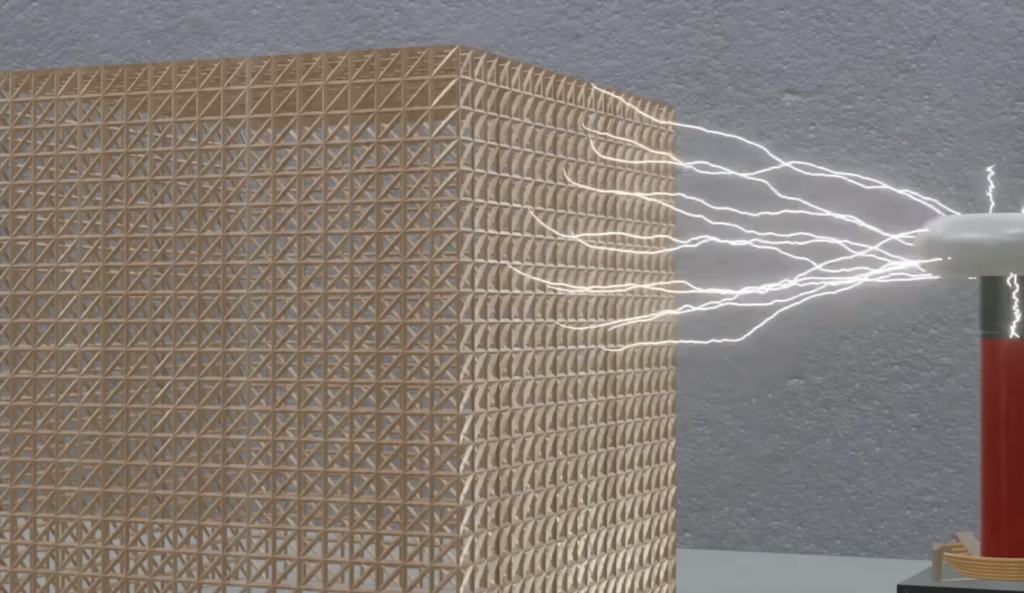
Protecting electronics with electromagnetic shielding, such as Faraday containers, can also reduce the risk of damage from an EMP.
The long-term effects would depend on the size of the attack and how quickly infrastructure could be restored.
Some experts have warned that a massive EMP event could create a humanitarian crisis involving food shortages, disease, and social disruption. Others argue that the worst predictions are exaggerated and that recovery would depend on preparation and response.
Either way, an EMP attack would expose how dependent modern society has become on electricity.
Over time, communities would likely adapt. Farmers, mechanics, engineers, and people with practical skills would become extremely valuable. Local trade networks could replace digital systems, and smaller communities might become centers of survival and rebuilding.

A complete recovery could take years and cost enormous amounts of money.
The modern world was built on electricity, communication, and technology. An EMP attack would not simply turn off the lights. It would challenge almost every system that keeps daily life functioning.
The greatest danger would not only be the initial blackout, but the struggle to rebuild a society without the technology people have depended on for generations.