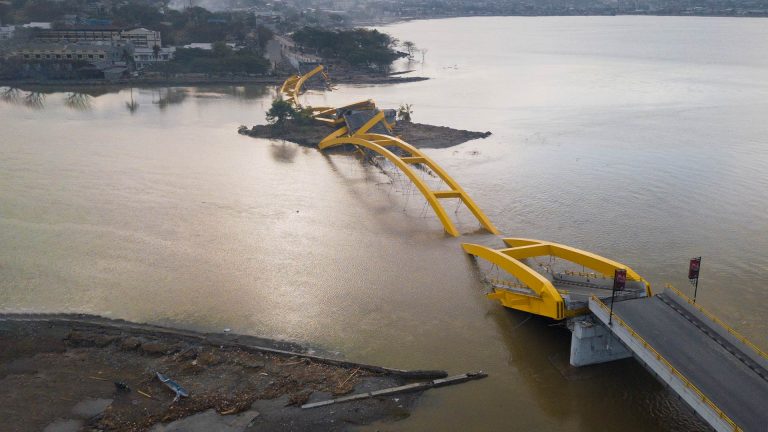
You are sitting in traffic in the middle of a massive bridge when suddenly everything starts shaking. At first, it feels like a normal vibration from passing vehicles. Then you hear a loud cracking sound beneath your car.
The road ahead begins splitting apart. Cars disappear into a huge gap as sections of the bridge collapse into the water below. In a matter of seconds, the bridge that carried millions of vehicles is falling apart, and you have almost no time to react.
Bridge collapses are rare, but when they happen, they can be devastating. Across the United States, there are hundreds of thousands of bridges, and many of them are decades old. Years of heavy traffic, weather, and aging materials can slowly weaken these structures until they become dangerous.
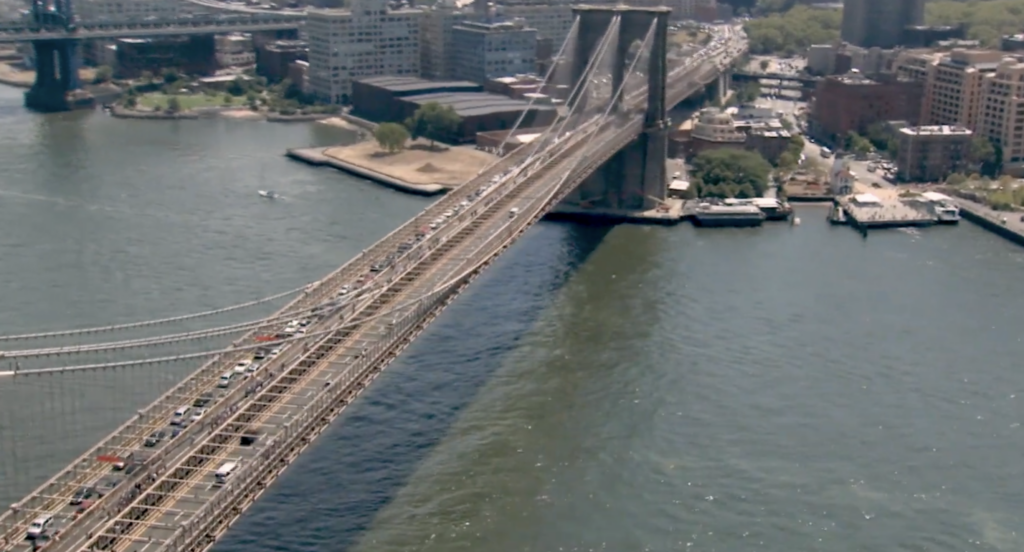
One of the most shocking examples happened when the Interstate 35W bridge in Minneapolis suddenly collapsed into the Mississippi River. Vehicles and passengers fell several stories as the structure broke apart. Although many people survived, several lives were lost.
So what should you do if you are trapped during a bridge collapse? The first thing you should do is keep your seatbelt fastened.
Your instinct might tell you to remove it immediately, but that could make the situation worse. During a sudden fall, the seatbelt can protect you from hitting your head against the inside of the vehicle or nearby objects. Staying conscious is critical because you may need to escape or call for help.
If your vehicle lands in water, your next priority is getting out quickly.
Roll down your windows before the vehicle becomes submerged. Water pressure can make doors almost impossible to open once the car is underwater. Open windows provide the fastest escape route.
If the windows will not open, you may need to break them. Side windows are usually easier to break than the windshield, and hitting the edges of the glass gives you a better chance of creating an opening.
Another important survival step happens before a collapse even begins: pay attention to warning signs.
Many bridge failures are caused by years of deterioration. Cracks, unusual noises, damaged surfaces, or strange movements can indicate that a bridge may have serious problems.
Every day, millions of vehicles cross bridges that require repairs. The weight from constant traffic adds stress to these structures, and sometimes the final vehicle crossing a bridge could be the one that pushes it beyond its limit.
If you notice signs of danger before entering a bridge, the safest choice is not to cross it.
But if the bridge begins collapsing while you are already on it, do not try to speed away. A collapsing section of road can break apart faster than you can drive, causing your vehicle to fall with the structure.
Instead, focus on survival after the impact.
If your car remains intact, use everything available to attract attention. Your vehicle horn can create a loud signal that helps rescuers locate you. Even if the battery eventually dies, those extra moments of sound could make a difference.
If you are injured, avoid unnecessary movement and wait for rescue teams whenever possible. Panic can make a dangerous situation even worse.
A bridge collapse is terrifying, but surviving one is possible. These events are extremely rare compared to everyday risks, and knowing what to do can greatly improve your chances.
The key is simple: stay calm, protect yourself during the fall, escape quickly if necessary, and make yourself easy to find.
Because when a bridge disappears in seconds, preparation may be the only thing standing between you and disaster.