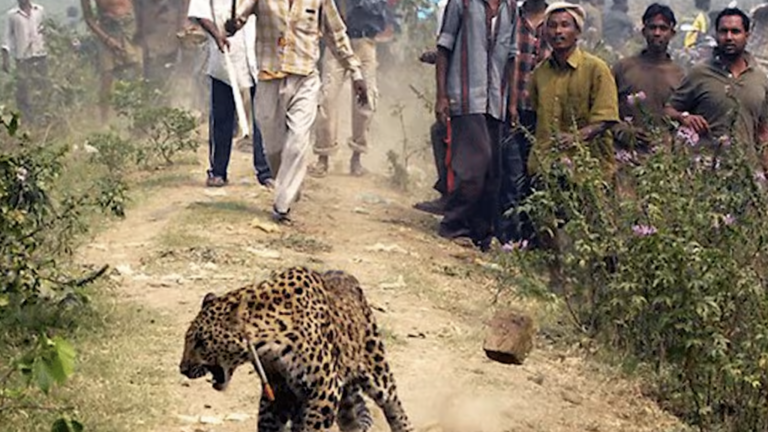
Leopard attacks on humans have a long and disturbing history in India. Between 1875 and 1912, thousands of people were reportedly killed by leopards across the country, with some individual animals becoming infamous for repeatedly targeting human beings.
One of the most notorious was known as the Leopard of the Central Provinces, also called the Devilish Cunning Panther. During the early 1900s, this predator reportedly killed around 150 women and children over a period of roughly two years in an area that is now part of Madhya Pradesh.
The attacks were terrifying because they seemed almost impossible to predict.

The leopard could reportedly kill every two or three days, then disappear into the wilderness and travel more than 30 miles before appearing somewhere else. Villagers living near the forests began to understand that these were not random encounters.
People became afraid to travel alone, particularly near the edges of settlements. Every unexplained disappearance created another wave of panic, while families feared that someone they loved could become the leopard’s next victim.
Eventually, an unknown British hunter heard about the growing number of attacks and decided to investigate. He established a temporary headquarters in a large village and spent approximately three weeks searching for signs of the elusive predator.
But the leopard seemed to have disappeared.
Just as the hunter was preparing to leave, a young boy approached him with devastating news. The boy told him that the leopard had taken his brother.
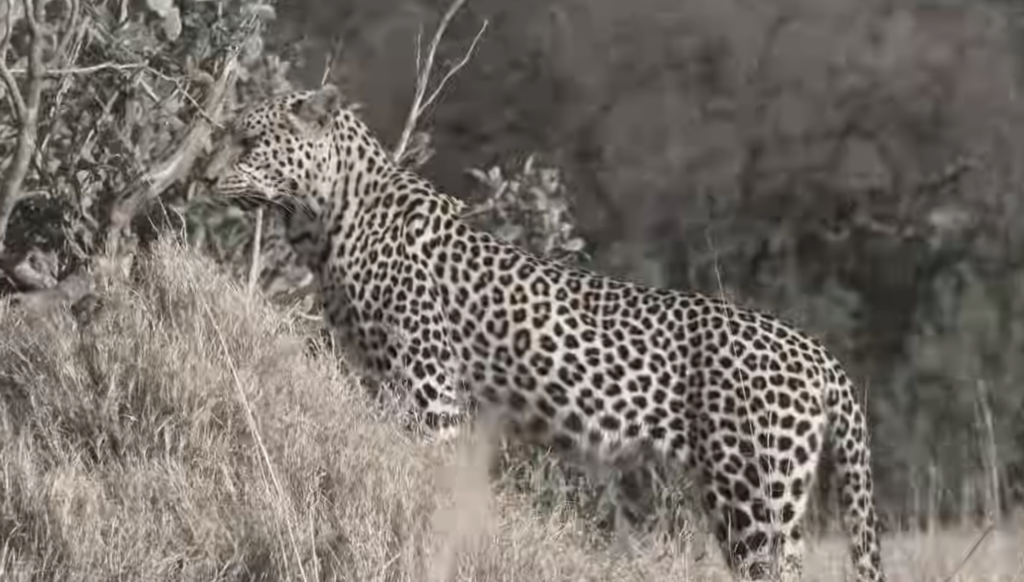
The hunter followed the boy to the location where the body had been left. Believing the leopard might return to feed, he positioned himself in a nearby tree with his weapon and waited.
His prediction proved correct.
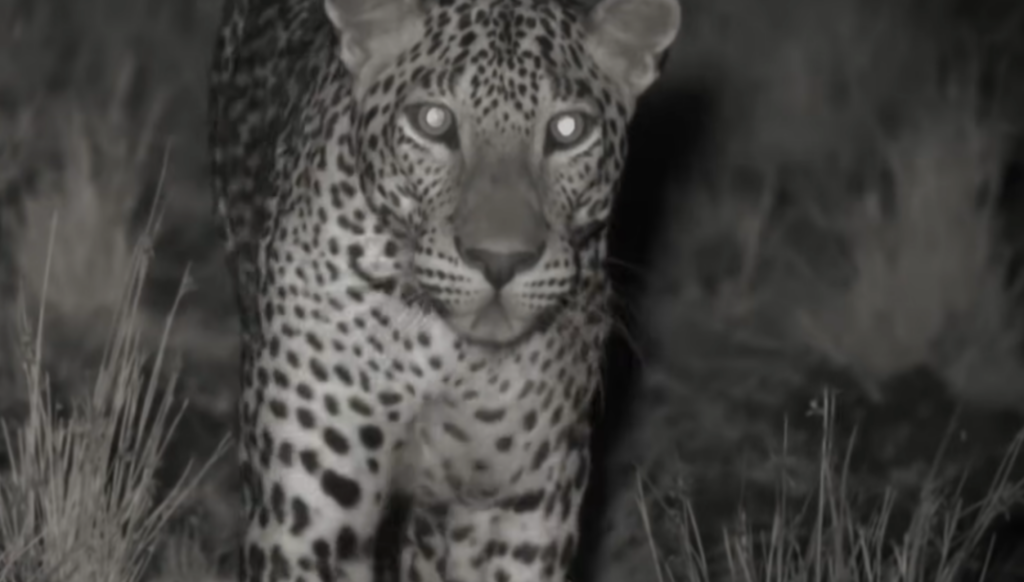
The leopard eventually returned during the darkness, but the hunter could not get a clear shot. The opportunity disappeared, and the animal slipped back into the night before he could stop it.
The hunter later moved to another camp approximately 10 miles away. That night, he reportedly woke to an unsettling sound outside his tent.
The leopard was scratching at the tent.
Before the situation could become even more dangerous, villagers began shouting and making noise. The disturbance frightened the animal away, leaving the hunter once again without a clear opportunity to kill it.
Then, just three days later, another opportunity appeared.
The leopard attacked a farmer’s goats, and this time the hunter managed to shoot it. When the animal was examined, what was believed to be human hair was reportedly discovered inside its stomach.
There was no absolute way to prove that this particular leopard was responsible for every attack, but the villagers believed they had finally killed the predator that had terrorized their communities for years. The Devilish Cunning Panther was gone, and the attacks associated with it finally came to an end.
The story also highlights how dangerous an encounter with a leopard can become. If you encounter one at close range, do not run or turn your back, instead try to appear larger, make yourself look intimidating and create loud noises while slowly giving the animal space.
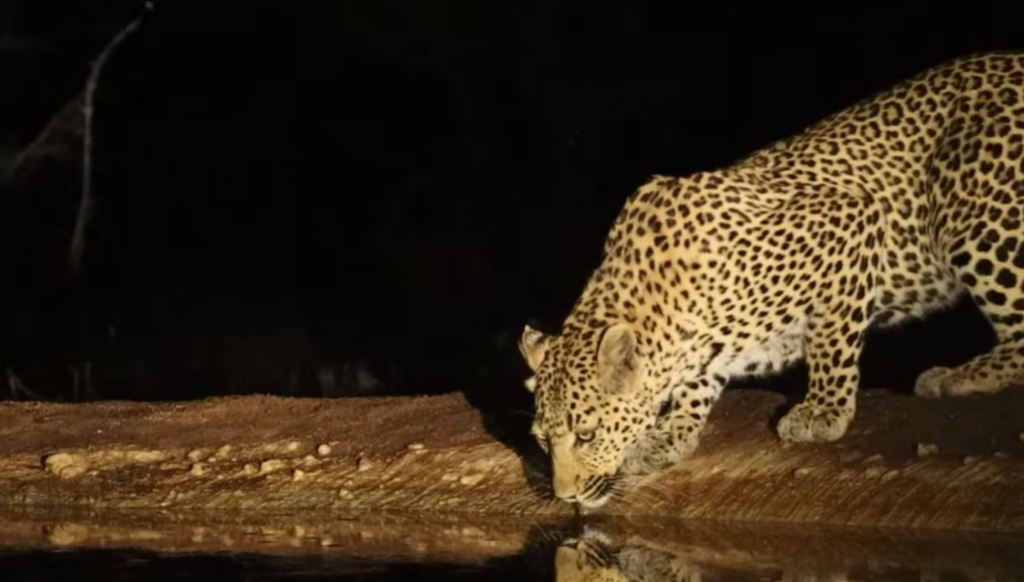
Climbing a tree is also not a reliable escape. Leopards are excellent climbers, and attempting to flee upward could place you directly in the animal’s path.
If a leopard actually attacks, fighting back may be your only option. Protect your head and neck and try to defend yourself as aggressively as possible.
Today, leopard and human conflicts remain a serious issue in parts of India. As human populations expand and natural habitats continue to disappear, encounters between people and these powerful predators can become increasingly difficult to avoid.