Dane Kieser was 16 years old, a high school rugby player from Pretoria, South Africa. Strong, athletic and familiar with lions, he had spent time around animals at the Rhino and Lion Nature Reserve near Krugersdorp, where he was visiting with his mother and girlfriend.
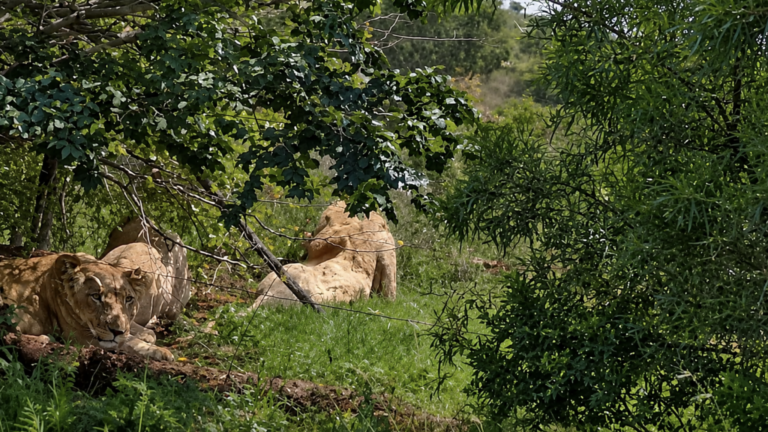
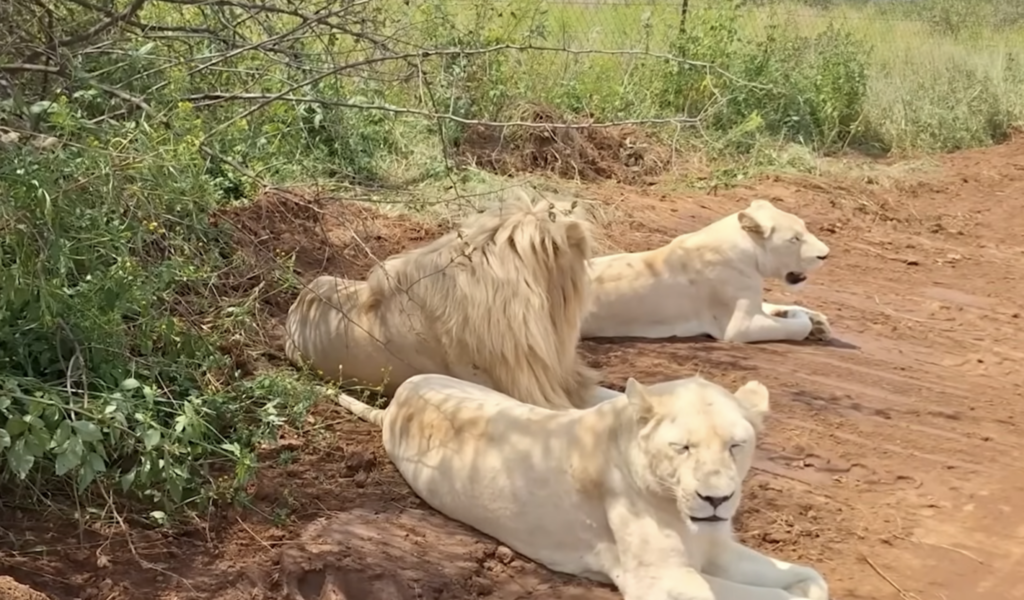
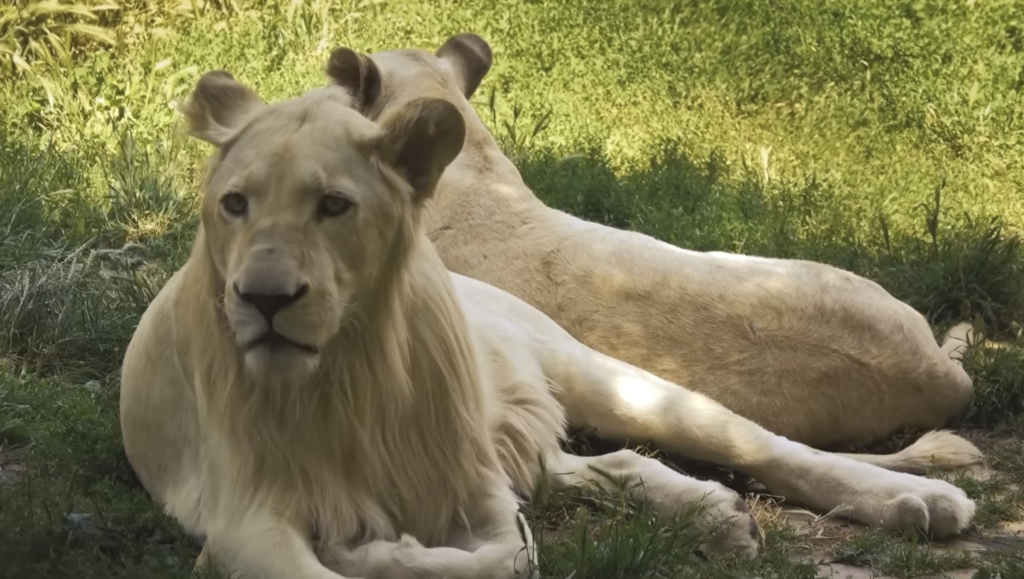
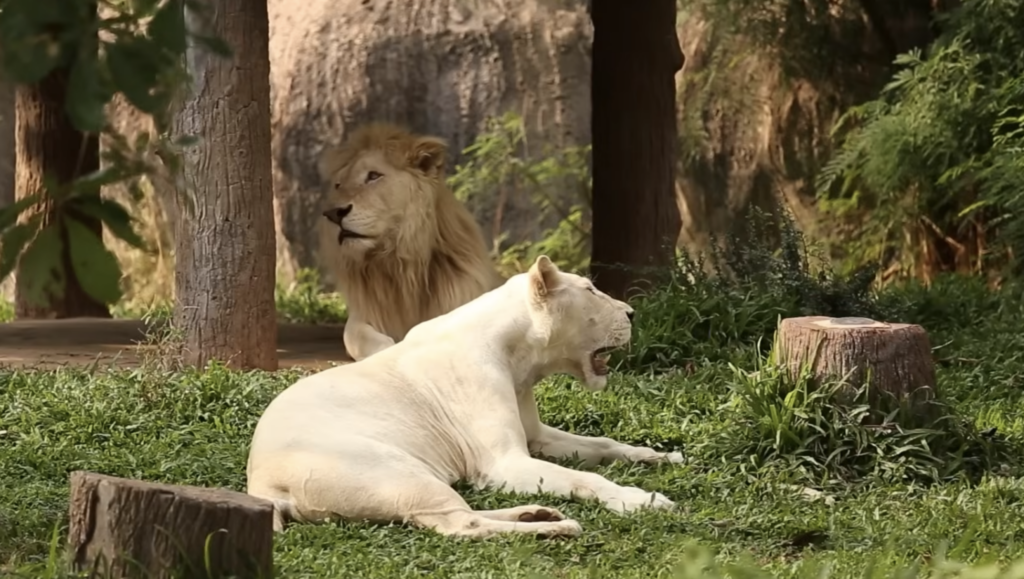
The reserve is home to several species of big cats, including the rare white lion. These lions have a pale coat caused by a recessive genetic trait and are among the most unusual lions in the world.
Dane was not supposed to be inside the white lion enclosure. But while trying to impress his girlfriend, he approached the fence and reached through it to stroke a lioness on the ear.

It was a decision that would nearly cost him his life.
“He screamed. He said, ‘Ma! Help me, ma!’ And then he went very quiet,” Dane’s mother, Louise Kieser, later recalled.
The lioness suddenly grabbed Dane by the foot and refused to let go. Moments later, she caught his arm, and the teenager was pulled beneath the fence and into the enclosure.
Dane was now trapped among the lions. Three of the five animals attacked him, biting and dragging him while his mother watched in horror.
“I cannot tell you how pathetic and small I felt,” Louise said. “There’s three huge lions on top of your child.”
The combined weight of the three lions was more than 1,300 pounds, but their size was not Dane’s only problem. Their teeth and claws were causing severe injuries as he desperately tried to escape.
Dane later described the experience as almost surreal.
“I don’t know if it was the shock or the adrenaline. I couldn’t see any color at all. It was all black and white,” he recalled.
The lions had already been fed earlier that day? No. According to reports surrounding the incident, Dane entered the enclosure before feeding time, making the situation even more dangerous.
As the attack continued, Dane suffered deep wounds across his legs, arms, shoulders and chest. He knew he was in serious danger.
“I knew this thing is going to kill me,” his mother remembered thinking as she watched the attack unfold.
Then, unexpectedly, one of the lions released him. Dane noticed a stick lying beside him. Somehow, he managed to get back on his feet, grab it and move toward the fence.
“Somehow I got up when, at the exact same time, he was off me,” Dane recalled. “I picked it up and started toward the fence.”
When one of the lions approached again, Dane swung the stick and struck it. To his surprise, the lion backed away, giving him the opening he desperately needed.
Dane slowly made his way toward the fence while keeping his attention on the lions. He knew that turning his back or suddenly running could trigger another attack.
Eventually, he reached safety and was rushed to the hospital with extensive injuries. He had deep gashes across his calves, thighs, arms, shoulders and chest, and doctors reportedly found that a significant amount of muscle had been torn from his leg.
Despite the severity of his injuries, Dane survived.
The reserve later confirmed that he had violated safety protocols by approaching the enclosure. The lions were not euthanized following the attack, while the reserve and its staff came under investigation.
Dane’s quick thinking, particularly his decision to use the stick and carefully make his way back toward the fence, may have helped save his life. But the incident also demonstrated just how quickly an encounter with a lion can become deadly.
Wild animals that appear calm around humans can still react unpredictably, especially when their space is invaded. Dane survived an attack that could easily have ended differently, but his experience served as a brutal reminder that a fence separating people from predators is there for a reason.