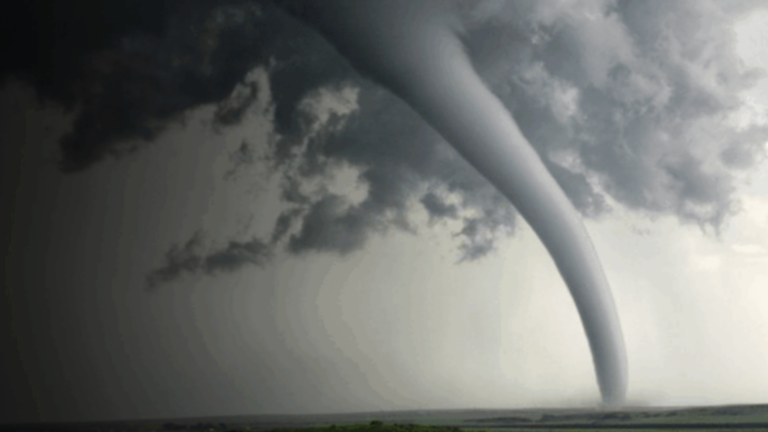
A tornado can turn an ordinary afternoon into a terrifying emergency within minutes. Powerful rotating winds can tear roofs apart, overturn vehicles, snap trees, and scatter dangerous debris across entire neighborhoods. When one approaches, knowing how to react can make a critical difference.
The most powerful tornadoes can produce winds exceeding 480 km/h (300 mph). At those speeds, almost anything can become a deadly projectile. Pieces of buildings, broken glass, branches, and vehicles can be thrown through the air with enormous force.
The wind itself is dangerous, but flying debris causes many of the serious injuries associated with tornadoes. Fortunately, preparation and quick decisions can greatly improve your chances of surviving.

Tornadoes usually develop from severe thunderstorms, so dangerous conditions may provide warning signs. Extremely dark skies, large hail, sudden powerful winds, and a deep roaring sound can indicate that a tornado may be nearby.
Meteorologists use the Enhanced Fujita Scale to classify tornadoes based on the damage they produce. The strongest storms can destroy well constructed buildings and move extremely heavy objects.
The best time to prepare is before severe weather arrives. Keep an emergency kit somewhere that is easy to reach and include drinking water, nonperishable food, flashlights, spare batteries, a first aid kit, a portable charger, and a battery powered radio.
When authorities issue a tornado warning, seek shelter immediately. Do not wait outside to watch the storm approach.
A basement, cellar, or dedicated storm shelter offers excellent protection. If none is available, move to a small interior room on the lowest floor, away from windows and exterior walls. A bathroom, closet, or interior hallway may provide better protection than a large open room.
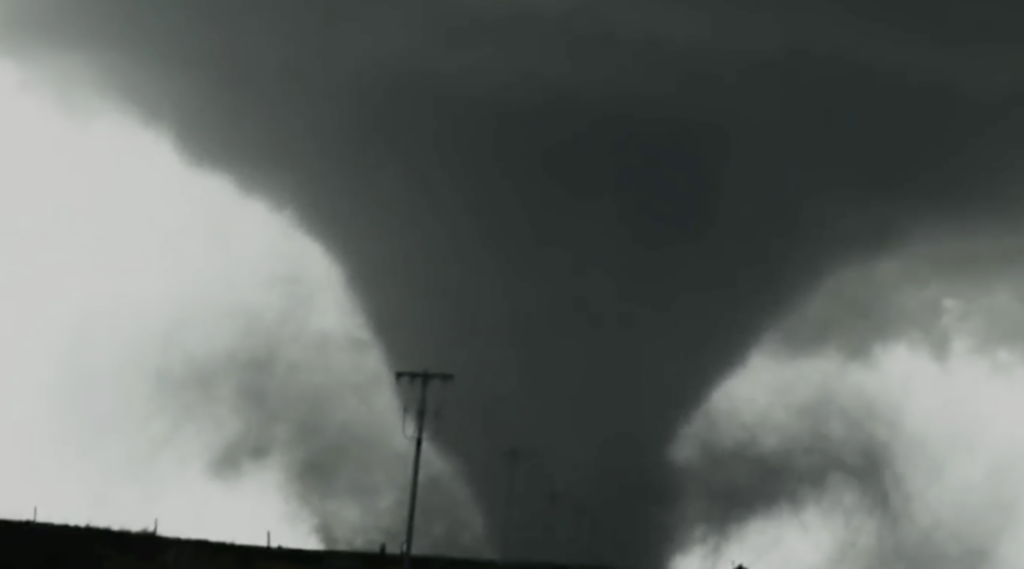
Once inside, get as low as possible and cover your head and neck. Mattresses, blankets, cushions, or sturdy furniture can provide additional protection from flying debris.
Being outside in a vehicle is particularly dangerous. Roads can quickly become blocked by fallen trees, debris, flooding, or damaged power lines.
If you can safely reach a strong building, get inside immediately. Never assume that you can simply outrun a tornado, especially if the storm is changing direction or visibility is poor.
If no building is accessible, pull over safely and keep your seat belt fastened. Stay below the window level and protect your head with your arms, clothing, or a blanket. Never shelter beneath an overpass because these structures provide poor protection from powerful tornado winds and debris.
After the tornado passes, remain cautious. Additional storms may follow, while damaged buildings, broken glass, exposed electrical wires, gas leaks, and unstable structures can create serious hazards.
Wait for official information before leaving your shelter. If people nearby are injured or trapped, contact emergency services and help only when you can do so safely.
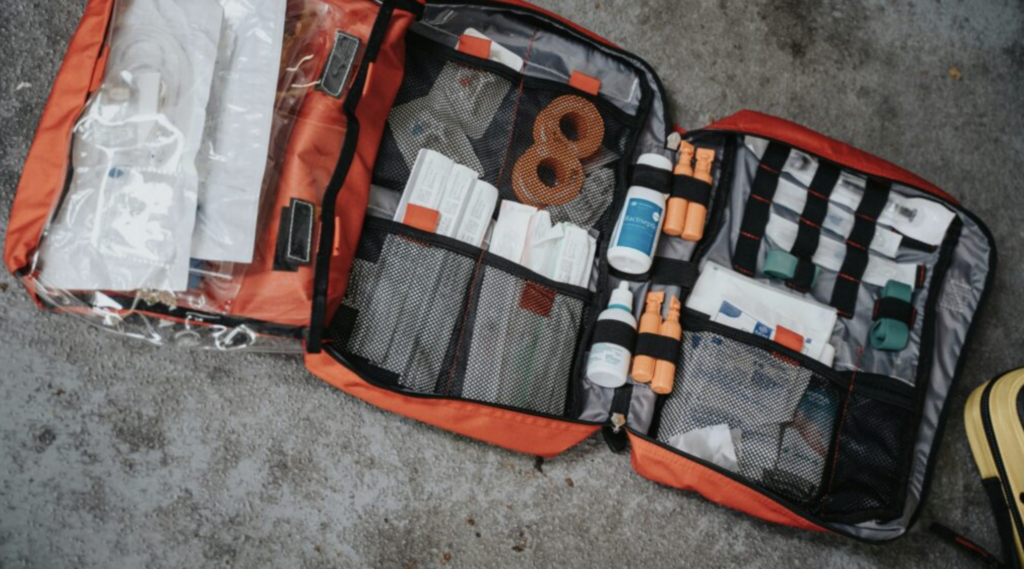
Power and phone networks may also fail after a major tornado. This is why keeping flashlights, batteries, radios, and backup charging equipment in your emergency kit can be extremely valuable.
Tornadoes cannot be stopped, but your actions can influence your chances of surviving one. Recognize severe weather, prepare before the storm arrives, and know where you will take shelter.
When a tornado warning is issued, do not waste precious time. Get inside, stay away from windows, protect your head, and remain sheltered until authorities confirm that the danger has passed.