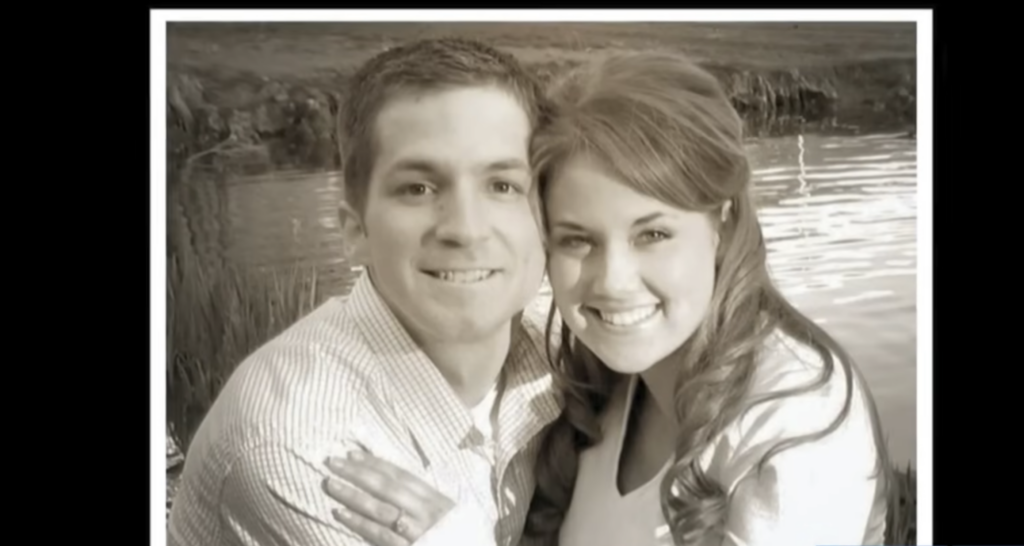
John Edward Jones had every reason to believe he would make it home that night. He was a medical student, a husband, and a father with another child on the way. Caving was also familiar to him because he had explored caves with his family while growing up in Utah.
But on November 24, 2009, John entered a cave he had never explored before. Nutty Putty Cave, located west of Utah Lake, was known for its narrow passages, twisting tunnels, and extremely confined spaces.
At around 8 P.M., John entered the cave with his brother Josh and several friends. They came through an opening roughly 30 inches wide and expected to spend a few hours underground before heading home.

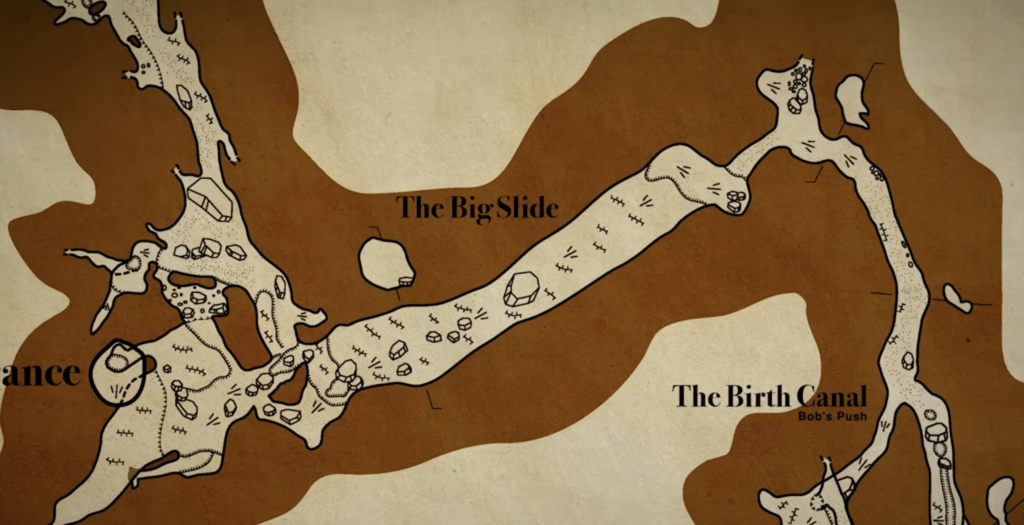
The beginning of the trip seemed harmless. The group explored a larger chamber known as the Big Slide before John and Josh decided to continue farther into the cave.
Their attention turned toward an extremely narrow section known as the Birth Canal. Moving through it required squeezing and crawling through spaces that could make even experienced cavers uncomfortable. Somewhere along the way, John took the wrong route.
Instead of following the correct passage, he moved into another opening that appeared to lead farther into the cave. He entered headfirst, expecting the tunnel to become wider. It never did.
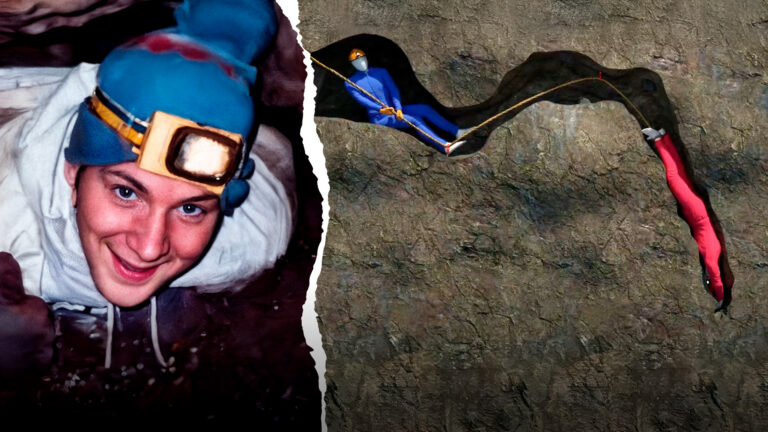
The passage was approximately 18 inches high and only 10 inches wide. John had crawled into a space barely large enough for his body, and once he moved forward, reversing direction became impossible. He was now trapped roughly 700 feet from the cave entrance, positioned upside down with his legs higher than his head.
Being suspended upside down for an extended period places enormous stress on the human body. Blood can accumulate toward the head while the heart struggles to maintain normal circulation, and breathing can become increasingly difficult.
John called for help, and Josh eventually located him with his brother’s legs protruding from the narrow passage. Josh tried to pull him free, but the confined space made the effort nearly impossible. There was no cell service underground, so Josh had to make the difficult journey back to the entrance to contact emergency services.
Rescuers began arriving within hours, but the situation was immediately recognized as extremely serious. John was a large adult man trapped in a passage so narrow that rescuers could barely reach him. As more time passed, the rescue operation grew increasingly complicated. His wife, Emily, arrived at the cave while emergency crews continued searching for a way to remove him.
Rescuers attempted multiple methods. They worked to enlarge sections of the rock and tried using lubrication to reduce friction around John’s body.
Nothing provided a reliable way out.
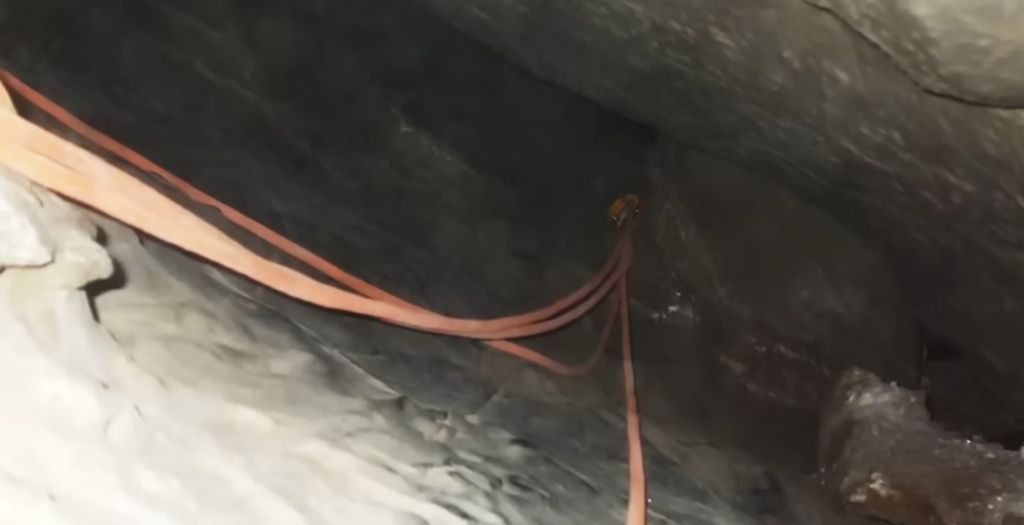
Eventually, a pulley and rope system was constructed in an attempt to pull John backward through the passage. For a short time, the plan appeared to be working. Then the rescue system failed.
An anchor pulled loose from the cave wall, causing the equipment to violently release. A carabiner struck and seriously injured one of the rescuers, while John slipped back into the passage. The setback was devastating. Hours of work had been lost, and John’s physical condition was deteriorating.
His legs had become numb, his breathing was shallow, and he was increasingly exhausted. Rescuers provided him with food and water and gave him a radio so he could communicate with his wife.
Eventually, John began drifting in and out of consciousness. His condition continued to deteriorate as he remained trapped upside down. After more than 24 hours underground, rescuers made one final attempt to communicate with him.
A rescuer called out to John and tried to reassure him that they would get him out. At first, there was no response. Then his feet moved briefly before becoming still.
John had died inside the cave.
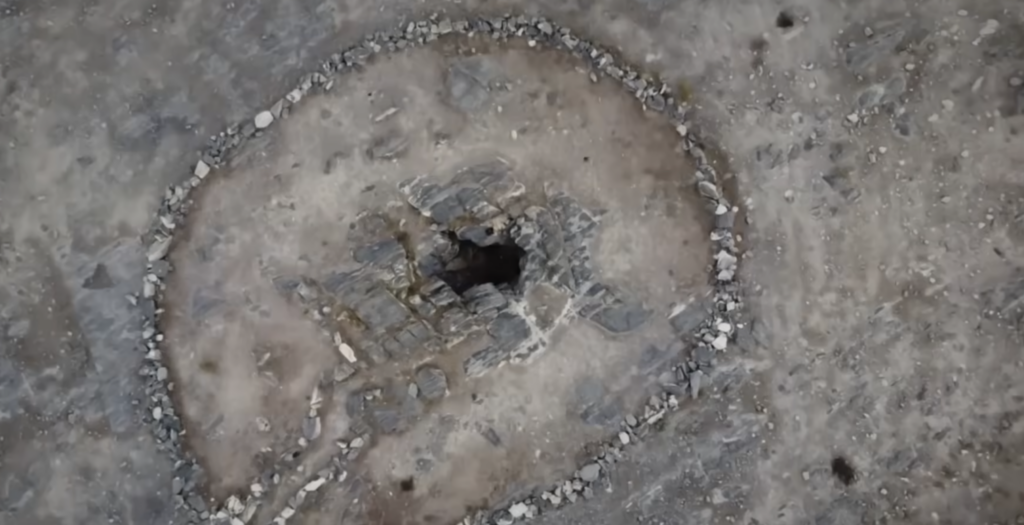
His body could not safely be recovered. The passages were too unstable and dangerous, and another rescue attempt could have cost additional lives. Nutty Putty Cave was eventually closed permanently. Authorities ultimately sealed the location, leaving John’s remains underground.
The tragedy changed the cave forever. A memorial plaque was placed near the entrance, while the site became a haunting reminder of how quickly an apparently manageable adventure can become fatal.
John Jones did not enter Nutty Putty Cave expecting to die. He entered with people he trusted, explored a passage that appeared accessible, and made one decision that placed him somewhere from which he could not escape.
Caving can be an extraordinary way to explore places few people ever see, but underground environments leave very little room for mistakes. Narrow passages, limited communication, darkness, and difficult rescues can turn a simple wrong turn into a situation where even trained professionals may be unable to help.
For John, one narrow opening became the final passage he would ever enter.